Subscribe to newsletter

Get the latest film & TV news from the Nordics, interviews and industry reports. You will also receive information about our events, funded projects and new initiatives.

The Icelandic nominees of the Nordic Council Film Prize talk about the organic process when creating a poetic and humorous film about a family

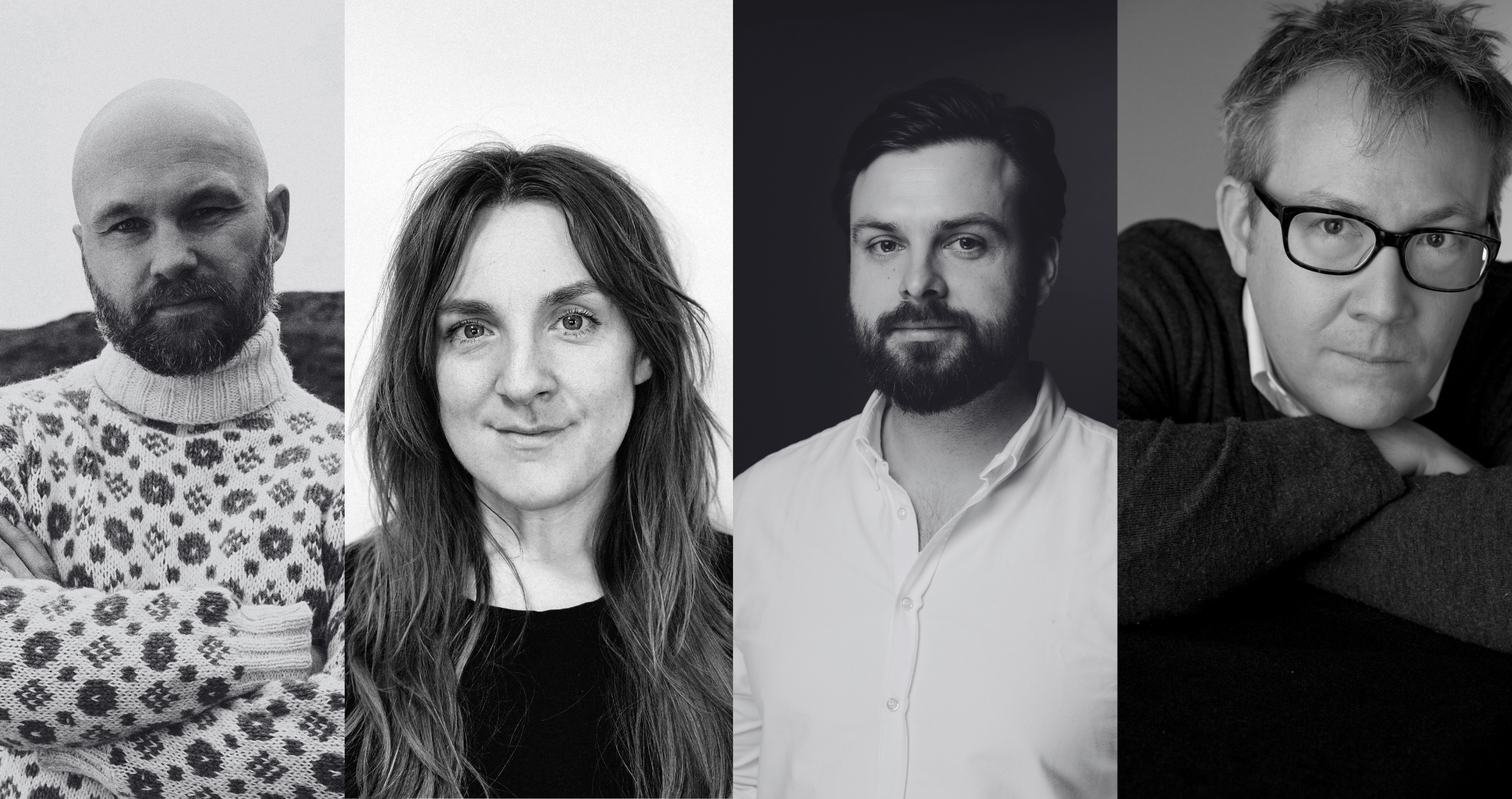
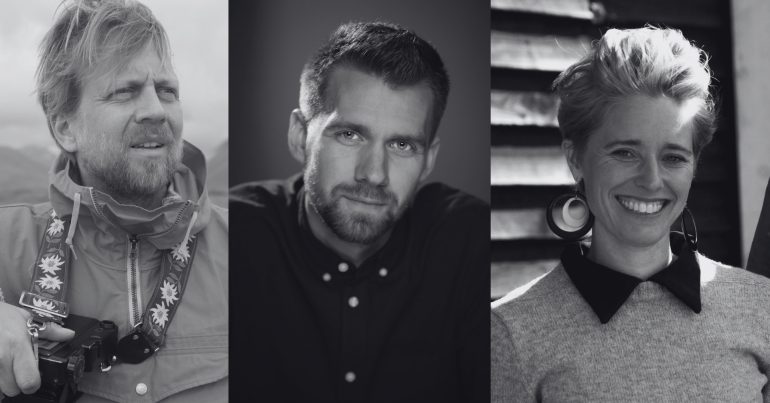
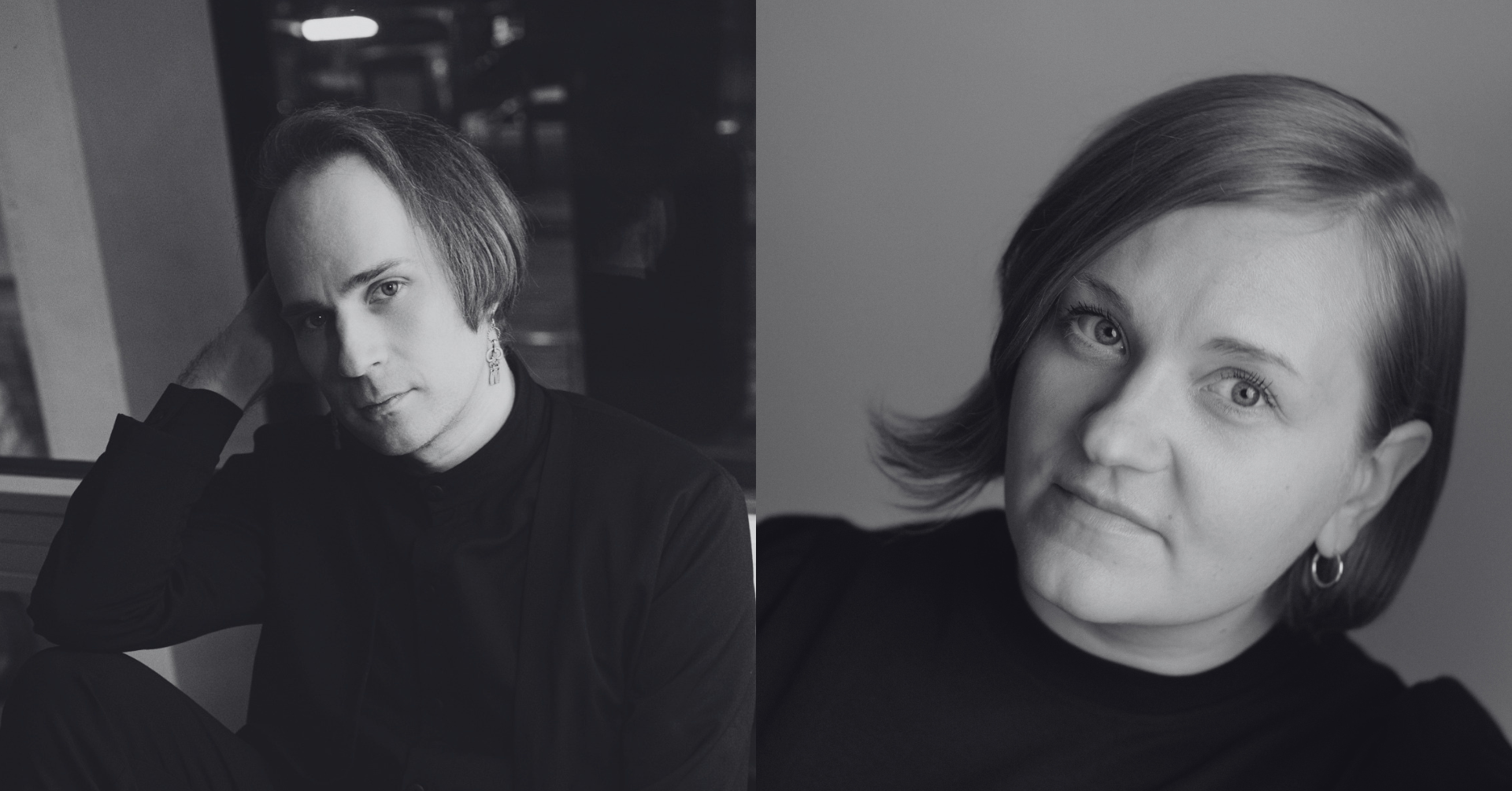
Hlynur Pálmason, Anton Máni Svansson, Katrin Pors / Photo: Hildur Ýr Ómarsdóttir, Lilja Jóns, Snowglobe
×
NEWS

The Icelandic nominees of the Nordic Council Film Prize talk about the organic process when creating a poetic and humorous film about a family

Hlynur Pálmason, Anton Máni Svansson, Katrin Pors / Photo: Hildur Ýr Ómarsdóttir, Lilja Jóns, Snowglobe

“The family needed to feel real, so we could slowly move into the more strange or some kind of magic realism,” says writer-director Hlynur Pálmason. The producers talk about how the film slowly revealed itself during the unusual production timeline.

Icelandic writer-director Hlynur Pálmason, Icelandic producer Anton Máni Svansson and Danish producer Katrin Pors are nominated by the Icelandic jury for the Nordic Council Film Prize 2026 for their feature film The Love That Remains (Ástin sem eftir er).

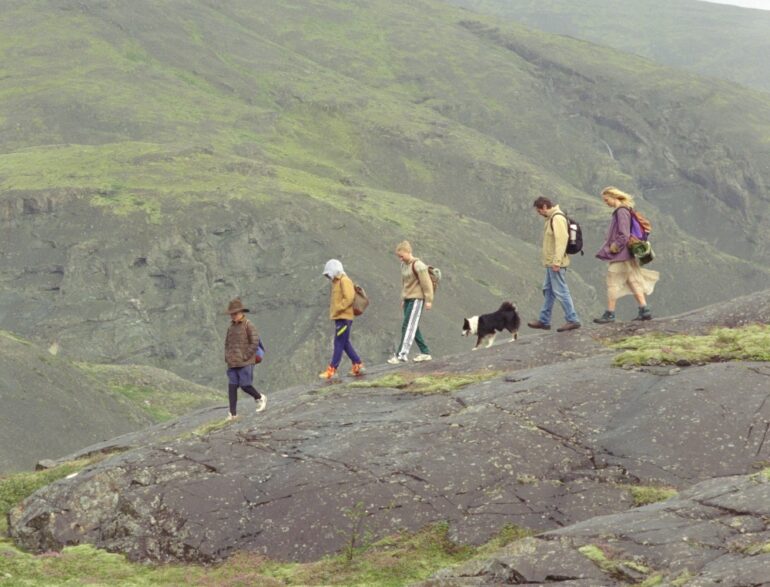
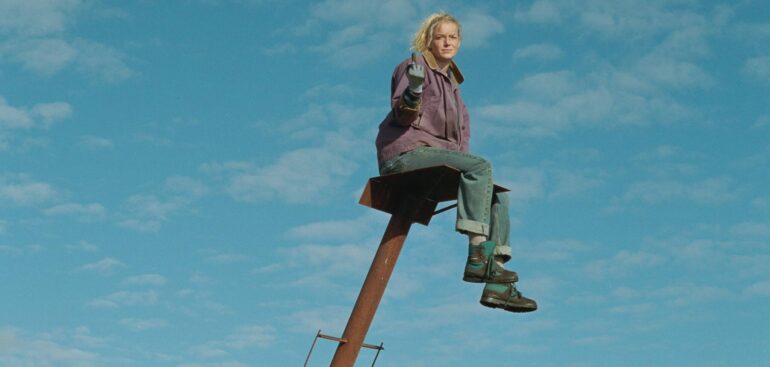
The Love That Remains tenderly captures a year in the life of a family as parents navigate their separation. Through both playful and heartfelt moments, the film portrays the bittersweet essence of faded love and shared memories amid the changing seasons.

Pálmason works in both Iceland and Denmark. All his full length features have been nominated for the Nordic Council Film Prize. His previously nominated films are Winter Brothers (Vinterbrødre), A White, White Day (Hvítur, hvítur dagur) and Godland (Vanskabte land).

Nordisk Film & TV Fond (NFTVF) publishes interviews with all the nominated directors, writers and producers. For all nominees: CLICK HERE.

Writer-director Hlynur Pálmason:

What inspired you to make this film?

I wanted to make a portrait of a fractured family. I was interested in the time we spent together on this earth with the ones we love, and the memories we create together.

How was the story developed from your perspectives as a writer-director-DoP?

The film was being written, filmed, recorded, developed and financed over a period of eight or nine years. It was constantly changing, and my process was very much about reacting to the material I was filming and reshaping the narrative or the script.

At what stage did you know that you (again) will cast your children?

I shot a short film called NEST (Hreidur) during Covid with my three children, and had a great experience working with them. I think I must have decided it unconsciously while making that film with them over a period of two years.

The passage of time feels very present in the film, with the changing seasons marking the family's journey. What is the meaning of time for you here?

Time is very much the medium of cinema. I’m drawn to the narrative and creative use of it, relating to time and the seasons. I think life, the weather and all the things that happen in the process of making a film colours the film and it’s temperament, so I enjoy stretching out time and allowing the films to breathe and the possibility to be affected by time.

How did you and editor Julius Krebs Damsbo finalise the story together? Did much change from your original script?

We have a process that has worked very well for us. We edit for about six months, and work on the film chronologically. We make around three or four cuts, and only watch the whole film 3-4 times before we finish.

It’s a very enjoyable and focused process where we work a lot, but also try to enjoy ourselves, discussing the next projects and the things we are working on in parallel. We are basically collaborating all the time, even though he is working on other projects with different directors.

When, why and how did you know that the film will combine sadness with humour and realism with symbolism?

I knew very early on that the film had a very playful energy, and I wanted the fundament to be very realistic. The family needed to feel real, so we could slowly move into the more strange or some kind of magic realism. I’m very glad that it’s filled with humour and sadness at the same time, I think these two feelings are very human and part of our everyday life. I’m not interested in symbolism, but every time I begin to dive into material, there seems to be natural connections between things, strange impulses and ideas that I get, and I just follow them and the film wherever it wants to go. In some way I’m just hoping that the film will surprise me.

How did the writer-director-DoP in you work together to find the tone of the film?

I think the tone of the film finds itself very early in the process because I write, film and develop in parallel. So the process isn’t really separated, it’s all happening simultaneously.

×
NEWS

The Icelandic nominees of the Nordic Council Film Prize talk about the organic process when creating a poetic and humorous film about a family

The Love That Remains / Photo: VIVID, Snowglobe

Producers Anton Máni Svansson and Katrin Pors:

The nominated producers of the film are Anton Máni Svansson and Katrin Pors. Máni Svansson is the founder of the Reykjavík-based production company STILL VIVID, and he combines artistic ambition with international reach. His productions have garnered more than 230 awards and been premiered at leading festivals including Cannes, Berlin, and Venice. Pors is the founder and producer of the production company Snowglobe. She is also nominated producer of the Danish NCFP nominee Beginnings (Begyndelser).

The producers have collaborated on the answers.

The film has a special production process. When and how did you come in as producers?

We’ve been with Hlynur from the very beginning. Anton has produced all his films since he finished film school, and Katrin joined on his second feature — and from that point on, we’ve produced everything together. So for The Love That Remains, we were involved from the earliest development stage, long before the shoot began. The film’s unique production process grew naturally out of our long‑standing collaboration with Hlynur.

You have both worked with Pálmason before. What made this film special, from your point of view?

Every film with Hlynur has its own world, but The Love That Remains felt especially intimate. It’s rooted in family, memory, and time in a way that demanded patience and trust. Because we’ve worked together for so long, we could support him in taking those risks and letting the film grow slowly and naturally.

What were the biggest challenges and moments of joy when producing this film?

The biggest challenge was the unconventional production timeline. It required flexibility — creatively, financially, and logistically. But the joy came from watching the film slowly reveal itself. There were moments during the shoot and in the edit where we could feel something truly special taking shape.

How would you describe the current state of the film industry in Iceland?

Máni Svansson: The Icelandic film industry is in an exceptionally difficult moment. There’s simply less financing available — both locally and internationally — at the same time as production costs have risen sharply. That combination has made it extremely hard to get projects off the ground, leaving too many people without steady work and putting real pressure on the whole ecosystem.

We’re a strong and capable industry, but strength alone won’t protect us if nothing changes soon. Without timely action, we risk long‑term damage to the ecosystem we’ve spent years building. We’re in positive talks with the ministry, which is encouraging, but those conversations need to turn into concrete measures quickly to prevent further loss of talent and momentum.

Katrin Pors, you are nominated producer on two of the nominated films. How important is Nordic collaboration to you?

Nordic collaboration is key to me, especially in times when both finance and distribution are becoming increasingly complicated and competitive. I truly believe in collaborating across borders— not only as co-producers, but also by producing together, as Anton Máni Svansson and I did on The Love That Remains and on Pálmason’s upcoming feature On Land and Sea (Á landi og sjó), as well as on Dream Come True (En ægte drømmer) by Juho Kuosmanen, which I am producing with the Finnish producer Jussi Rantamäki. These collaborations make the films better, more sustainable, and — thanks to my wonderful producing and co-producing partners across the Nordics (and the rest of the world, of course) — far more enjoyable to produce.

Official trailer:

RELATED POST TO : AWARDS / NORDIC INDUSTRY NEWS / ICELAND