Subscribe to newsletter

Get the latest film & TV news from the Nordics, interviews and industry reports. You will also receive information about our events, funded projects and new initiatives.

Faroese Nordic Council Film Prize nominated director gave his mother a last lead role on stage, and documented it

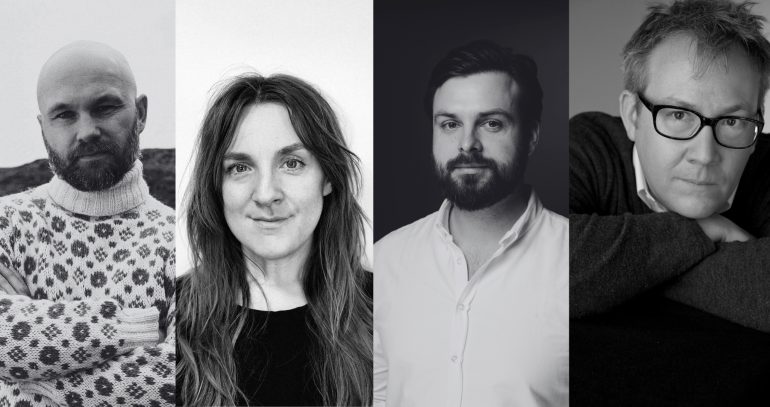
Búi Dam, Durita Sumberg, Jón Hammer, Mark Steele / Photo: Gwenael Hemsdal, Outlier Projects, Trondur Dalsgarð
×
NEWS

Faroese Nordic Council Film Prize nominated director gave his mother a last lead role on stage, and documented it

Búi Dam, Durita Sumberg, Jón Hammer, Mark Steele / Photo: Gwenael Hemsdal, Outlier Projects, Trondur Dalsgarð

His mother’s Alzheimer’s led the Faroese director Búi Dam to move from directing theatre to also directing his first feature length documentary, which is described by one of the producers as a story of love, family, and caring for each other.

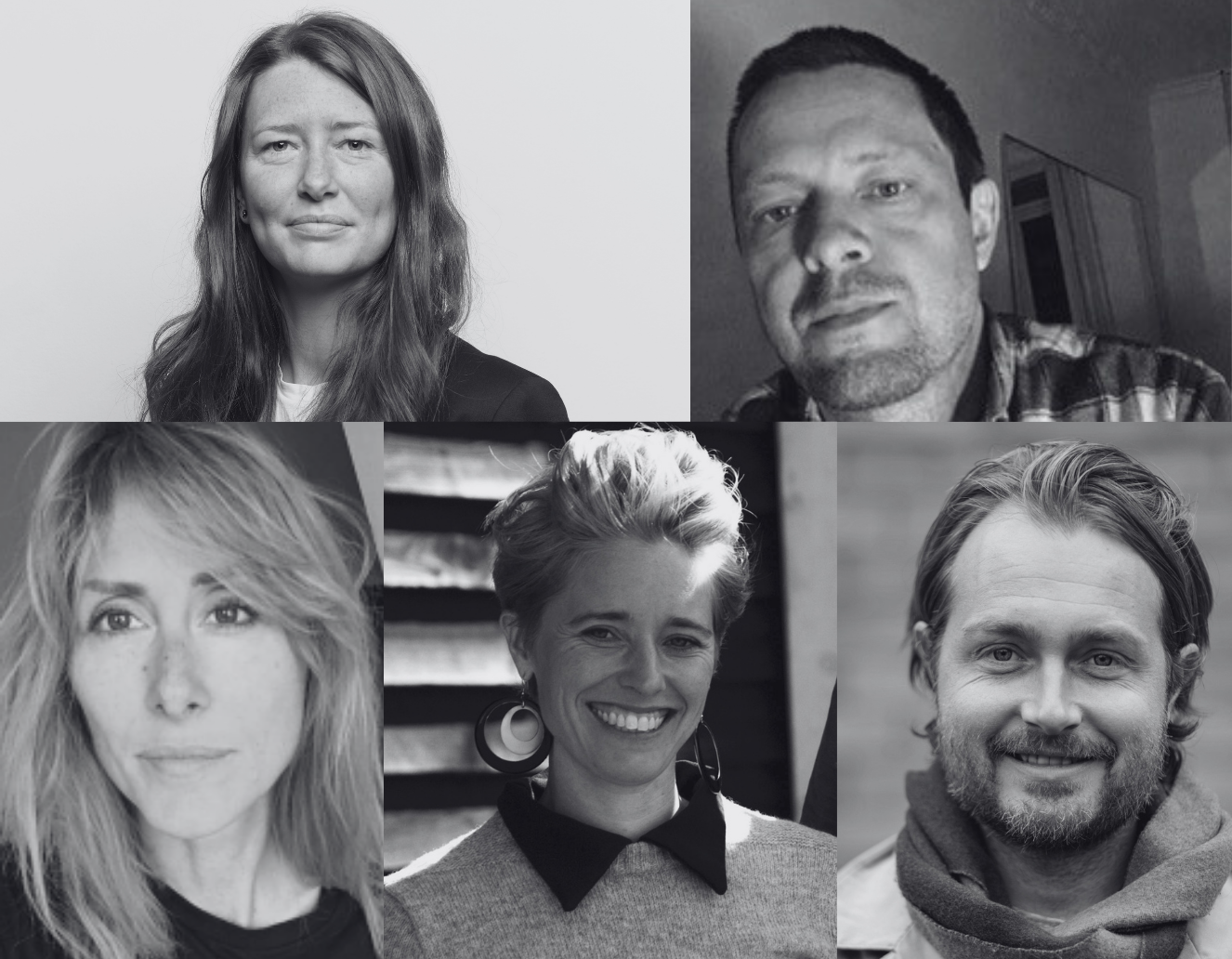
The Faroese director, actor and musician Búi Dam and the Faroese producers Jón Hammer, Durita Sumberg and American producer Mark Steele are nominated by the Faroese jury for the Nordic Council Film Prize 2026 for their documentary Birita.

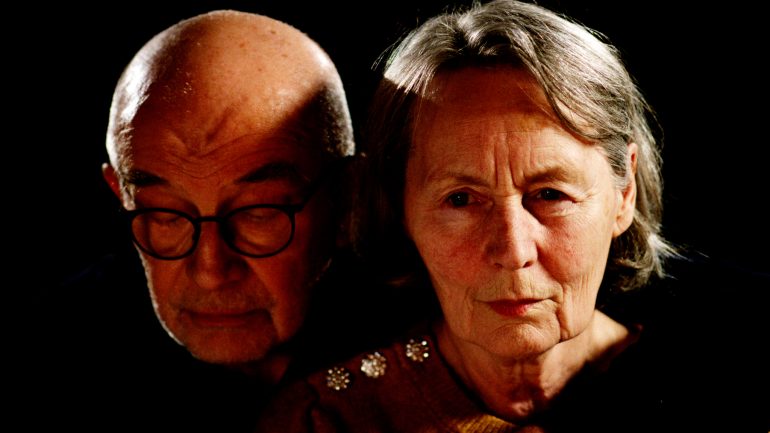
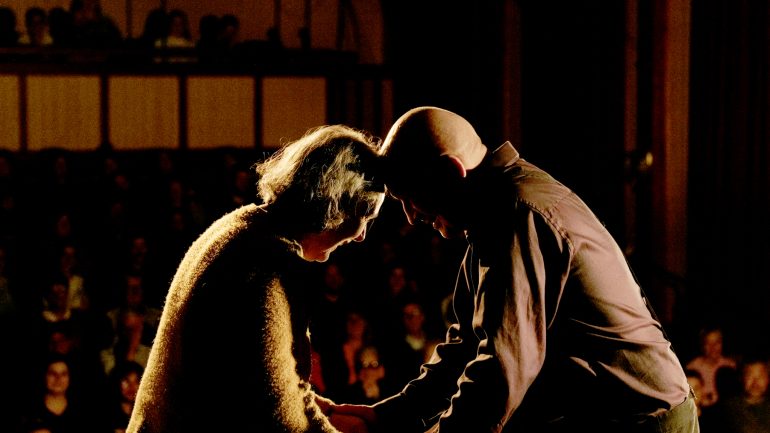
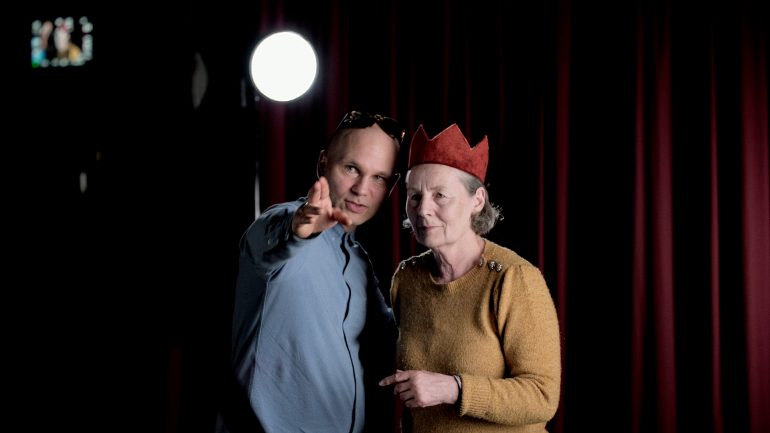
Dam’s personal documentary portrays his mother, Faroese theatre legend Birita Mohr’s last theatre performance, at a time when she is suffering from Alzheimer’s disease. Dam functions simultaneously as the director of the play and the documentary, leading the controversial effort of bringing his mother back to the stage one last time, despite her diagnosis. He believes that she longs to be back on the stage, despite not being able to convey this in words anymore.

The documentary is Dam’s feature length film debut. Previously his work has earned him several awards, including Best Short Film at The Geytin Film Awards (2020), Best Actor at the Winter Film Awards in New York (2021), and the prestigious M.A. Jacobsen Award for his play Castle of Joy (Lykkenborg, 2022). Dam, who has a background in music and theatre, grew up in a Faroese family of artists. He has studied theatre directing at the Danish National School of Performing Arts, acting at the London School of Dramatic Art, and music at FÍH Music School in Iceland.

Nordisk Film & TV Fond (NFTVF) publishes interviews with all the nominated directors, writers and producers. To all nominees: CLICK HERE.

Director Búi Dam:

What inspired you to make this film?

There are, of course, countless things that inspire a director to make a particular film, but the main inspiration came from witnessing how my parents dealt with Alzheimer's disease.

The first thing was my mother's openness about her diagnosis from the very beginning. She carried no shame or anger, and spoke openly with everyone about her condition. This openness helped her — and all of us around her — navigate the different stages of the disease over the 14 years she has lived with it. It also allowed us to share in this journey of transformation, with all its ups and downs.

The second was my father's selfless devotion to my mother's wellbeing. When she was diagnosed with Alzheimer's, he told me that he would put everything else aside and dedicate his life to making sure she felt safe and happy. Over the years, I watched him transform into what I can only describe as a modern-day sage or yogi, mastering the art of selflessness.

I wanted this film to capture their extraordinary love for each other, and their enduring love of life and of theatre.

The documentary explores your mother Birita Mohr’s Alzheimer’s disease through a theatre performance in which she plays the lead in Shakespeare’s King Lear. How did you decide on King Lear?

Theatre has always been our family's way of dealing with life. It has helped us make sense of difficult experiences and given us a space to process them together.

King Lear tells the story of a man who is at the height of his power and status, but gradually loses everything. Lear loses his kingdom, his authority, his family, and eventually his mind. King Lear resonated with us as a family in a deeply personal way. On a metaphorical level, the story mirrors what my mother was going through. She wasn't a king, of course, and her story involved no wars or murders, but there was a similar experience of slowly losing parts of oneself and one's place in the world.

The great tragedies of Shakespeare externalise emotions that, in real life, often remain internal. By performing them on stage, we can experience a kind of catharsis. For our family, and for my mother's colleagues — her theatre family, all of whom took part in King Lear — the production of Shakespeare’s tragedy became a way of facing her illness together. It was a shared process of grief, love, and acceptance with our own queen, so to speak.

There was also another important reason. My mother is an actress — a true thespian. She loves grand drama, and embraces the emotional intensity of the stage. I didn't want her illness to deprive her of the joy, challenge, and exhilaration of rehearsals and performing. On the contrary, I wanted to give her one more opportunity to do what she loves the most — and I wanted that opportunity to be King Lear, the mother of all plays.

×
NEWS

Faroese Nordic Council Film Prize nominated director gave his mother a last lead role on stage, and documented it

Birita / Photo: Franklin Symphor Henriksen, Outlier Projects

What were your mother’s reason to take part in the play and the film?

As I said, my mother loves to perform. Even today, if you visit her in the care home, she'll give you a monologue or a dance in her own way. She's always on stage.

From the day she was diagnosed, she had a complicated relationship with performing. She knew she could no longer meet the standards she had always set for herself as an actress, yet she never lost her longing for the stage. In the early years of the disease, when my father and I were working on a production together, she would often become sad — or even angry — because she wanted so desperately to be part of it, but believed she couldn't.

For years, we talked about finding a theatrical form that could embrace her condition rather than fight against it, but we never quite found the right project. As her memory gradually faded, however, her longing to perform only became stronger. Whenever she accompanied my father to the theatre to see a play, or watched a film, she would instinctively join in — reciting the lines, acting along, becoming part of the performance. It became increasingly clear that she still deeply needed to be on stage. We then decided to stage a play with her in the lead role.

Of course, we had our doubts. Because of the progression of her Alzheimer's, she was no longer able to give fully informed consent in the conventional sense. She would become excited when we talked about the play, only to forget the conversation moments later. It presented us with a genuine ethical dilemma.

My father and I felt certain that her desire to perform was real, but understandably not everyone shared that certainty. In the end, there was only one honest way to find out: We gathered the theatre company and began rehearsing. We had one simple rule. If at any point she said: "No, I don't want to do this," we would stop immediately. She never once said no. Instead, she flourished. The moment she stepped back into the rehearsal room, she seemed completely at home. Being on stage awakened something fundamental in her. We realised that this wasn't something we were asking her to do — it was where she belonged. She showed us, far more clearly than words ever could, why she wanted to be part of the project.

The same was true of the camera. There's a moment in the film where she's dancing directly in front of it. That isn't someone being observed. It's the pure joy of a performer doing what she has always loved.

Your father is present in both the play and the documentary, supporting your mother. What was his reaction to you wanting to do the documentary?

In the beginning, he was sceptical. They had built a life together, and he wanted to protect that life— and, of course, my mother. But, as I said, my mother was very open about her condition from day one. She wanted to change the way society treats people with Alzheimer's. In a speech she gave in the early stages of the disease, she said: "Yes, I forget, but I'm still here, and I want to participate." Besides being an actress, she had always been an activist. My father understood and respected that. Eventually, he came to the conclusion that making a film with my mother was the right thing to do. It was what she would have wanted, even though she could no longer express it in words.

How did you experience moving from directing theatre to directing a documentary, and how did these two roles blend in this documentary?

As an educated jazz musician, I've played concerts and recorded albums. Moving from directing theatre to directing a documentary felt very much like moving from live performance to recording in the studio. The biggest difference lies in the technical side of the process.

In terms of the material itself, I don't think there's a great difference, even though one is fiction and the other is not. When I approach a play, I treat the text as if it is partly real. When I approach a documentary, I treat it as if it is partly fiction. For me, the boundaries between fiction and reality are always blurred.

Cinematographer Franklin Symphor Henriksen also filmed you in front of the camera. Can you elaborate on this choice and how it affected the documentary?

First of all, I want to say that without Franklin Symphor Henriksen’s cinematic vision and narrative intelligence, it would have been very difficult — if not impossible — to make a film like this. He is one of the finest cinematographers in the Nordic countries, not only because he has such a strong visual eye, but because he knows how to build a scene on set. He understands storytelling on a very deep level.

I also had an excellent assistant director, Anton Petersen, in the theatre, whose support was invaluable.

I felt comfortable being in front of the camera, because I trusted Franklin Symphor Henriksen completely. At first, I was worried about losing control. And, of course, I did lose control to some extent, since I was also directing the play at the same time. But when I saw the first dailies, I was able to let go and place my full trust in the cinematographer.

In the end, a film like this is shaped to a great extent by the cinematographer and of course the editor. Franklin Symphor Henriksen and Ricardo Acosta were essential collaborators in bringing Birita to life. And of course my hero, jazz guitarist Bill Frisell, who composed and played the music in the film.

Producers Jón Hammer, Durita Sumberg, and Mark Steele:

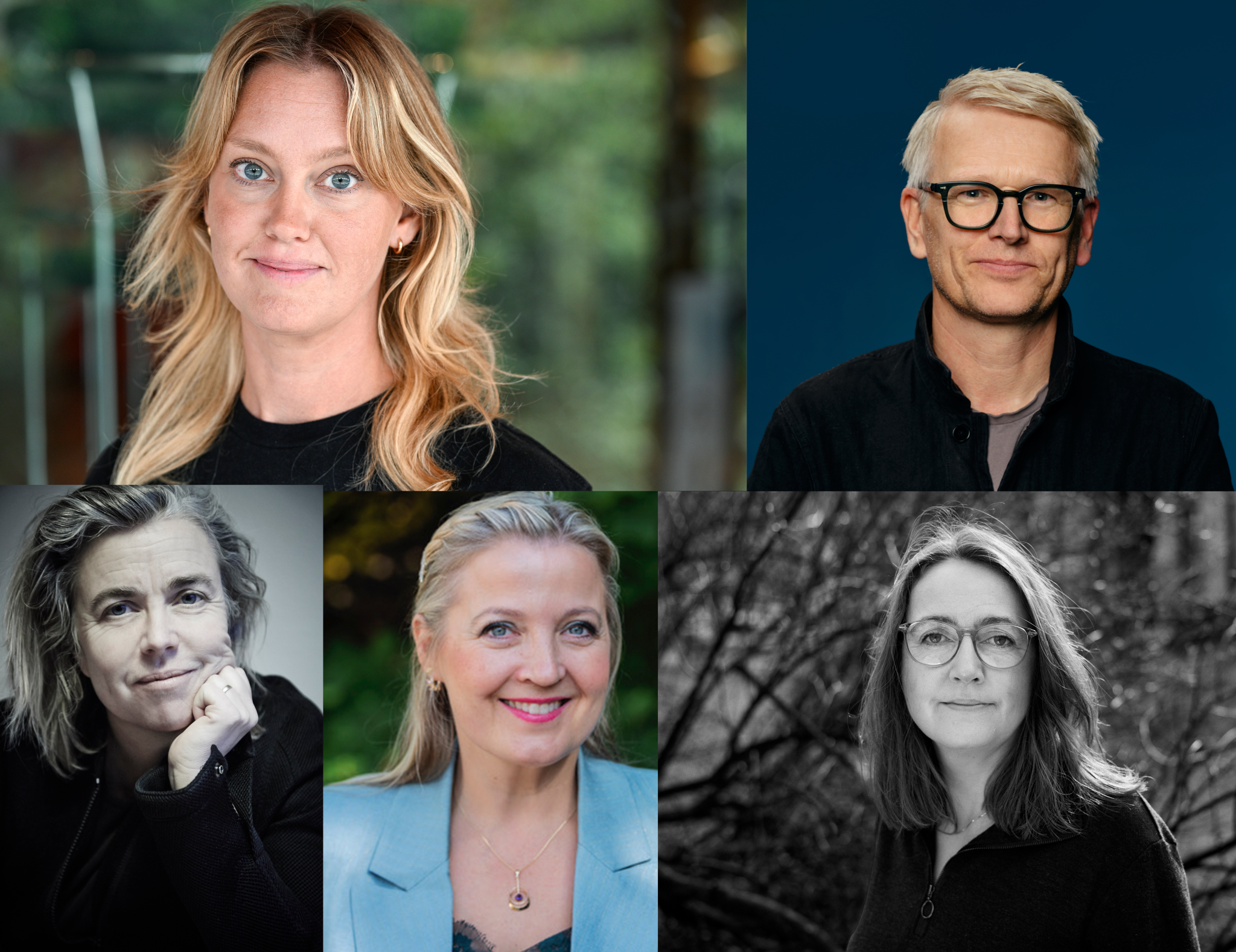
The documentary’s three nominated producers are Jón Hammer, Durita Sumberg, and Mark Steele. In 2017 Hammer founded the Faroese production company Kykmyndir, later becoming Outlier Projects. He produced the first-ever Faroese TV series Trom (2022), and the 2025 winner of the Nordic Council Film Prize The Last Paradise on Earth (Seinasta paradís á jørð). The winning film was the first Faroese nomination. This documentary is Faroese producer Sumberg’s first feature as a producer. She has vast experience in Nordic and international performing arts collaborations and as Production Manager in several different theatre projects. Steele is an American industry catalyst who has led many projects from production to sales, distribution and delivery.

What were your individual reasons for making this film happen?

Hammer: I like documentaries that feel personal. When Búi approached me, I saw a strong, personal story, which also commented on how we treat people in our society. It could also prove to be controversial and spark some debate, which also drew me to it.

Sumberg: I was fortunate enough to produce the stage production of King Lear in 2023, followed by the film Birita. Búi and I have worked together many times before, so it didn’t take much convincing for me to join the project.

I haven’t personally experienced Alzheimer’s in my own family, but I could clearly see how deeply this project resonated with people and with Faroese society as a whole. There was one particular moment in the process when I became completely certain that this was a film I wanted to help make and stand behind.

It happened during a script reading of King Lear in pre-production. Throughout the three-hour reading, I found myself observing Birita, Egi and Búi. I watched how deeply Birita became immersed in the story of King Lear, while Egi and Búi’s love for their wife and mother was so much present. At that moment, I realised this was more than a story about Alzheimer’s — it was a powerful and beautiful story about family, love, and what it means to care for one another.

Steele: I met Búi (our director) over Zoom, and felt an immediate connection as a creative partner, filmmaking partner, in addition to feeling right away that this project was so unique and potentially wonderful that I needed to be a part of it in any capacity. The fact that the story takes place on the Faroe Islands was a wonderful bonus.

×
NEWS

Faroese Nordic Council Film Prize nominated director gave his mother a last lead role on stage, and documented it

Birita / Photo: Franklin Symphor Henriksen, Outlier Projects

How did you collaborate as producers?

Hammer: Durita and Búi were already working together in theatre, and Durita was producing the play King Lear. It made complete sense for us to collaborate once we realised the film was going to revolve mainly around the challenges surrounding the setting up of the play.

Mark came on board to help with the post-production in particular. We were looking for an experienced editor with an outside perspective to handle the delicate and vast material. Búi met Mark, who recommended Ricardo, who ended up editing the film, and Mark became more and more involved in the creative process as well as the finalising, and the three of us early on agreed on a three producers credit.

Sumberg: Birita is my first feature film as a producer, so it has been an incredibly rewarding experience to work alongside two experienced and talented producers, Mark and Jón.

We had a strong collaboration, and divided the responsibilities in a way that played to each of our strengths. I learned a great deal from their experience, while also contributing my own perspective throughout the production.

Steele: Our producing team had a fantastic range of experience as professionals and filmmakers that allowed us to share responsibilities and run solo when required. We worked together on budgets, schedules, strategy, and creativity.

What were the biggest challenges and moments of joy when producing this film based on such a private family story?

Hammer: As with most documentaries, the timeline can be challenging. We needed to shoot most of our material while Búi was preparing and directing the play, which meant we needed two extra photographers and assistant directors working, as Búi became a character in the story and wasn’t able to direct those scenes. The editing and cutting down of the vast material was also a challenge in itself, as we had around 170 hours of material in a language the editor didn’t speak.

I think the joy came from the reactions to the film. Búi screened it to some of the characters in the film and his immediate family, and their reaction finally gave some relief that we had made the right choice by making this film. That was an important moment.

Sumberg: The biggest challenge was undoubtedly shaping the enormous amount of raw footage into a coherent story. We had to let go of many scenes we loved, but I think Búi and Ricardo did a remarkable job of finding the film’s emotional core and creating the right narrative.

The greatest joy for me was getting to know Birita herself. I was one of the few people involved in the project who had never known her before her diagnosis. I was completely blown away by how much she contributed to the theatre production and by her remarkable artistic presence.

That experience also challenged my own assumptions about people living with Alzheimer’s. I realised I had unconscious prejudices, and Birita completely changed my perspective. She taught me so much.

How would you describe the current state of the film industry in the Faroe Islands?

Hammer: Growing. It is still small and driven by passion, which leads to a lot of very interesting projects. Unfortunately the local financial support is still quite low, which we hope will change. The market is too small for any local commercial investments, and internationally we are not recognised as an independent country, which limits our access to international funds in Europe. Yet somehow, we are producing more and more films each year. So I think the future is looking bright.

Sumberg: I see the Faroese film industry as being in an exciting stage of development, with enormous potential for growth. We have a community of incredibly passionate filmmakers who are not simply hoping for a stronger film industry — they are actively building one.

There is a shared ambition to create a sustainable and professional industry that can support both today's filmmakers and the generations that will follow. I believe we are only at the beginning of that journey, and it is an exciting time to be part of it.

Official trailer:

RELATED POST TO : AWARDS / NORDIC INDUSTRY NEWS / FAROE ISLANDS