Written by: Geoffrey Macnab
20.08.26
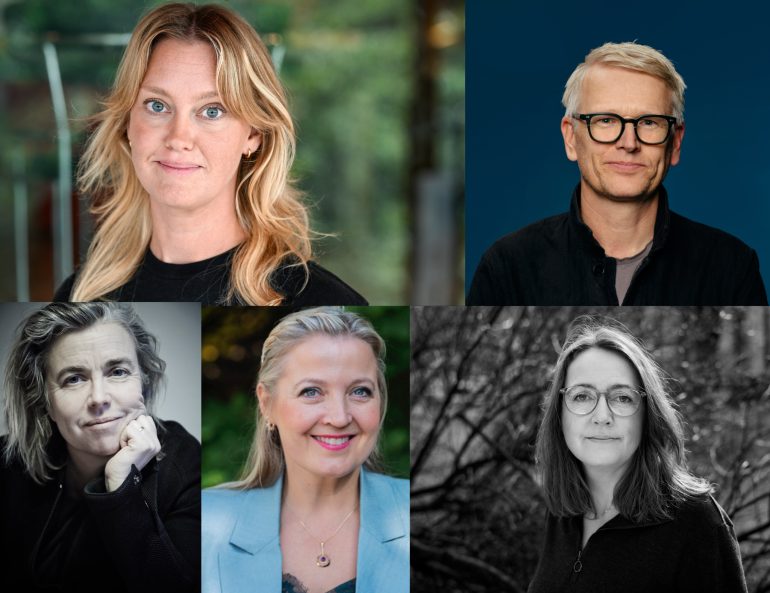
In an increasingly challenging theatrical market, the producers behind the Nordics' biggest documentary hits reveal how local stories, audience engagement and word of mouth still deliver box-office success.
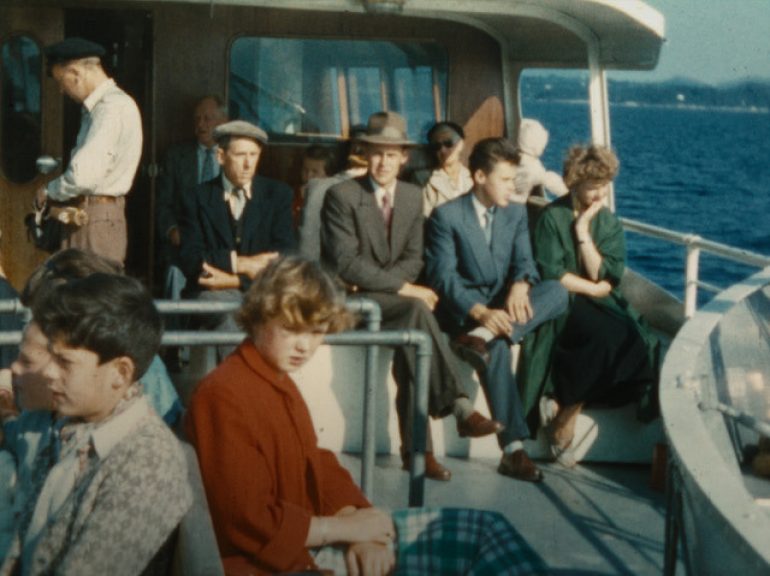
Producer Elisabeth Kleppe of Bergen-based outfit Aldeles AS achieved 111,000 Norwegian admissions for her recent documentary, Seasiders (Havfolket). The archive-based film, which chronicles lives in Norwegian coastal communities over the last 100 years, was released by Norsk Film Distribution in January.
Reflecting on its success, Kleppe’s advice is clear: think local.
“It has been a strategy of ours to focus more on our home audience than the international audience,” she says. “There are so many films out there, and the competition is so hard, the amount of weeks and months you spend trying to get international sales doesn’t add up to me - and we are quite blessed in Norway to have a good funding system, even though we also complain!”
Another tactic is to play on growing audience nostalgia.
“People are nostalgic. Even young people are nostalgic,” she notes. “There’s also the fact that people could see their city, their streets. That’s when we understood there is a desire for something that feels close to home, because the world is increasingly scary and dark and we can’t control any of it. There is a need to go back to a time when life was maybe simpler, in a way.”
The documentary combined contemporary music from electronica artists from the coast with really old archive material. This heightened the appeal to younger audiences.
The filmmakers also made sure that all of broadcaster NRK’s regional offices were aware of the film - and realised that it contained materials from their own areas.
“What I always say is that it is simply hard work.” Ingvil Giske of Oslo-based outfit Medieoperatørene warns there are no shortcuts to theatrical success, but one important question she always asks is: Who is this film for? That’s why test screenings are so important.
Her company did bumper business in Norwegian cinemas, 130,000 admissions, with The Remarkable Life of Ibelin (Ibelin, 2024), and also closed a deal with Netflix after the Sundance premiere.
“We work really, really hard on reaching out to potential viewers,” Giske says. “It’s important to take every potential viewer seriously. We talk to them, reply to emails, and make sure to be present at as many screenings as we can, showing our appreciation of them liking the film. That will help us with word of mouth. If they feel they know us, they will be more willing to talk about the film and recommend it to others.”
The Remarkable Life of Ibelin is about a young Norwegian man who died at the age of 25 from muscular dystrophy. After his death, his parents discovered that he had a huge social network in the online gaming world. The filmmakers targeted the gaming community, organisations for people with disabilities, and parents with children who seem hooked on gaming.
“Start early” is the mantra of Mantaray Film’s CEO Stina Gardell. Nine months before NonStop Entertainment released her documentary My Life As Siw (Filmen om Siw), Gardell made a Christmas trailer. This showed the film’s protagonist Siw Malmkvist, sitting in a cinema theatre, telling spectators about the documentary that would soon be coming their way.
“You need to start working with the distributor at the same time as you start to shoot the film,” Gardell insists. “You have to understand first of all who you want to reach. It’s not just having a trailer or having a poster. It is starting to talk to people and to interest the audience.”
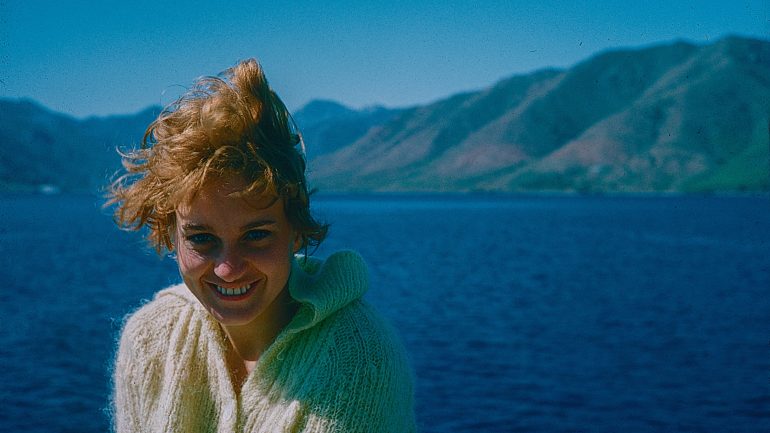
In the film, one of Sweden’s most popular singers and actresses, now in her late 80s, looks back at her life using her own archive material.
“I wanted to make a film about someone who could give us hope back,” Gardell adds of a project which lifted spirits at a time of widespread angst about everything from war to climate change. “Siw is almost 90 years old, and she still says ‘yes’. She is a very positive person.”
Another key strategy was to take the film on tour to smaller towns with Siw in attendance, ready to talk and sing. The filmmakers cut 150 limited edition vinyl records to distribute to cinema owners who had the best box office results.
Nexiko’s CEO Lars Beckung acknowledges that neither he nor filmmakers (and TV hosts) Filip Hammar and Fredrik Wikingsson expected their film The Last Journey (Den sista resan) to turn into a runaway box office hit. “And neither did the industry. We had very little outside financing. We had to finance the film ourselves.”
This was a feel-good family film in which Filip and Fredrik take Filip’s father Lars on a road trip to France - and which racked up an astonishing 410,000 admissions in Sweden alone.
“It obviously helped in terms of marketing that Filip and Fredrik are known in Sweden, but to be honest, people are on the fence about them. Some people love them, and some people think they are loud and annoying,” the producer states. He adds, though, that the duo “are really great at Q&As”, and that having them tour extensively with the film “activated local media and the cinema owners”.
Beckung believes that “word of mouth” (“people commenting and recommending on Facebook”) was crucial to the film’s success, and that attracting older audiences (who had shied away from cinema-going since Covid) was also key.
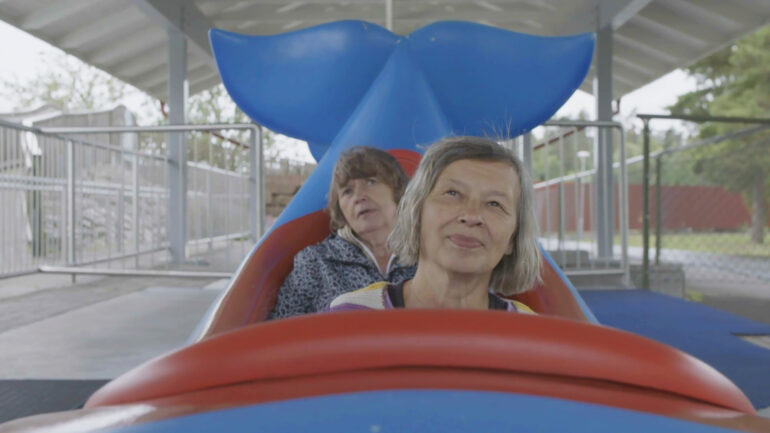
Ina Holmqvist of Stockholm-based Ballad Film admits it was “a great surprise to us” how well their eerie family story The Gullspång Miracle (Miraklet i Gullspång) did internationally (with deals clinched in the US, UK and Japan) - but she still has clear ideas about how the success was achieved.
“The main idea for us is to find films that are both ‘bread and circus’. What we look for is something intriguing that sparks your curiosity and draws you in – that is the circus. And once you’re in, you get the bread as well: the substance, the knowledge or a new perspective you take away from the film.”
The Gullspång Miracle is about two sisters encountering a woman who looks uncannily like their other sibling who committed suicide many years before. The astonishing story, and the way it unfolds on screen, meant that audiences couldn’t stop talking about the film. “Word of mouth is the strongest advertisement, always,” the producer says.
“Some companies are brilliant at impact campaigns, where you can identify a specific audience around a particular subject. Our approach is a little different. If you want to reach a broad audience, you have to believe in the film as a cinematic experience from the very first step to the last, and treat it as something that belongs in cinemas.”
“Sometimes it works, sometimes it doesn’t, but we always put in the same effort. Our goal is to have people experience the film together on a big screen. There is something magical about that, and ultimately this is why we make films.”
They also did some “branding”, coming up with “Gullspång Miracle” T-shirts, which quickly sold out.
The producers agree there is “no secret sauce” for enticing Nordic audiences back to cinemas for documentaries, but they all insist that, as Gardell puts it, “success is still possible if you have a vision”.
RELATED POST TO :
PRODUCTION
/
NORDIC INDUSTRY NEWS
/
NORDICS