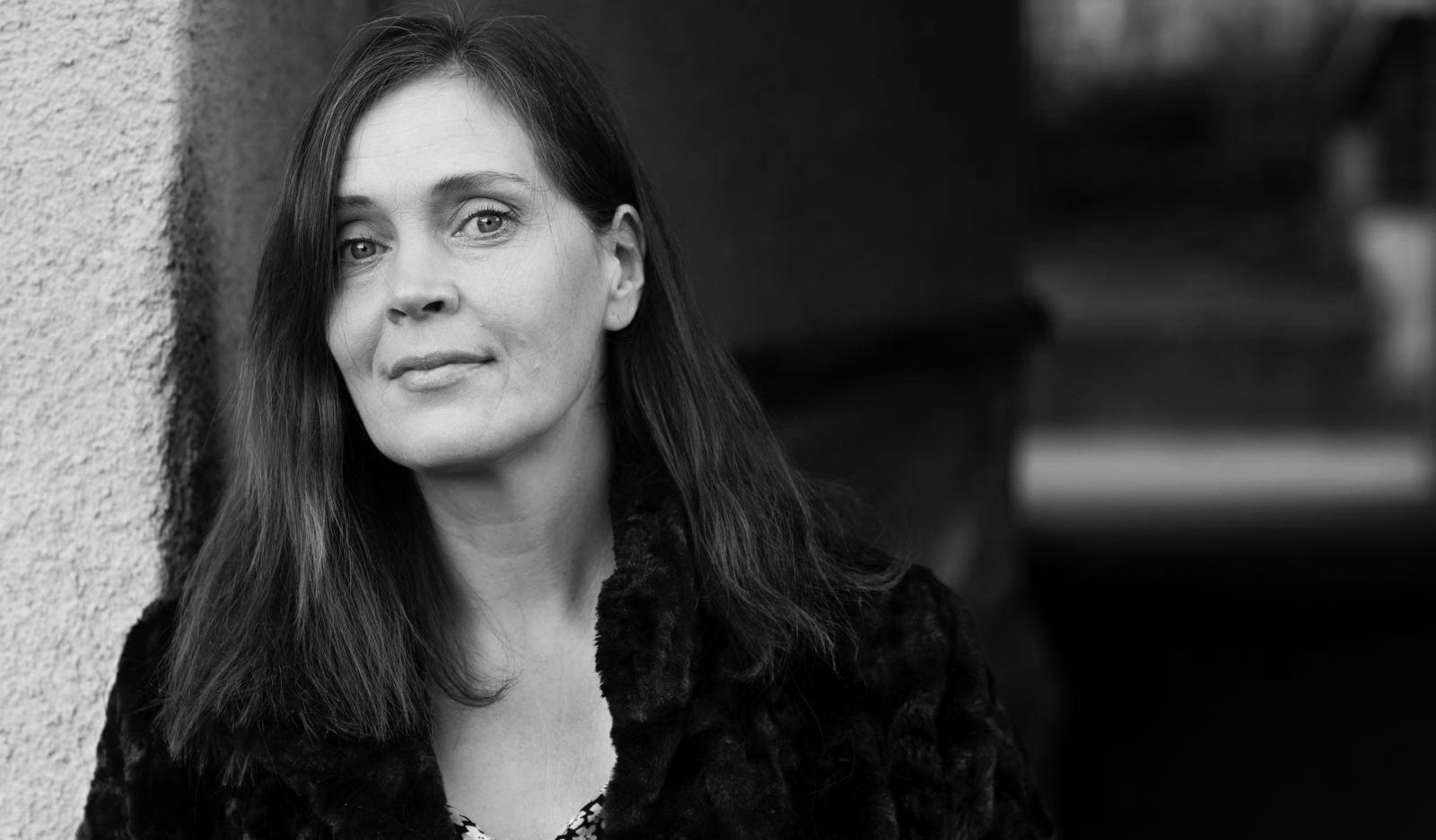
Ólafsdóttir and Magnúsdóttir discuss fictionalising Vigdís Finnbogadóttir’s path to becoming the world’s first democratically elected head of state, and the lesser-known challenges they uncovered in their research.

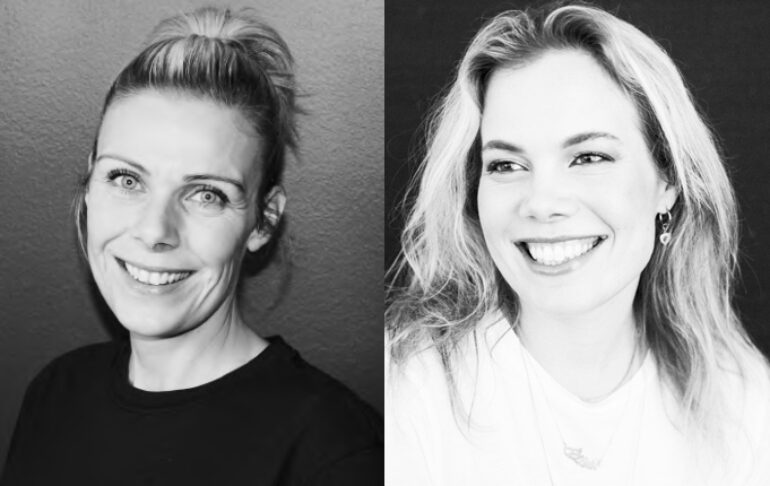
Icelandic writers Ágústa M. Ólafsdóttir and Björg Magnúsdóttir are nominated for the Nordic Series Script Award 2026 for the four-episode drama series Vigdis (Vigdís).

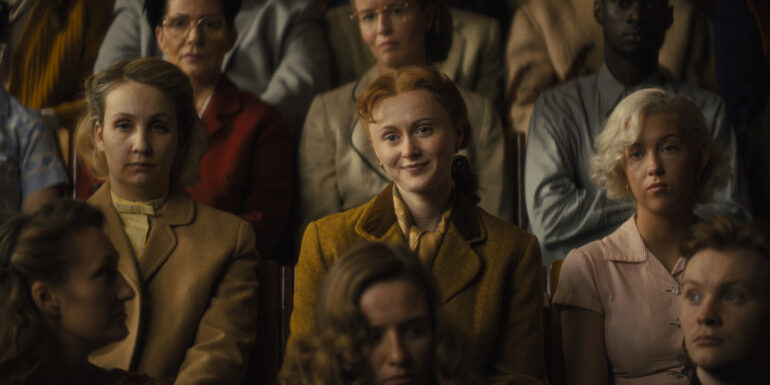
The series is based on the true story of Iceland’s first female president Vigdís Finnbogadóttir who made history as the first democratically elected female head of state worldwide. The series follows Finnbogadóttir from when she was a teenager in the late 1940s until she decides to run for president against three male candidates in 1980.

Vigdis premiered on RÚV on January 1, 2025, and is produced by Vesturport and Vigdís Production.

The two main writers Ágústa M. Ólafsdóttir and Björg Magnúsdóttir have collaborated on the answers.

Why and how did you become a scriptwriter?

Ágústa: As a producer, I’m involved in all phases of project development, and have always been particularly interested in the writer’s room. Storytelling has always fascinated me, and from an early age, I would read scripts from my favourite films and TV shows to learn more about screenwriting. I’ve also had the chance to review original screenplays, and I truly enjoy contributing to the creative process. When we decided to make a series about Vigdís, I'd already begun researching her life. The co-producer Rakel Garðarsdóttir's encouragement made it clear this was the perfect moment and an ideal project for me. When Björg Magnúsdóttir agreed to collaborate, I felt confident that together we could tell this extraordinary story.

Björg: I’ve always had a pull towards writing, I can’t really explain it better. Early on I wrote only diaries - loads of them actually - and made up stories for the family. Later came columns and opinion pieces in the media, where I’ve worked good chunks of my adult life. Then I wrote and published two books in Iceland and Germany, before I found myself as a scriptwriter. Becoming a scriptwriter just meant being sweaty and biting my nails for a few years. So many trials, errors and difficult conversations before my first series, The Minister (Raðherrann), was screened. Then the ball started rolling.

What motivated you to write a four-part series about Vigdís Finnbogadóttir?

Ágústa: When Rakel Garðarsdóttir, who produces the series with me, got the idea of making a series about Vigdís Finnbogadóttir, and pitched it to me, I immediately agreed.

Vigdís stands as a symbol of unity in Iceland, and is truly a living legend. She was elected when I was a toddler, and inspired girls like me to believe anything was possible. I was instantly curious about her life before the presidency, and wanted to understand how this woman managed to break through barriers in a male-dominated society.

Through her biography and our extensive research, we discovered that her journey was even more inspiring than expected. There are the remarkable big events, but also the very personal hardships that few people knew about. The rejection after her divorce, the incredible grief when losing a brother at a young age, all the miscarriages and her fight to adopt a child as a single mother, her years as a theatre director, the presidential campaign, and her battle with cancer. Vigdís always faces her adversities head on, never gives up, and ends up a winner.

Her story proves that nothing is impossible, and that one person can have a great impact. That is what motivated me to tell this unique story.

Björg: Vigdís is the biggest role model in Iceland for women, and she has pushed many of us to do things we did not dream of doing. Growing up with a female president meant being deeply proud of her and this heritage. When Rakel and Ágústa invited me to drink coffee and talk about Vigdís and a possible TV production - I heard nothing more - just said YES.

Can you describe your research and working process around creating the series?

Ágústa: Páll Valsson's biography of Vigdís was an invaluable resource that guided us in selecting key moments from her life to emphasise. We also conducted interviews with her close friends, family members, and colleagues. Our research included reviewing all available news articles about her, as well as examining radio shows and television footage. To better understand the eras depicted in the story, we explored additional biographies and articles and listened to period-specific radio programmes. We dedicated significant time to conducting in-depth research, as well as carefully crafting the treatment. We wanted the script to capture Vigdís’ unique personality and deliver the story in a manner she deserves.

Having Vigdís’ support throughout this project has been invaluable, and our relationship with her has deepened over the years. We waited until we had completed most of our research before we interviewed her, allowing us to ask detailed questions about aspects we found particularly compelling. Vigdís was remarkably generous with both her time and encouragement, and it was a true privilege to have those unforgettable moments with her.

Björg: Reading everything about Vigdís there was on the Internet, biographies of people during the time in focus, reading and rereading Vigdís’ biography, and interviewing people close to her. Vigdís was also so generous, and spoke to us on numerous occasions, and answered almost every question we had. When we had as many answers about Vigdís’ life as we could, we started writing and killing our darlings.

Fictionalising a living person in a complex way might be hard, especially if you admire the person. How did you deal with her possible flaws?

That’s true, and we talked about it quite a bit. We wanted to stay true to Vigdís’ personality, her open-mindedness and respectful attitude towards others, so we tried to highlight her complexities and personal struggles. Vigdís repeatedly overcame insecurity and self-doubt, showing remarkable courage throughout her story. She represents a quiet form of rebellion, steadily working towards her goals with determination and poise. I think the world would benefit from having more leaders like her.

Once the script was greenlit, did your work continue, for example during casting, filming and editing?

Once the script was approved, we submitted it, after which Björg transitioned to her next significant commitment - welcoming her first child. I, Ágústa, became the showrunner for the series, and kept improving the script at every stage, from pre-production through filming and editing. Collaborating closely with the directors and the artistic team, I ensured the script was adapted to align with their creative vision, while accommodating our limited budget.

Björg Magnúsdóttir is an experienced scriptwriter, and Ágústa Ólafsdóttir debuts as a series writer, while also producing the series. How did the two of you work together as head writers?

Ágústa: Working with Björg on this project was truly a remarkable experience. I’m so grateful for her willingness to collaborate with me, even though my writing background is limited. Björg is a very open and welcoming person, and always has a smile on her face. She is a very hard worker, and is always willing to go the extra mile, which I appreciate. We were committed to doing our very best to tell this story well. I couldn’t have imagined a better writing partner and mentor.

We dedicated significant time to research and script development, collaboratively drafting the initial versions. We then assigned episode sections, and wrote independently before reconvening to integrate our work and evaluate our progress. We received valuable feedback from Rakel Garðarsdóttir, Nína Dögg Filippusdóttir, the lead actress, and Björn Hlynur, one of the directors, which contributed to improving the overall quality of the scripts. In the development process we also had another writer with us, Jana María Guðmundsdóttir, who participated in the treatment and writing of the first episode.

The collaboration was both productive and rewarding, and I value that period with Björg greatly. Working with Vigdís’ inspiring and impactful story significantly influenced our dedication and enthusiasm throughout the project.

Björg: Ágústa is both a unique person and a very unique writing partner. She is always happy and ready to work, but has a very high standard for the outcome, which I like. Fierce, loyal, creative, and a true friend. She is resourceful, has a good imagination, and for me a ying to my yang. A better writing partner is hard to find.

Did the collaboration with the directors Björn Hlynur Haraldsson and Tinna Hrafnsdóttir shape the final script, and how?

Björn Hlynur was involved from the outset, providing valuable feedback on all drafts. His contributions were instrumental in refining the final script. When the scripts were approved and pre-production began, Tinna Hrafnsdóttir joined the team, making significant contributions to both the group and the project itself. Throughout the production, I worked closely with Tinna and Björn to further improve the script. Given our limited budget, we also adjusted the script to suit new locations and circumstances. Each director brought a distinct vision to their episodes, which is clearly reflected in the final footage.

What was your biggest learning from the project?

Ágústa: What stood out most was discovering Vigdís’ remarkable courage. Her story is so inspiring and full of hope.

Working on this project was a highly rewarding experience, especially collaborating with so many talented people throughout the production. Every participant gave their all, creating an atmosphere filled with love and respect every day. Through teamwork and dedication, we created a series we are genuinely proud of, honouring the legacy of our icon, Vigdís.

Björg: It is fun to be brave, and you can practise courage.

The last years have been quite tough for the drama series industry. How would you describe the current situation in Iceland?

Ágústa: We’ve experienced the same challenges with funding in recent years -Iceland is such a small market, and drama series production often depends on international partners and financing. Personally, we also notice how quickly trends can come and go, and how the industry sometimes moves in sudden waves.

At our company, we try to stay true to our heart, and focus on the stories we genuinely want to tell. We believe that strong stories always find a path - even if it takes longer than expected in the current climate.

That said, Iceland continues to produce a lot of great drama series that travel well internationally and are aired all around the world. And honestly, that’s pretty impressive for a small nation in the far North, with a language almost no one understands.