“When I write, stuff happens in my head, and very often I realise: “Oh, I have to kill him”, or “No, actually I have to kill her”.

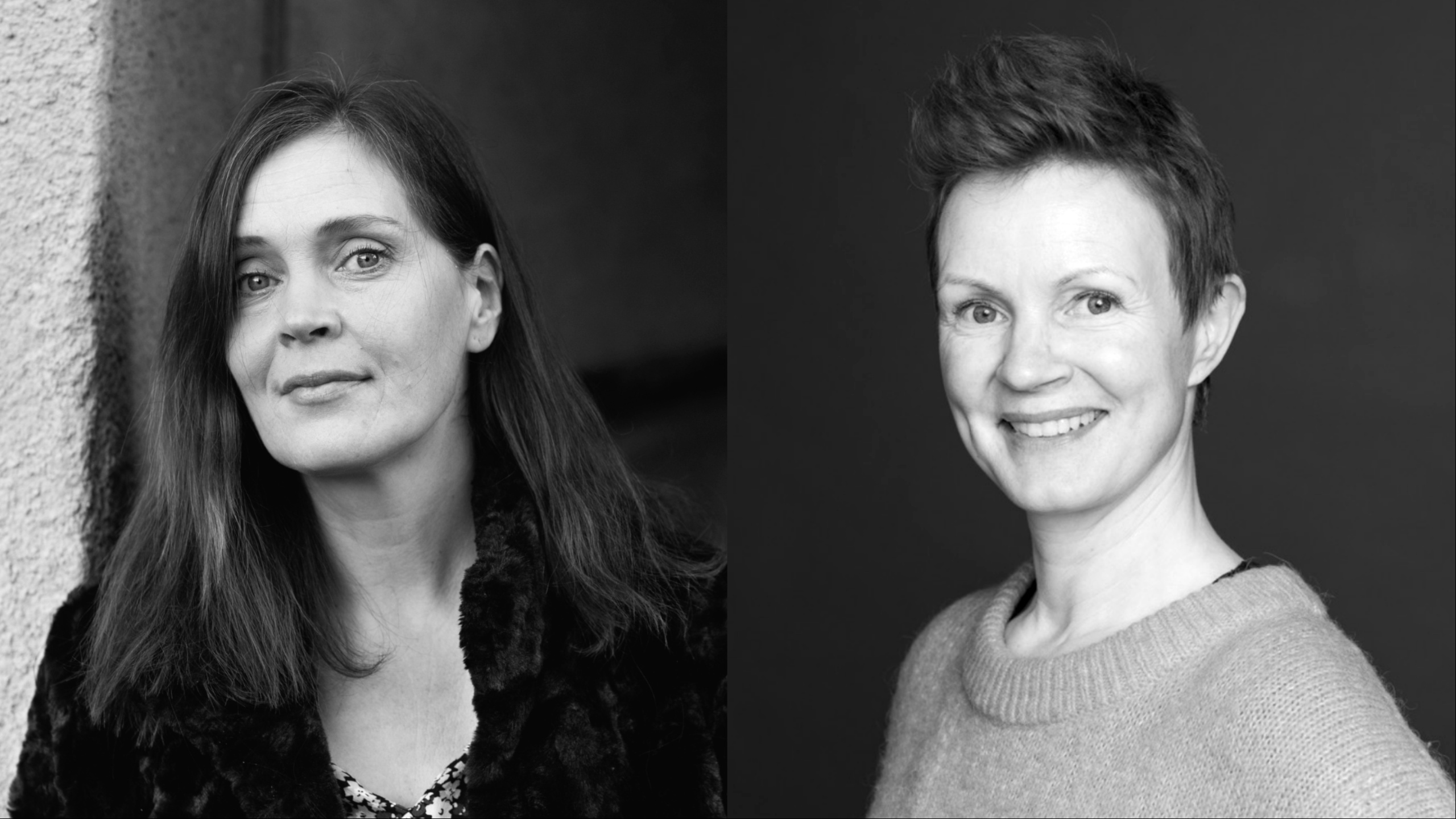
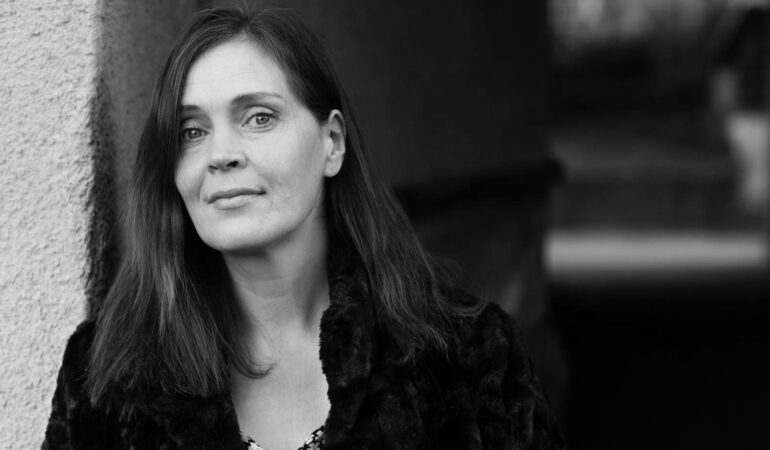
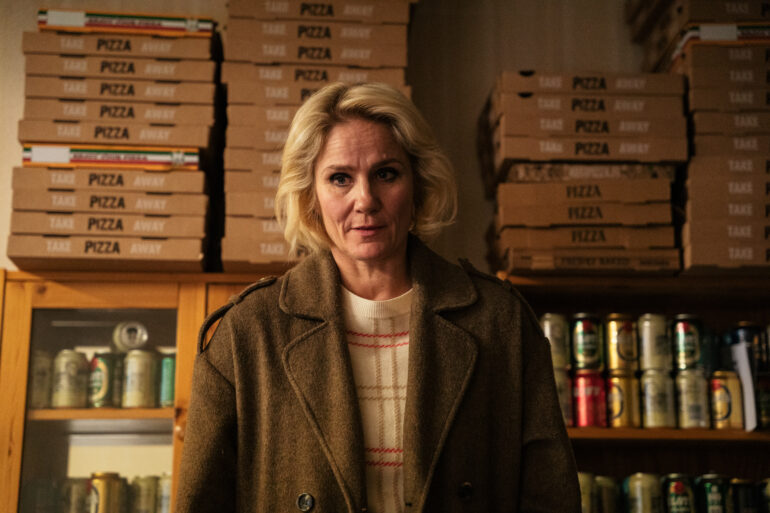
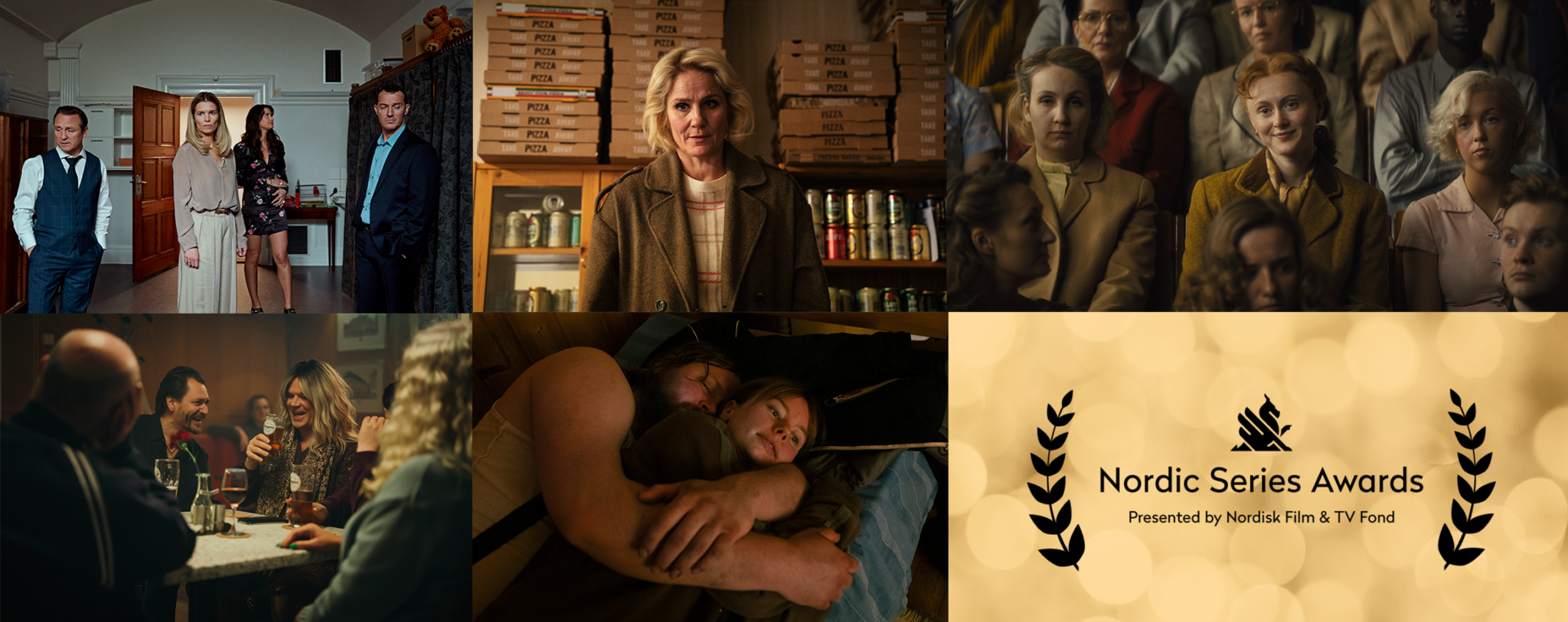
Finnish actor, writer and director Tiina Lymi is nominated for the Nordic Series Script Award 2026 for her six-episode drama series Queen of Fucking Everything.

The series tells the story of Linda, a leading Helsinki real estate agent, who wakes up to her husband missing, and finds herself with millions in debt caused by him. She doesn’t want to lose her status, and turns to the criminal underworld of Helsinki, where her business skills come to good use.

Queen of Fucking Everything premiered on Yle on January 1, 2025, and is produced by Rabbit Films.

Why and how did you become a scriptwriter?

I used to be an actress, and I did that for 25 years here in Finland, acting in theatre, TV, and films. And then it just started to feel like that was actually not what I wanted to do. I started writing plays for theatre, and directing them. And after writing maybe five plays and directing eight, I moved on to camerawork and started to write and direct for camera. And that is what I really love to do. I write because I direct, the two are a symbiosis in my head, and the one does not exist without the other for me. I have to be a writer.

What inspired Queen of Fucking Everything and its characters?

Usually when I write and I start a project, there is a phenomenon or an observation that bothers me a lot, or something that I haven’t dared explore. I’m not sure if it’s possible to perceive this in the series, but believe it or not, the starting point was the experience of not being worthy of love. The main character is a super-sad character to me. She’s a woman who thinks: “Nobody loves me, nobody is on my side or in my corner of this world. I must fight all the time, and I have to be able to disguise my weakness, or otherwise they will turn their backs on me.” That was the starting point.

Can you describe your research and working process around creating and structuring the series?

The research concerning the main character was just in my own heart and head. I’m a 50-something woman who has lived, been disappointed many times in life, and had a certain kind of childhood. There were certain things I hadn’t dared to do anything about before this, and I thought that now the time was right.

There was very vast research concerning the plot and the crimes. And in the research, a terrible thing I noticed was that everything that takes place in the series is basically possible to do. Of course there are some shortcuts in the series, but it’s totally possible to do what the main character does, and that was surprising to me.

How does the writer and director in you work together?

I think it is a seamless cooperation. If the director finds that there is something wrong in the script, the negotiation process is very short. It's like putting on different hats on your head. The screenwriter has to do the job so thoroughly that it really works, and everybody knows what kind of world we are presenting in this series. Then I put the other hat on my head as a director, and then everything is subordinate to that agenda, to make as good a TV series as possible. But when I write, I very often do the basic directing scheme at the same time, I already think of camera movements, and sometimes I even write them in the script. I think it’s easier for everyone.

How do you work with creating characters that are engaging and possible to identify with, while simultaneously being brutally funny?

Just open your eyes and look at the world. It’s just the way we are. Stupid, terrible and lovable at the same time. In my opinion, when you want to write a character that is funny, scary, awful and lovable at the same time, just write a person. Because we are mainly all of that. To some people, we are something, and to other people we are something else. Somebody loves me and somebody hates me, and I'm terrible to someone and lovable to someone else. It depends on the circumstances and the situations. Mainly I think the secret of writing characters that are relatable even though they are awful is that every person’s every act has a motive, and I have to love them all. We always think that we have a good motive, and that justifies what we do. You have to understand and love the characters, and then you can kind of make them funny, because then you see that they are small and want to be big.

What was your biggest learning from the project?

The biggest learning, one that I’ve had before, is that when you have a vision, there are lots of people who come to you and tell you what you should do and what they doubt in what you are doing. Then you have to choose your battles, you have to check your motives all the time, and if you're sure that this is how it goes, then do it, and try not to kill the world that you are creating. The world is a bubble you can’t break, and you have to know what could break it and the realism in the fiction that you are creating. And then you have to fight for the bubble, so that it doesn’t burst.

I think that is one of the hardest things in this for me. I don't find it so hard to direct or to write. Writing is terrible, because you must be alone so much, but it has to be done anyway. But I don't think that's the problem or the hard or difficult part. The difficult part is, before you get the money, you have to go through a lot of discussions and a lot of really tiring processes. And if you are not heard during those processes, the world dies.

The nominated first season was commissioned by Yle, and the upcoming second season by Nelonen. What will change?

In my thinking nothing will change. Finnish people are expecting a second season, and it’s a series with 10 million starts in a country with 5 million people. So, the series was a phenomenon.

A lot of stuff will happen in the second season. People die, and then there is love that doesn’t pay off. It’s about being safe and the cost of maintaining positions, and it’s expensive in many ways. When I write, stuff happens in my head, and very often I realise: “Oh I have to kill him”, or “No, actually I have to kill her”.

I used to be an actor, so I have this actor’s mindset in a way that makes me kind of able to get excited by different kind of positions, worlds and genres, because that is what actors do. I think it gives me some kind of quality of being super flexible in realising that a certain plot turn serves the actual quintessence better.

The last few years have been quite tough for the drama series industry. How would you describe the current situation in Finland?

It’s really scary. I think there is going to be a terrible game, a lot of people being forced to find a new profession, or a lot of companies going down. What I’m afraid of is that we will lose our own voice if we are forced to only serve money. The whole industry is a combination of art and business, and we have to be very careful. We are walking on thin ice at the moment.

Maybe we just have to find new ways of thinking, new ways of surviving. To me, one obvious thought is: How can we make series or films that come from our corner of the world, that contain our own points of view, while simultaneously being interesting to an international audience?

Queen of Fucking Everything has been sold to 12 countries, and there's going to be remakes of the series. So, something went right with that one, and I think what went right was that I was not thinking: “Let’s hope the Americans will love this”, or “let's try to be Swedish…” You just have to use your own voice and your own point of view. But I think that we are at a point where we are forced to think more internationally.

Official trailer: