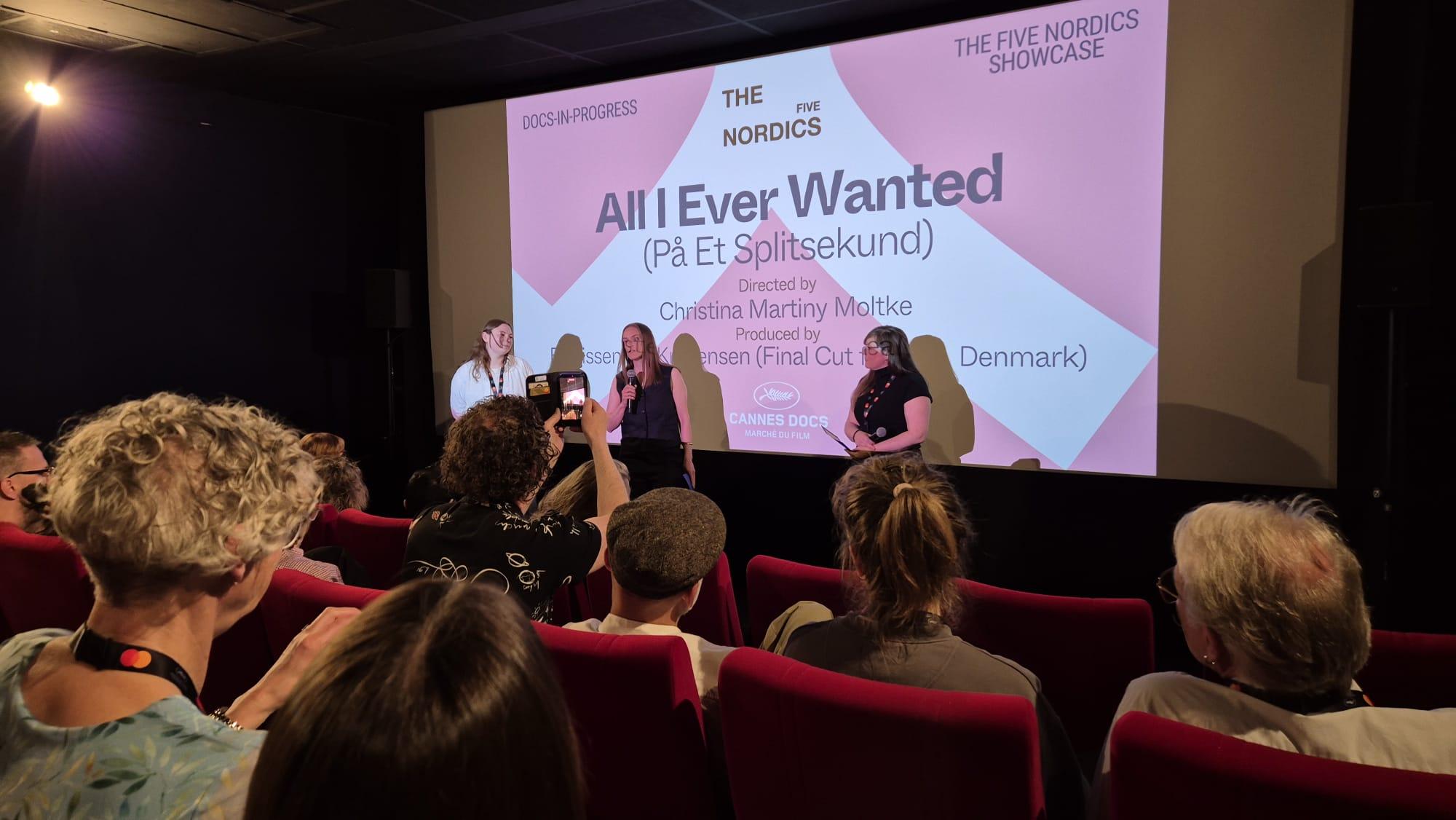
Five Nordic doc projects court partners at Cannes Docs
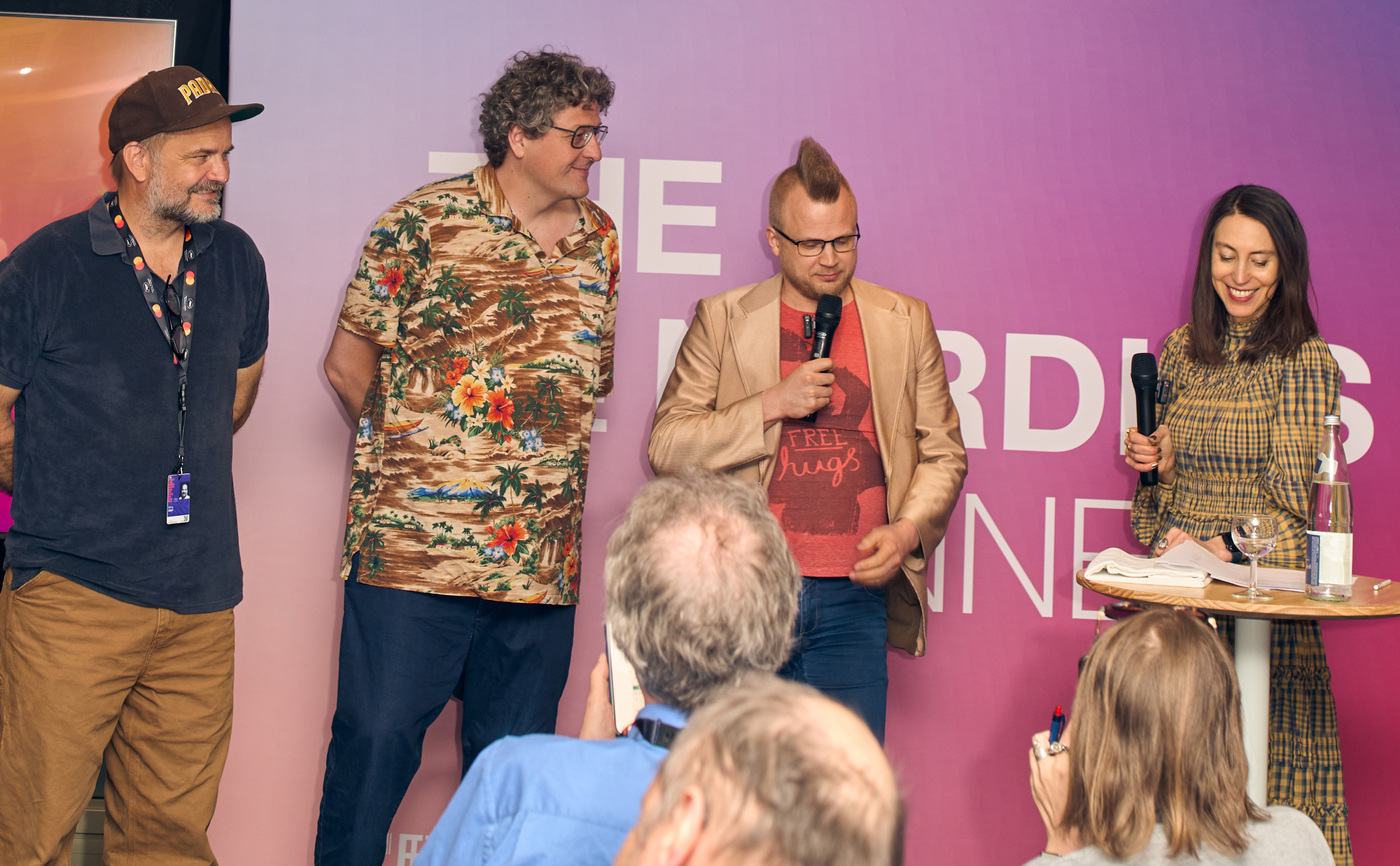
The Five Nordics showcase presented five late-stage projects spanning terminal illness, memory, Arctic communities, environmental crime and Black identity.
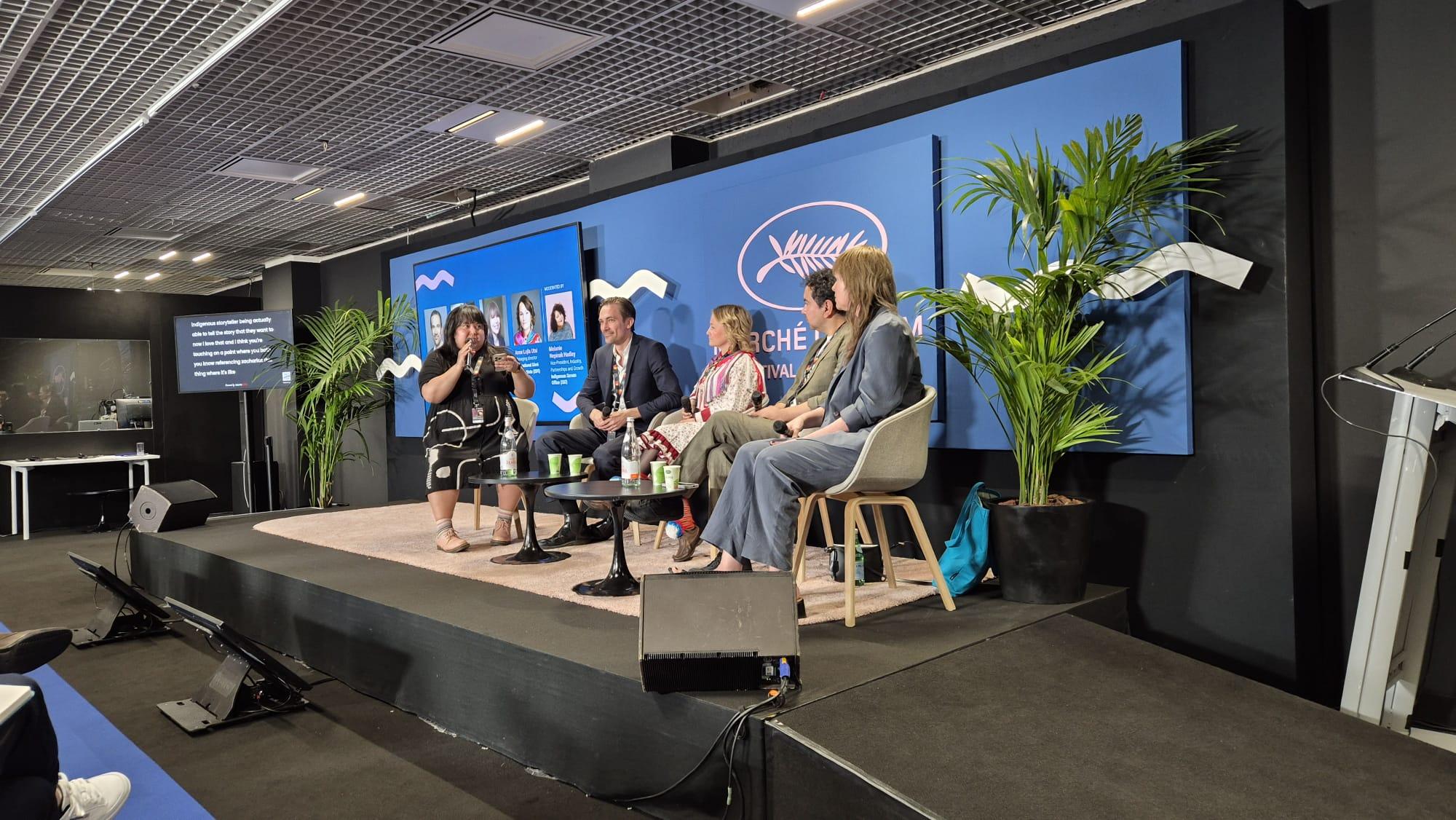
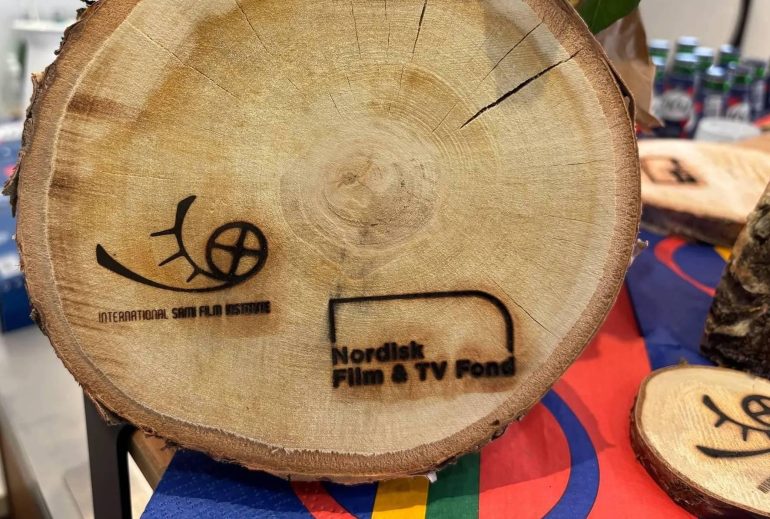
NFTVF arranged strategic distribution meetings and a producers’ hub, and collaborated with the International Sámi Film Institute on an important fireside chat.
During Marché du Film, Nordisk Film & TV Fond (NFTVF) organised strategic industry meetings and hosted the Nordic Producers Hub on the ground floor of the Nordic House to provide meeting places for upcoming co-productions, while the films Fjord and Low Expectations (Lave forventninger), both supported by NFTVF, were celebrated in Cannes. NFTVF’s CEO Liselott Forsman comments:
“It was a joy seeing the intense discussions on future projects in our producers’ hub in a room filled with posters picturing recent Nordic achievements. At festivals we look a little back and a lot forward. Our theme year 2026, Branding & Distribution, marked this year’s agenda in Cannes. Lise Løwholm (Senior Advisor, Legal & Strategy) and I held a number of fruitful strategic discussions on strengthening Nordic branding and film distribution with producers, distributors, festivals and promotion networks from the Nordic region and beyond.”
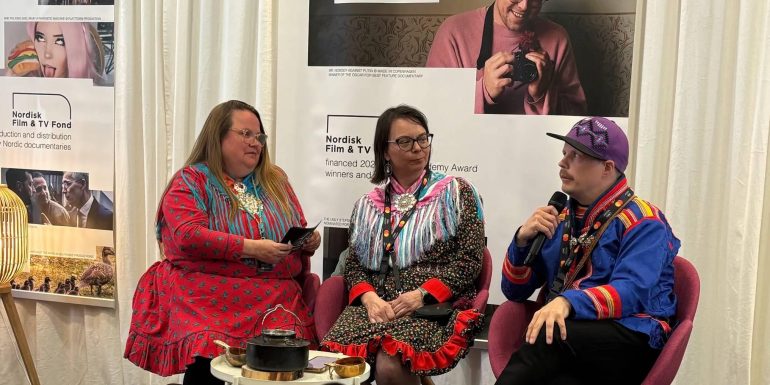
In the Nordic House, NFTVF also collaborated at a Sámi fireside chat and happy hour with The International Sámi Film Institute (ISFI).
“We were very happy to share the event with ISFI. Anne Lajla Utsi’s and the Institute’s strong work for the Sámi film industry is one of the most organic cross-border collaborations in the Nordic region. These Indigenous productions are truly rooted in today’s Sámi culture without forgetting the past, while the strategic work is truly international and always forward-looking.”
From the fireplace to the global screen: the rising power of Sámi storytelling
The heart of Sápmi, the tradition of the árran - the fireplace - has long been the centre of community and connection. Today, that same fire is fuelling a cinematic transcendence, as Sámi and Indigenous filmmakers emerge as significant and authentic voices in the Nordic film and TV industry. While the Sámi talent base is stronger than ever, the industry faces a critical challenge: ensuring that funding matches the scale of this creative ambition.
A powerhouse of talent
ISFI, based in Guovdageaidnu, Norway, serves as a gathering place where stories "catch fire”, supported by a sophisticated network of producers and directors across Norway, Sweden, and Finland. ISFI also has a strong international collaboration both with other Indigenous film communities and big global players.
Producers Kati Eriksen (Home River Media) and Per-Josef Idivuoma (Forest People), both selected participants of this year’s impACT Lab (CLICK HERE), exemplify this new wave. In a conversation with Siljá Somby, Film Commissioner at the International Sámi Film Institute, Eriksen, a human rights activist turned filmmaker, uses her platform to ensure "Sámi stories flow to the world”, while Idivuoma - a veteran of Sámi Radio - is currently co-producing the highly anticipated horror feature Stallo and Amanda Kernell’s upcoming project, Brace Your Heart (Garrat du Váimmu).
The diversity within this talent pool is also expanding. Filmmakers like Paulina Teodoro and Lada Suomenrinne are bringing the specific perspectives of minority communities, such as the Skolt Sámi, to the screen, exploring deep themes of spirituality, water rights, and historical trauma.
The funding gap: a "superpower" required
Despite these successes, the path to production remains steep. Eriksen famously noted that "finding funds is her superpower”, a sentiment that underscores a difficult reality: For many Indigenous creators, securing the necessary capital to bring large-scale projects to life is a constant struggle.
While organisations like Nordisk Film & TV Fond provide vital top-financing and "open doors to international money”, the demand for support far outstrips current availability. Despite recent production grants for projects like Máttáráhkka (Suvi West and Anssi Kömi) and Vïelle (Camilla Drege Arntsen), the Sámi film industry needs more consistent and robust investments to achieve sustainability.
Why the world needs these stories now
The push for Indigenous cinema is not just about representation; it is about a fundamental shift in perspective. As the world grapples with climate change, Indigenous storytelling offers a unique lens through which to view our relationship with the land and water.
The Sámi film community has established clear protocols for Indigenous filmmaking, operating under the principle of "nothing about us without us”. This ensures that when Sámi stories are told, they are told by those who live them, protecting the integrity of the culture while sharing it with a global audience.
As we look toward the future of Nordic cinema, it is clear that the talent is ready. The stories are catching fire; now the industry must ensure there is enough fuel to keep those fires burning.