Subscribe to newsletter

Get the latest film & TV news from the Nordics, interviews and industry reports. You will also receive information about our events, funded projects and new initiatives.

How to get more women working with virtual production in the Nordics?

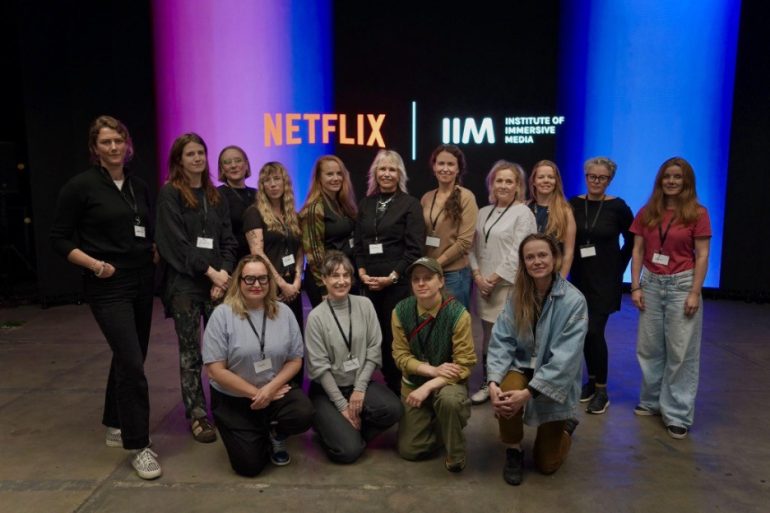
Women's Virtual Production Training workshop / Photo: Institute of Immersive Media
×
NEWS

How to get more women working with virtual production in the Nordics?

Women's Virtual Production Training workshop / Photo: Institute of Immersive Media

A training workshop organised by the Institute of Immersive Media (IIM) and Netflix in Denmark this October encouraged more diversity in virtual production.

Technologies such as virtual production are currently changing how films and series are made, and creating a growing demand for new skills behind the camera. Recent reports estimate a remarkable growth in the global virtual production industry in the coming years, and some regard this as an opportunity to improve gender diversity in the technical roles in the film and television industries where women remain significantly underrepresented.

A new Women’s Virtual Production Training workshop, organised by the Institute of Immersive Media (IIM) and Netflix this October, tried to address this issue by bringing together 15 women from Denmark, Norway, Sweden and Finland for two intense days at FilmGear in Denmark, focusing on the meeting between traditional live-action film production and advanced digital technology. The participants had at least five years of industry experience working with e.g. cinematography, directing or VFX, but no prior experience with virtual production.

Co-founder of IIM Christina Caspers argues that virtual production is one of the most rapidly evolving areas of the film and television industries, and that it is crucial for women film professionals to be part of this development.

“The Women’s Virtual Production Training initiative was created to change the fact that there are currently very few women in this field, by offering women film professionals practical experience, specific skills and a network that can help them move into important key positions.”

From the Netflix perspective, Content Director for Netflix Nordics Jenny Stjernströmer Björk stresses that it is crucial for telling the best Nordic stories to have an industry based on inclusion and building on many different perspectives – also when it comes to virtual production.

“It has been a pleasure collaborating with Institute of Immersive Media around this initiative, and I hope that the participants leave the workshop with renewed self confidence, new skills and a valuable network for their future careers.”

×
NEWS

How to get more women working with virtual production in the Nordics?

Women's Virtual Production Training workshop / Photo: Institute of Immersive Media 1

Technical as well as creative focus

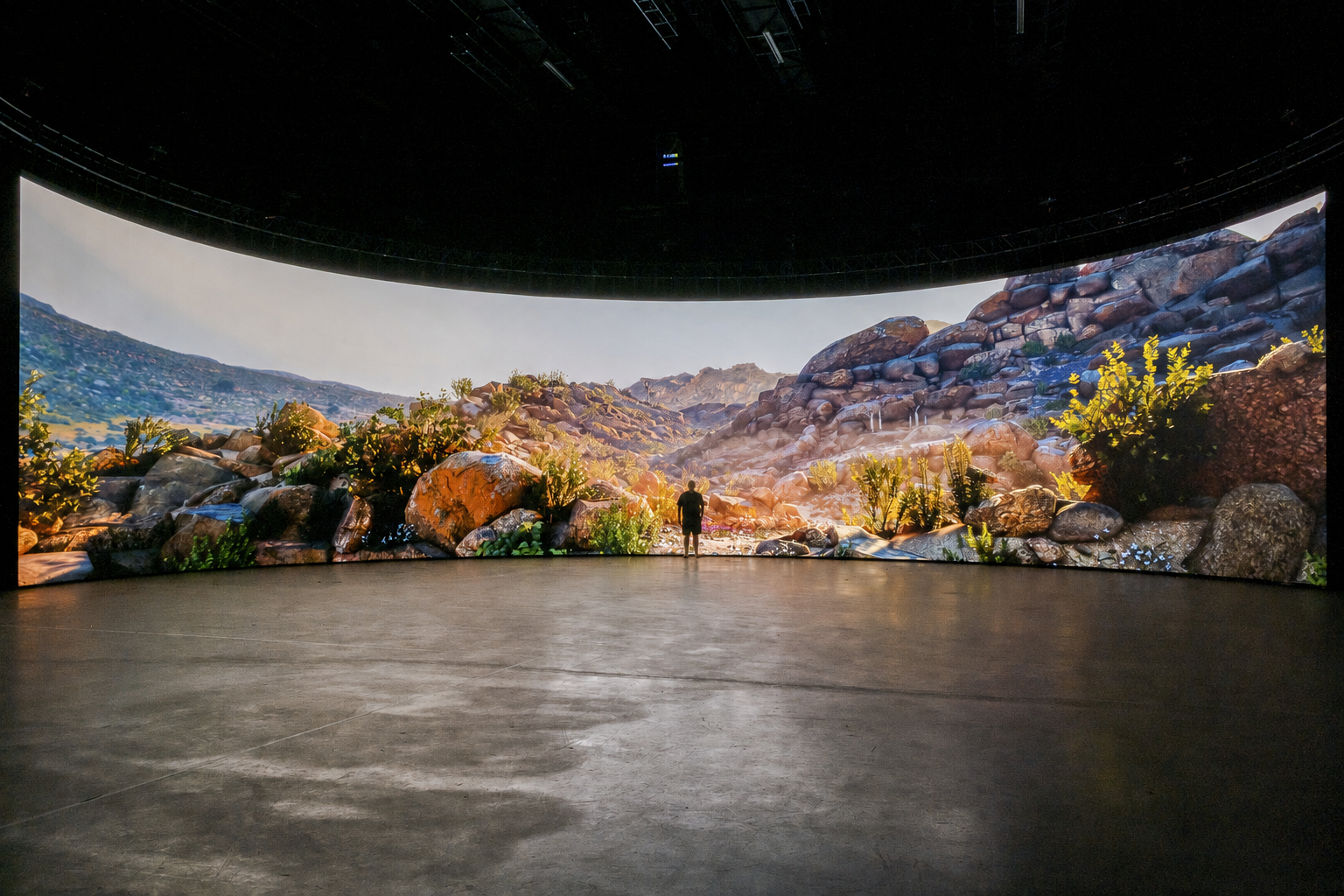
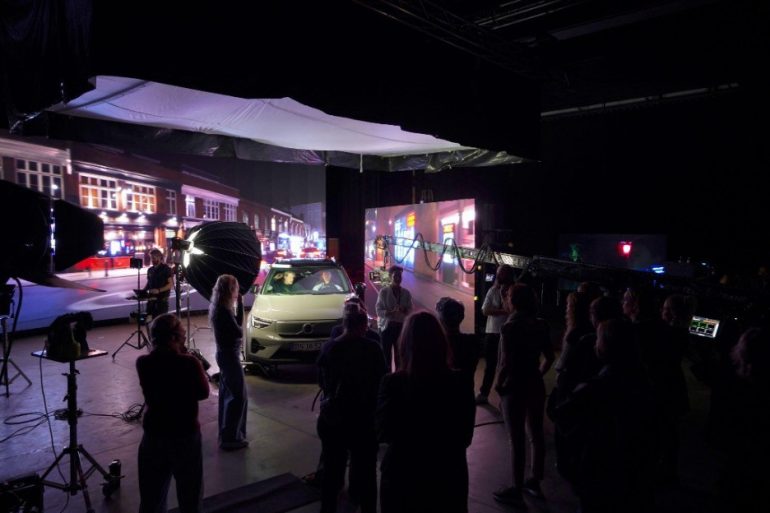
The first workshop day focused on different aspects of virtual production, from practical issues related to working with LED volumes and camera tracking in real-time digital environments to budgeting and colour workflows. On the second day, participants got hands-on experience through filming and evaluating a scene based on their own creative brief.

Finnish producer, creative director and founder of Gutsy Productions Marika Markaroff took part in the workshop, and found it to be highly inspiring for her future work and productions.

“It’s increasingly important to know about new techniques and how to use them in different kinds of productions, also from a creative point of view. I recently had an idea, but everyone told me that it would be impossible to film. Then we found a way to do it together with Epic Games. There’s a lot of focus on creating story worlds and content universes, and knowing what is possible through different kinds of hybrid and virtual set-ups is crucial for doing that.”

Danish cinematographer Agapi Christina Triantafillidis also participated in the workshop, and agrees that knowing more about virtual production is valuable from a technical as well as a creative perspective.

“It seems crucial to have a fundamental understanding of this technology and know how to use it creatively as well as technically. As a cinematographer, I’m particularly interested in how technology can widen the visual opportunities in filmmaking. It takes curiosity, experimentation, and willingness to engage to keep up with these developments. This workshop gave me more knowledge in this regard and a greater confidence in working with virtual production. I see many exciting possibilities in this, and I’m looking forward to using it.”

Inspiration and community-building across professions

Both Agapi Christina Triantafillidis and Marika Markaroff stress how the more technical professions in the screen industries have traditionally been male-dominated, which affects networking as well as a sense of belonging for women aspiring to get in. The workshop highlighted the importance of inspiration, community-building and support when trying to open new doors. As Markaroff says:

“It was great to see all the women talent in the room! We came at this with different backgrounds and skillsets, which was very productive. There can be both social, educational and workplace barriers for women working in the technical field, and there are few female role models in the tech industry. The workshop felt like an important initiative to change this and try to create a more inclusive environment. There’s definitely not a lack of women talent, but there are still many stereotypes and many challenges for women working in this field.”

Agapi Christina Triantafillidis finds that workshops like these are important for facilitating change.

“More workshops, networks and practical opportunities for women to meet and get hands-on experience with virtual production are needed. It means a lot to be able to mirror experiences in those of fellow pracitioners, share input and know that there are like-minded women colleagues in the Nordics. We need to challenge traditional notions of where men and women belong in these industries. Technical skills, creativity and the ability to make good films are not about gender, but about interest, experience and competencies.”

Following the workshop in Denmark, there will be an online learning experience in December. Moreover, the participants have formed their own network to stay in touch and help each other on specific projects moving forward.

For more on the workshop: CLICK HERE.

RELATED POST TO : PRODUCTION / NORDIC INDUSTRY NEWS / NORDICS