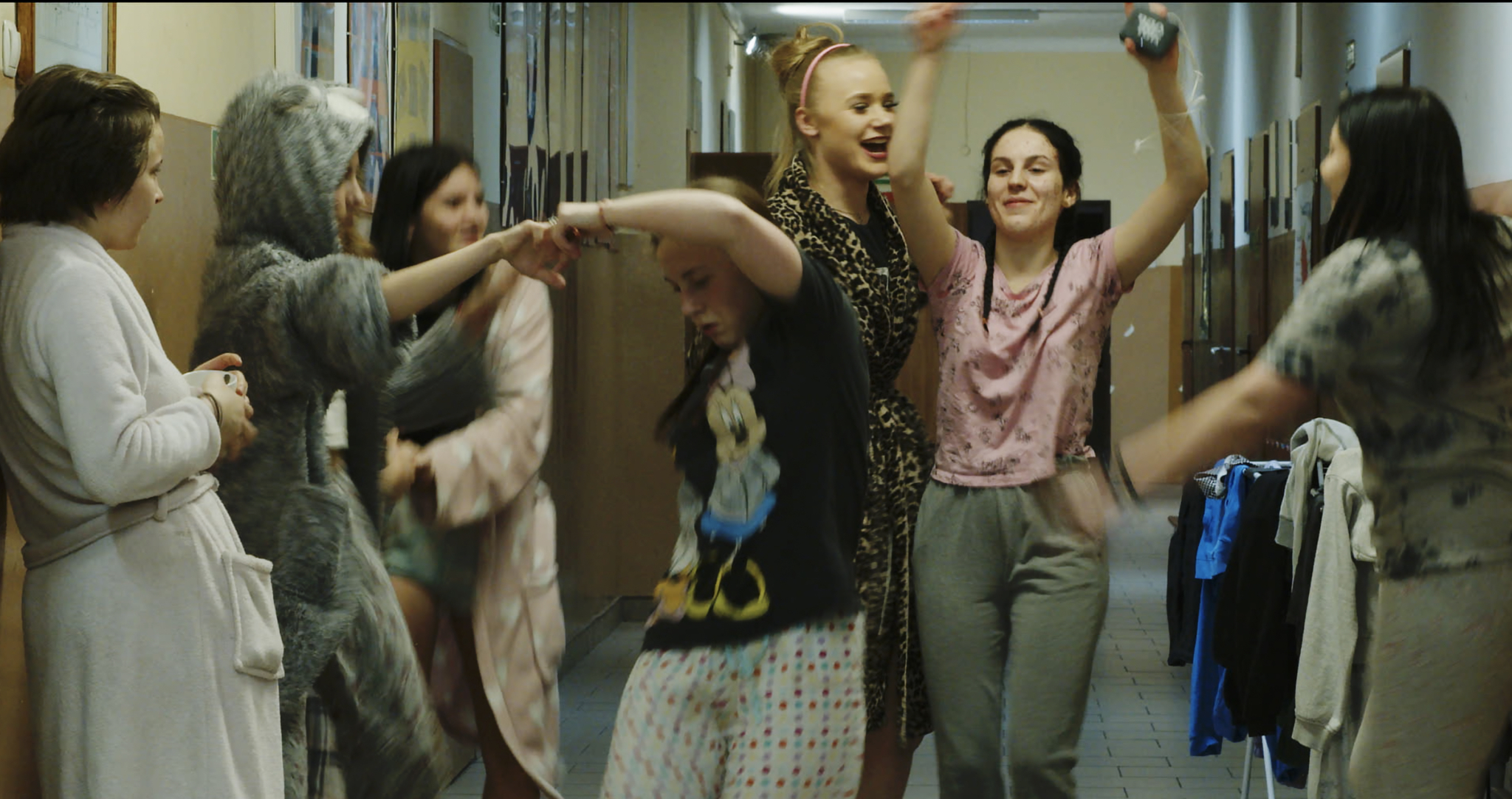
Stockholm celebrates twelve days of film – as art form, that is
The 37th edition of the Stockholm International Film Festival offers the foremost fare in the year of film 2026 as well as some lively industry activities, and more.
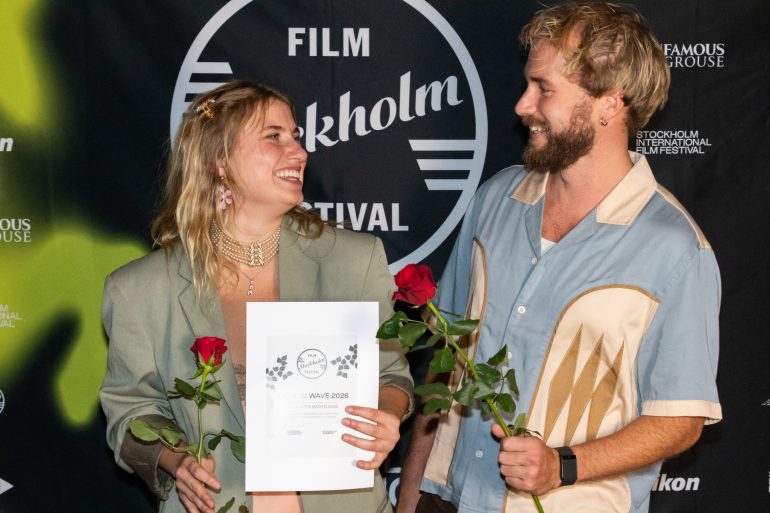
The 39th Stockholm International Film Festival closed with awards for a series of acclaimed US productions. Stockholm Industry Days highlighted the next generation of Nordic filmmakers, with Tess Quatri’s Like There Is No Tomorrow winning the Nordic Wave pitch competition.
As the 39th edition of the Stockholm International Film Festival ended its eleven-day voyage in a proverbial bang with the national premiere screening of Nathan Fielder and Lance Oppenheim’s instant cause celebre account of the multifarious (mis)fortunes of health industry entrepreneur Elisabeth Holmes You Can See Everything, that very US production had already been picked as Best Documentary by the assigned jury, consisting of Jon Asp, Tova Mozard and Dennis Harvey, all three accomplished documentary directors themselves. “Rarely has such a hyped film lived so much up to expectations,” exclaimed Asp, additionally a regular critic, in his coinciding review for the Swedish magazine Fokus.
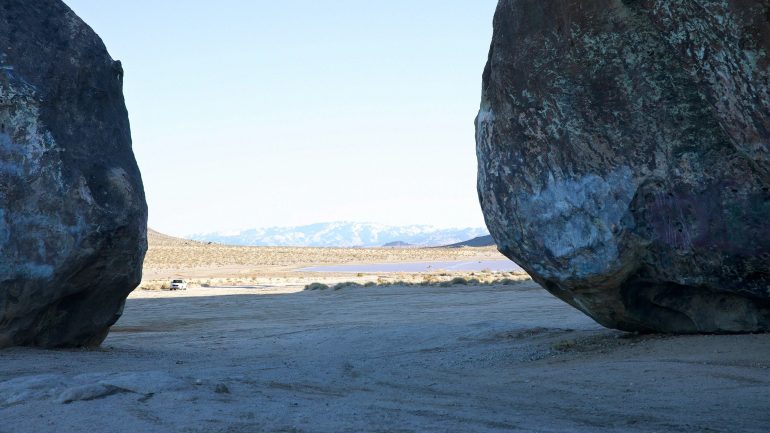
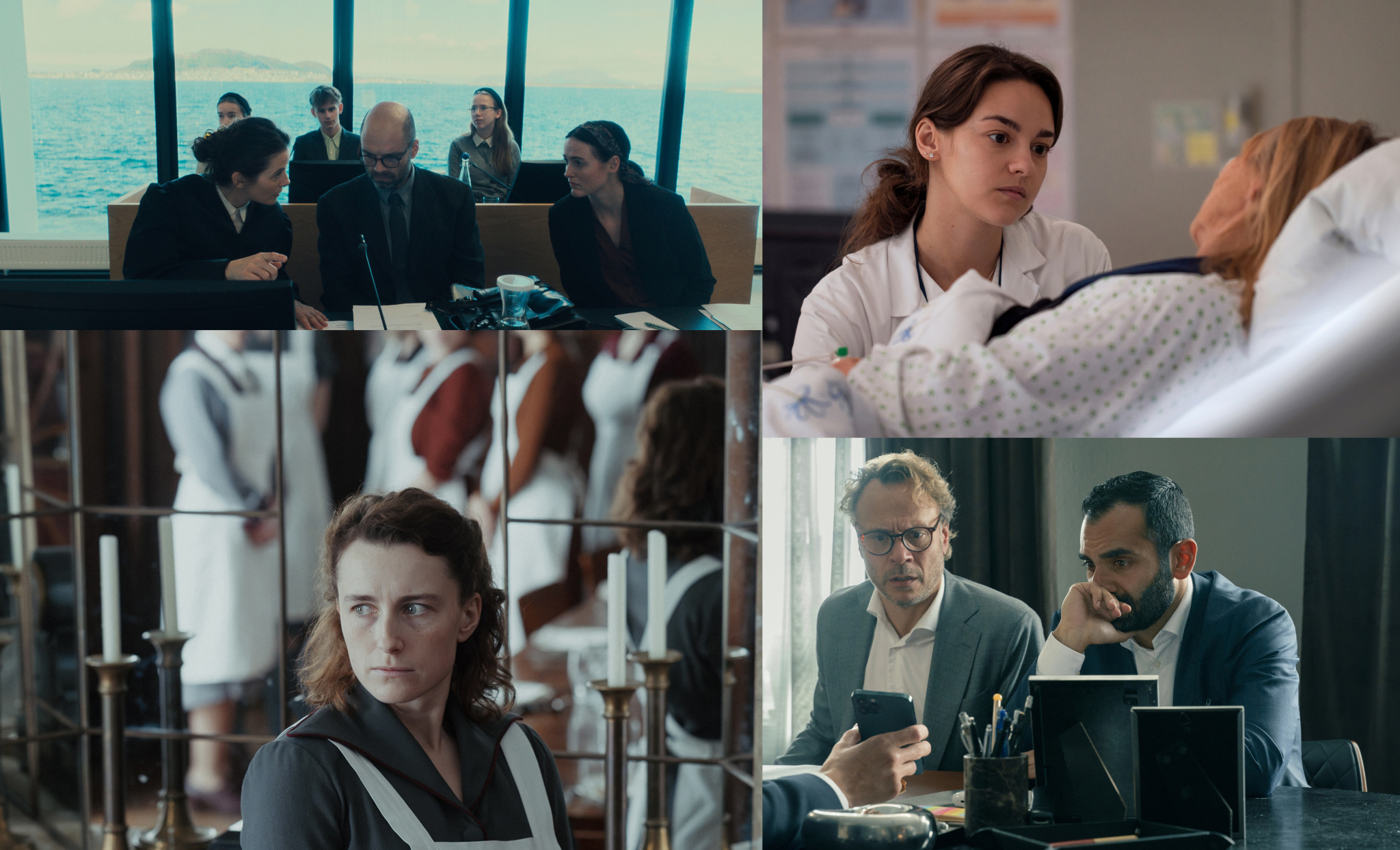
The main jury – actress Frida Gustavsson, director Björn Stein and producer Maida Krak – also favoured several works from the US, including the Best Film winner, the academic sci-fi noir Chronovisor by Jack Auen and Kevin Walker, the comedy drama Club Kid, directed by and starring Jordan Firstman, which won its star and maker both the Best Actor and Best Director prizes, and the psychological thriller Josephine, written and directed by Beth de Araújo, awarded for Best Screenplay. UK’s Sophie Okonedo got the Best Actress award for her title portrayal in Clarissa, a contemporary Lagos-set reimagining of Virginia Woolf’s 1925 novel Mrs. Dalloway, directed by Nigerian twin brothers Arie and Chuko Esiri. France’s Pierre Le Gall was awarded for Best First Feature for Flesh and Fuel (Du fioul dans les artères). Jonathan Glendon won the Best Cinematography prize for his work in the Canadian true-crime account Manhunt, directed by Wayne Wapeemukwa.
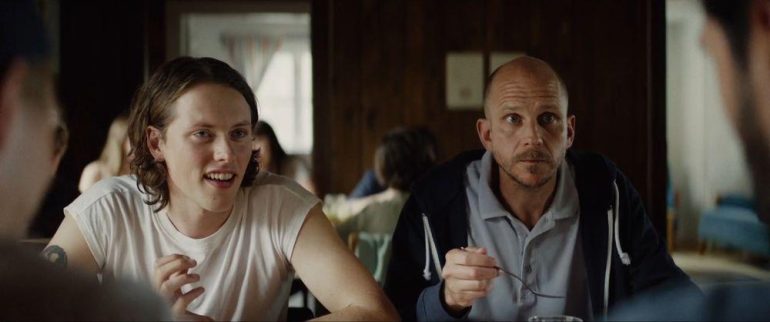
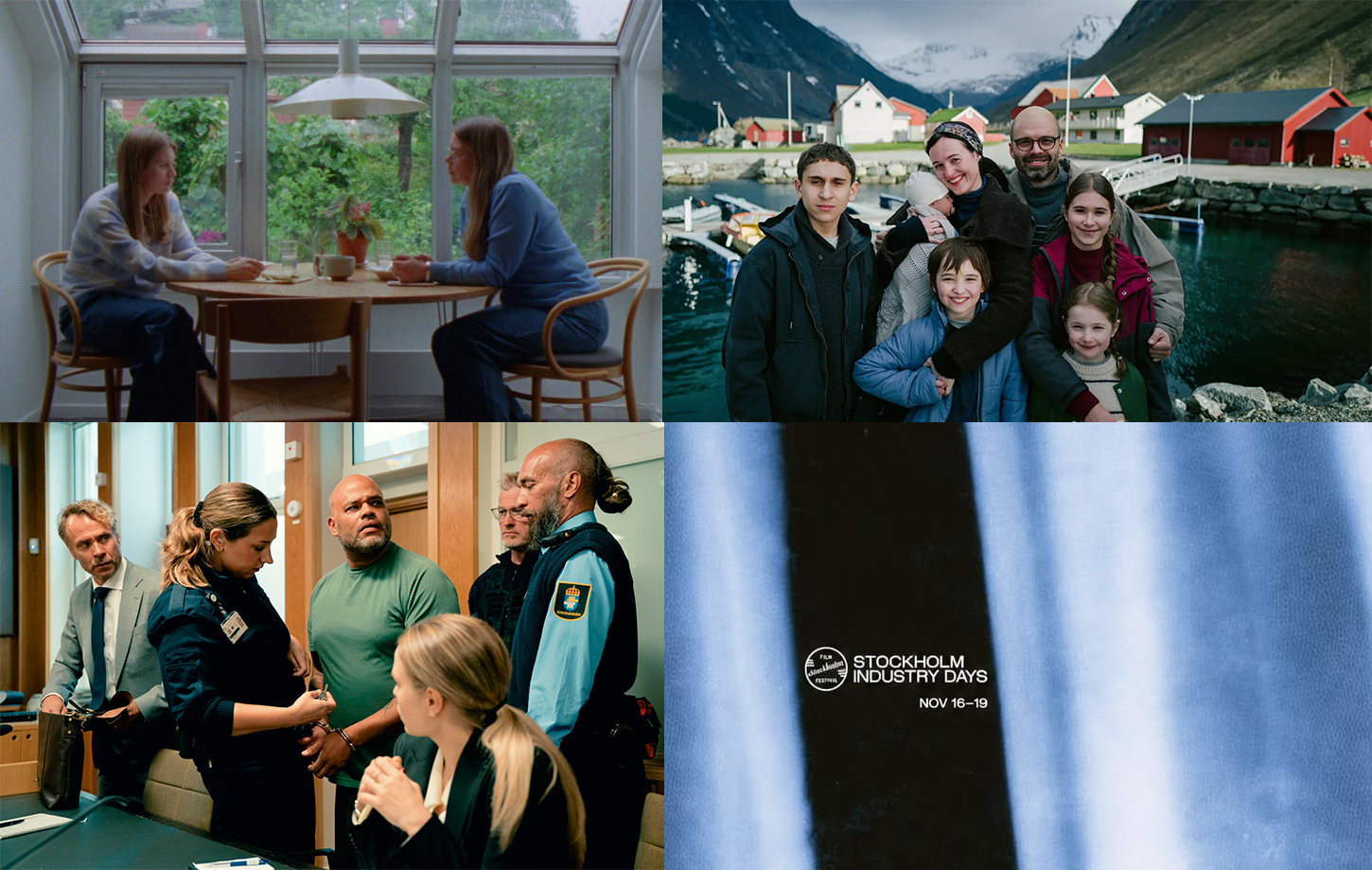
For a Nordic focus, the festival’s industry days offered plentiful fare. POV looks, BTS sessions and master classes took on Julia Lindström’s forthcoming first feature Lisa & Lilly, the second season of the multi-awarded Swedish crime series Burden of Justice (Hundarna), and deep dives into the visions of Swedish cinema, as well as the multi-national co-production journey of Cristian Mungiu’s Norway-set Palme d’Or-winning Fjord, to name a few highlights. This year’s Swedish Rising Star recipient was also presented here – Nonni Ardal Hammarström, seen not least in Adult Supervision (Arkipelag), this year’s Swedish Oscar submission, together with Gustaf Skarsgård, himself appearing at the festival as the latest incarnation of crime hunter Kurt Wallander in the brand new TV4 series, playing at select broadcasters next year, but given a big-screen preview here.
The industry forum also contained a number of pitch sessions, the possible edge-cutter being the Nordic Wave sessions, “the pitch competition for distinctive and bold Nordic voices”, open to feature films and series in development by directors working on their first, second or third long-format project.
This year brought five such projects; Malin Ingrid Johansson’s Ford (Sweden), produced by Joel Rostmark for Pine, Anna Maria Sloan and Annika Djurhuus Olsen’s series Gøtubrá (Faroe Islands/Denmark/Sweden), produced by Lucas Frayssinet and Rúna Volmarsdóttir Højgaard for Bloom Productions, Tess Quatri’s Like There Is No Tomorrow (Norway/Spain/Sweden/Denmark), produced by Andrea Berentsen Ottmar and Dyveke Bjørkly Graver for Norway’s Eye Eye Pictures, Dennis Harvey’s Migration Solutions (Sweden), produced by Elin Lilleman Eriksson for MDEMC Produktion, and Gunhild Enger’s Stone Life (Norway), produced by Håkon Øverås, Peter Theisen Amlie and Håvard Gjerstad for 4 ½ Fiction.
From this quintet, out of which several projects already enjoy a good buzz, the winner was a first feature project, Like There Is No Tomorrow. Previously presented in France’s Less Is More development programme in Plounéour-Brignogan and in the Nordic Film Market at Göteborg Film Festival, and currently in pre-production, the film has a confirmed funding of about €1,2 million.
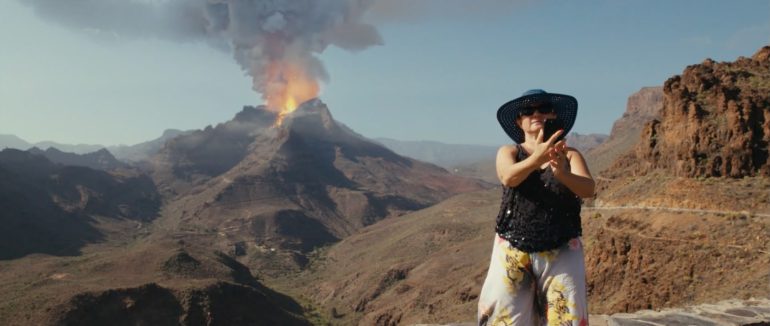
Swedish-Norwegian director Tess Quatri, a 2022 graduate of The Norwegian Film School, has also received the Swedish Film Institute’s Wild Card development grant with the project, playing out in what is sometimes mockingly informally called “an additional Nordic province” due to its many Scandinavian and Nordic visitors through the decades, namely Gran Canaria of the Canary Islands.
“I think many of those who hear about this project go ‘Aha – of course!” says the 30-year-old Quatri, who shares her life between Norway, Sweden and Denmark, where her writing and real-life partner Mads Elsass, co-recipient of the pitch prize, lives.
“These resorts are so closely relatable to so many, but the perspective I want to show is something not that many have really considered. And that seems to perk people’s curiosity.”
This story, about a single Spanish mother and her half-Norwegian daughter and a run-down campsite for locals who have been pushed out by luxury resorts, is to some degree researched first-hand by Quatri herself.
“I’ve partly grown up on Gran Canaria myself, in the south and very touristy part. And like one of the main characters in the film, I went to a Swedish school. There’s a Swedish village, a Norwegian village and even a Swedish hospital there. So it’s in a way like home, but in a very different way.”
Quatri approached her main producer Eye Eye Pictures on an instinctive hunch – and a fortunate one, it could be said.
“I always wanted to work with them, because they produce great projects. When I needed a new producer, I called on them to read the script. We held a meeting, and they joined the project. Just like that. They’re transparent, supportive, and deeply focused on director vision and auteurship.”
Eye Eye producer Andrea Berentsen Ottmar can only reciprocate the good sentiment regarding the alliance:
”We didn’t know Tess from before, but we just got really impressed when we read the script she sent us. This is an accomplished and warm coming of age story, both personal and topical, and we have every faith in Tess, the director, as well as the project itself.”
Casting will start soon, as will location-scouting, with shooting about to commence in about a year’s time.
The 2026 Stockholm Industry Days, supported by Nordisk Film & TV Fond, playing out November 16-19, gathered over 700 distributors, co-producers, festival programmers, industry professionals and other affiliated participants. The event also hosted short film presentations, including the 1KM Film competition. All info available: CLICK HERE.
Stockholm IFF's official website: CLICK HERE.