Join the Fund's newsletter!

Get the latest film & TV news from the Nordics, interviews and industry reports. You will also recieve information about our events, funded projects and new initiatives.

Do you accept that NFTVF may process your information and contact you by e-mail? You can change your mind at any time by clicking unsubscribe in the footer of any email you receive or by contacting us. For more information please visit our privacy statement.

We will treat your information with respect.

We use Mailchimp as our marketing platform. By clicking below to subscribe, you acknowledge that your information will be transferred to Mailchimp for processing. Learn more about Mailchimp's privacy practices here.

“Nothing about us, without us”: Indigenous voices claim space at the EFM

Árru / Photo: Stær
×
NEWS

“Nothing about us, without us”: Indigenous voices claim space at the EFM

Árru / Photo: Stær

With a Sámi musical in Panorama and a Greenlandic Film Institute launching this year, Indigenous cinema enters Berlin with institutional backing and market ambition.

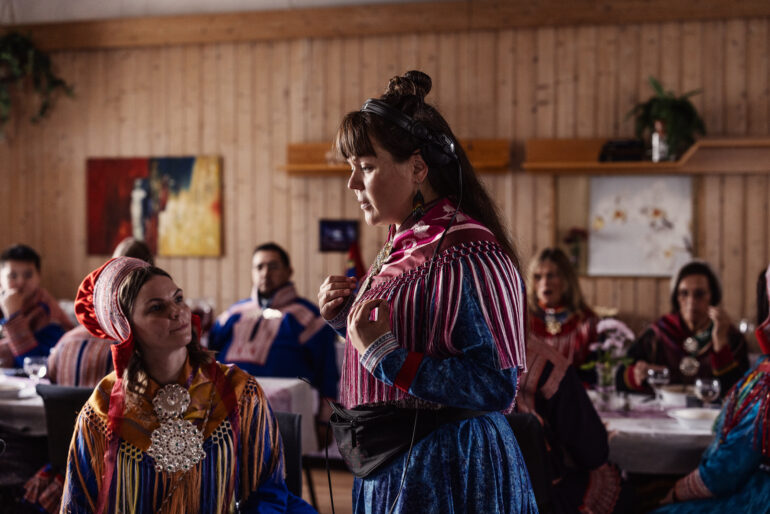
At Berlin’s European Film Market (EFM, 12-18 February), Indigenous presence is no longer peripheral. Through the coordinated efforts of the Indigenous Cinema Alliance (ICA), Sámi, Greenlandic and other Indigenous filmmakers arrive in Berlin not only with films in official sections, but with a clear strategy for market positioning, co-production and narrative sovereignty.

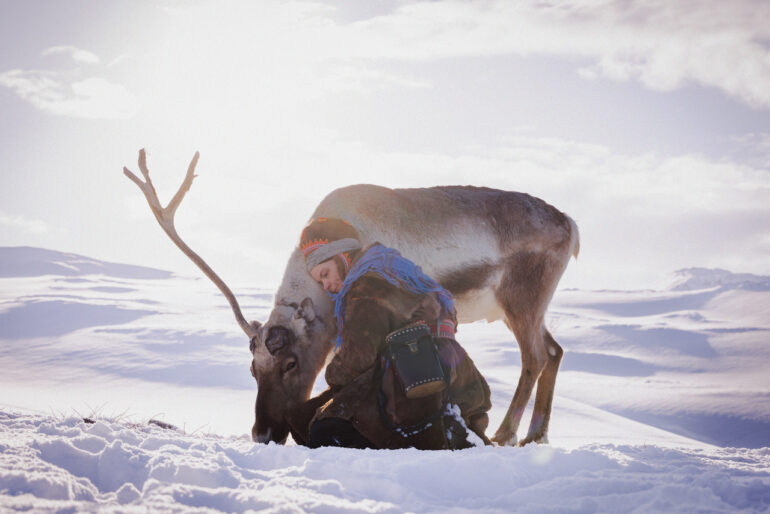
Leading the moment is the world’s first Sámi yoik drama Árru, directed by Elle Sofe Sara, selected in the Panorama strand of the Berlinale. Set in Sápmi and sold by The Yellow Affair, the film follows reindeer herder Maia as she confronts a looming mining project threatening ancestral lands, while navigating family trauma and community silence.

For Sara, the fusion of Sámi cultural expression and musical form was deeply personal. “I love musicals like The Sound of Music, Dancer in the Dark, In the Heights and also Frozen 2, which was dubbed to Sámi,” she explains. Coming from a dance background, she adds that dance and music give her “joy and a sense of my body in that situation”. Originally conceived as a full musical, budget constraints meant only selected sequences could be realised. One embraces “the ‘typical’ film musicals with commercial dance, colours and joy”, while another becomes “a dream scene with kind of Maia’s inner world”.

Her experience also reflects broader structural challenges. European co-production, she says, has been “very enthusiastic” about a Sámi musical, yet lacks practical understanding of what musicals require: early involvement of songwriters, composers and choreographers, and the logistical realities of shooting in remote northern Norway. “I felt that there was no understanding and respect for this aspect,” she notes.

×
NEWS

“Nothing about us, without us”: Indigenous voices claim space at the EFM

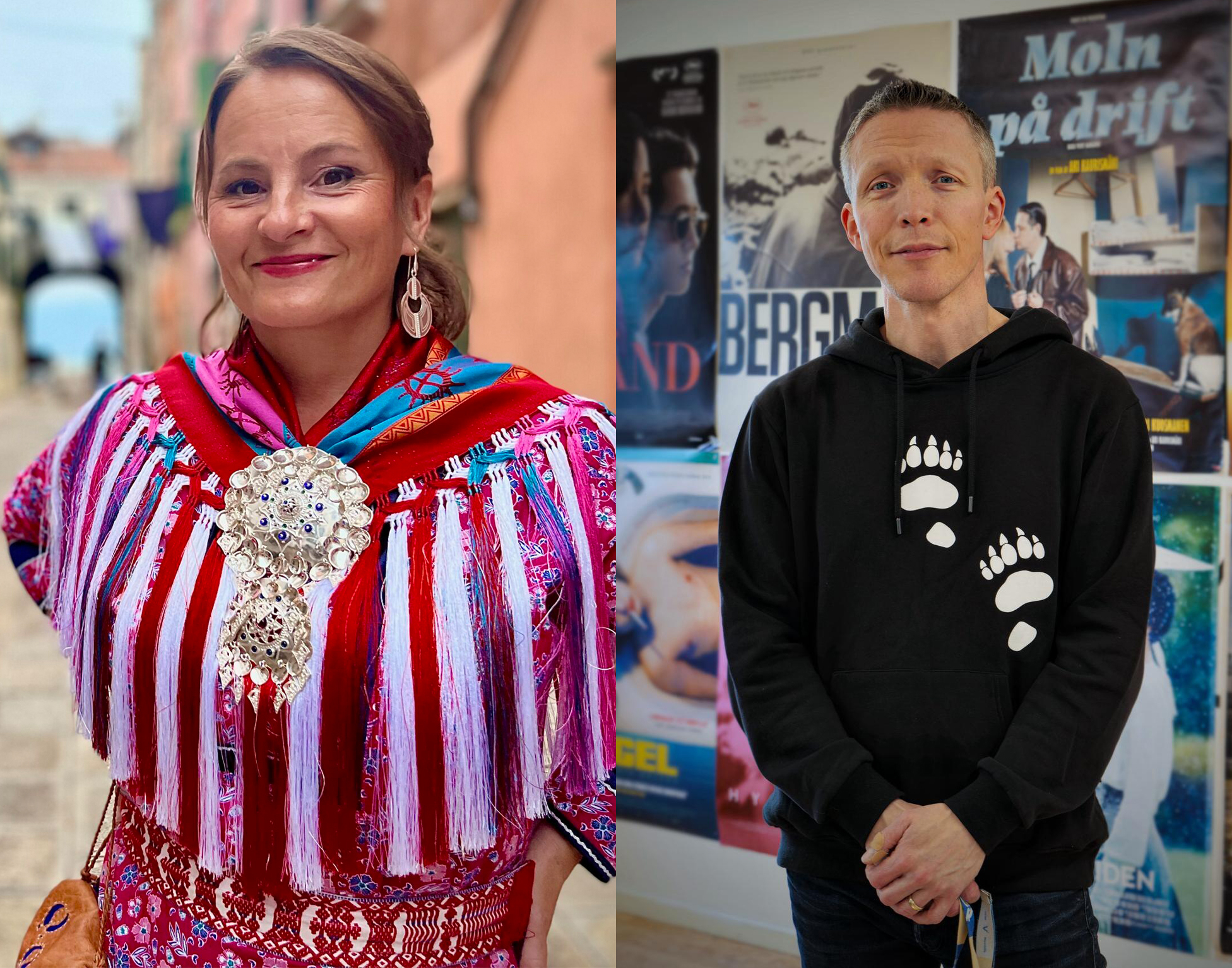
Elle Sofe Sara / Photo: Arvu Marie Louise Somby

On representation, Sara is clear-eyed. A clean Sámi aesthetic rooted in tradition can be misread as historical rather than contemporary. “I make films from my own background, references and life situation, and that happens to be Sámi. But I make universal stories about people, families.” With Árru, she hopes audiences recognise Maia as a universal figure: “I want to tell a story that’s relevant not only to my community, but to anyone who’s ever faced the silence of trauma… It’s about breaking the silence and the possibility of change through speaking up.”

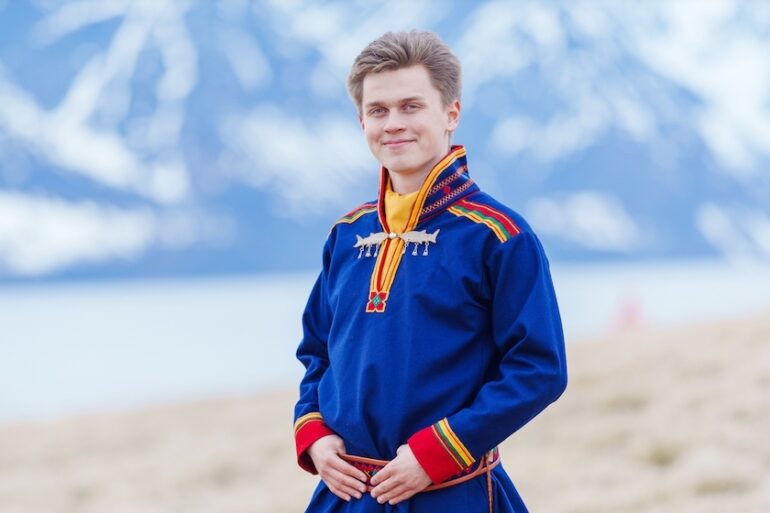
Parallel to Panorama, the ICA’s market strategy extends into the EFM Toolbox programme, where Sámi filmmaker Johannes Vang participates as a 2026 ICA Fellow. For Vang, initiatives like Toolbox and the ICA fellowship cohort are “essential for making Sámi and Indigenous stories available for a larger audience”. He underscores that the work of the International Sámi Film Institute (ISFI) and ICA in securing “a seat at the European table is quintessential for enhancing our stories' visibility in a global market”.

Vang repeatedly returns to the principle “Nothing about us, without us”. Authenticity, he argues, depends on Indigenous creatives being involved from the outset. “As soon as an idea has been thought of, an Indigenous creative should be included in the process to further develop it the right way.” He recounts being approached by European filmmakers whose projects exoticised Sámi culture, responding by directing them to ISFI’s Pathfinder guide and asking them to “re-evaluate their approach”.

Language is equally central. “As a filmmaker with Northern Sámi as a third language, I strive to use the Sámi languages as much as possible in my films. Language is such a big part of one's identity, and when content is made in the language of your heart, you feel it.”

×
NEWS

“Nothing about us, without us”: Indigenous voices claim space at the EFM

Johannes Vang / Photo: International Sámi Film Institute

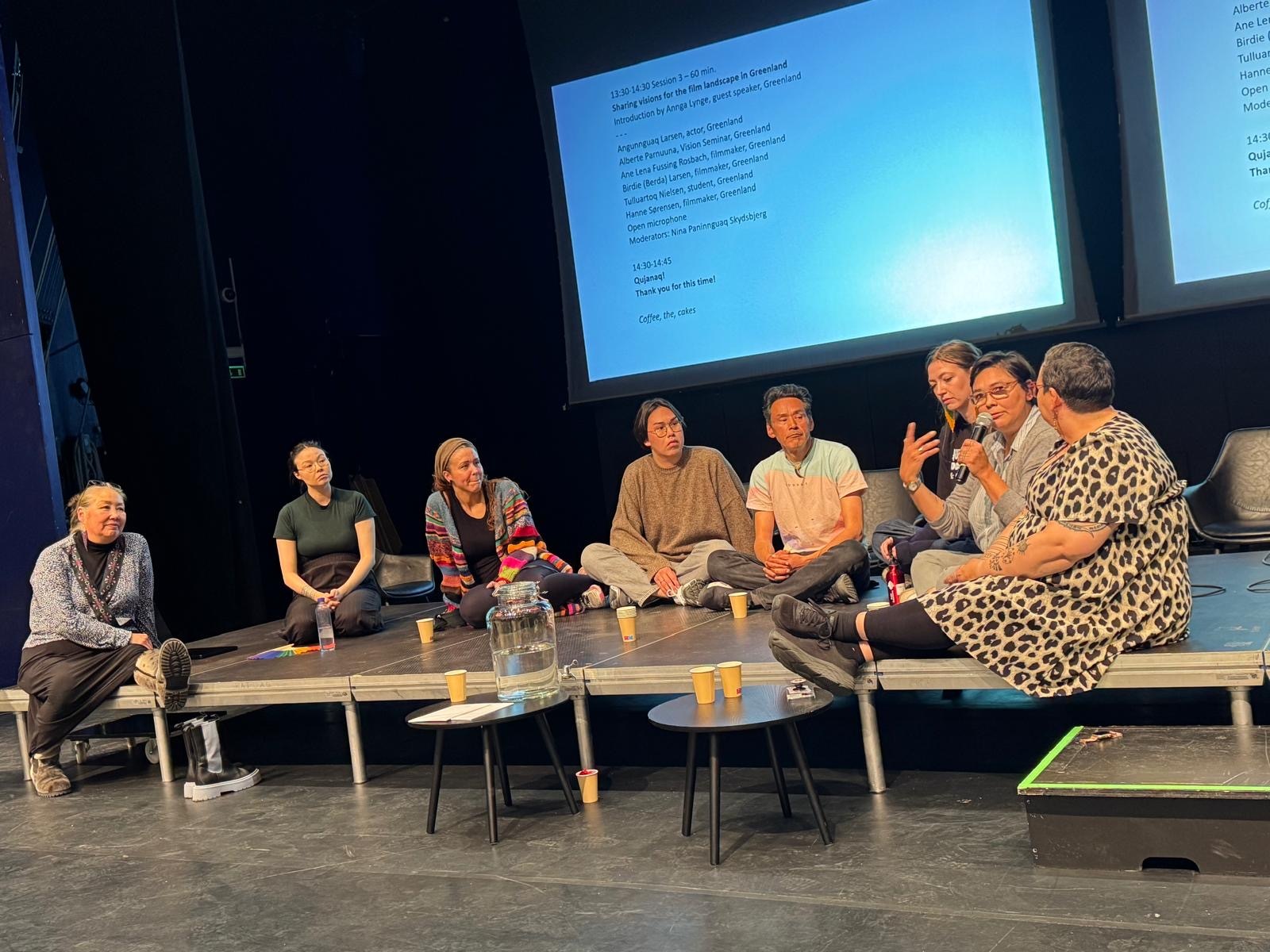
Greenland’s presence at EFM signals a structural shift. With a Greenlandic Film Institute launching in 2026, Film.GL continues to act as an international bridge. Filmmaker and Film.GL board member Inuk Jørgensen sees the new institute led by Inunnguaq Petrussen as transformative: “I honestly think Greenlandic film is heading towards a bright future, and I’m so appreciative of the opportunities that a film institute gives all of us working in Greenlandic film.”

He observes a “thirst for true and authentic Greenlandic stories” that was absent two decades ago. Yet structural barriers remain: no domestic film education, prohibitive travel costs and limited budgets. “Platforms like Toolbox give us the tools to rise above these restrictions, connect, and learn about the larger world.”

Narratively, Jørgensen highlights a deeper cultural divergence. Greenlandic storytelling, rooted in Inuit oral traditions, often privileges community over individual hero arcs. “For us Inuit, the protagonists of the story are the community, the secondary characters.” Adapting to international structures without compromising values is the next frontier: “We shouldn’t change our stories…but we need to become aware of how we can make our unique stories accessible to the international community.”

Seasoned producer Klaus Georg Hansen echoes this insistence on narrative sovereignty. International productions, he argues, cannot authentically represent Greenlandic stories unless Greenlandic filmmakers are involved “from the very beginning” and hold “a decisive and an equal role”. He stresses that control over narratives is part of on-going nation-building in Kalaallit Nunaat.

×
NEWS

“Nothing about us, without us”: Indigenous voices claim space at the EFM

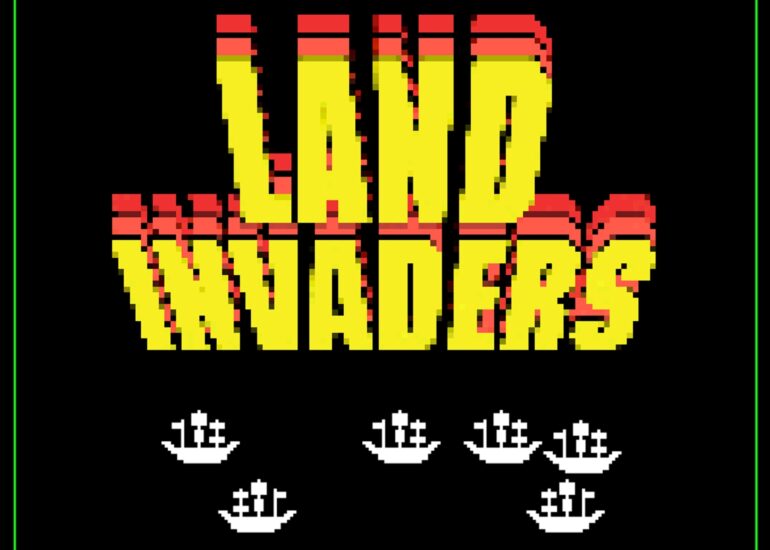
Land Invaders / Photo: Bird x Bird

Beyond film, ICA’s presence also touches new media. In Forum Expanded, Anishinaabe Algonquin creator Cass Gardiner presents Land Invaders, the first video game curated in the section. Gardiner describes the project as an attempt to “dream outside of the narratives of trauma that can dominate our lives”. By reimagining colonialism as “easy to defeat” through arcade repetition, the work reframes Indigenous futurity. She praises the curatorial decision to position the game alongside experimental cinema “not as something gimmicky, but…a piece of art with a POV and distinctive voice”.

Additional Indigenous works at Berlinale include the Wayuu short The Dream of Dance (Jülapüin Yonna) in Generation 14plus, and support for Gail Maurice’s Métis feature Blood Lines in Telefilm Canada’s market screenings, signalling a wider Indigenous presence beyond the Arctic and Nordic sphere.

What distinguishes the 2026 EFM moment is coherence. Through the ICA network - spanning Sápmi, Kalaallit Nunaat, Turtle Island and beyond - Indigenous filmmakers are not merely selected; they are strategically embedded in market mechanisms, co-production forums and institutional conversations. The emphasis, repeatedly articulated in Berlin, is clear: access must go hand in hand with authorship, and global circulation must not come at the expense of narrative sovereignty.

RELATED POST TO : FESTIVALS / NORDIC INDUSTRY NEWS / NORDICS