Subscribe to newsletter

Get the latest film & TV news from the Nordics, interviews and industry reports. You will also receive information about our events, funded projects and new initiatives.

Nordic location scouts balance spectacle, budgets and fragile landscapes

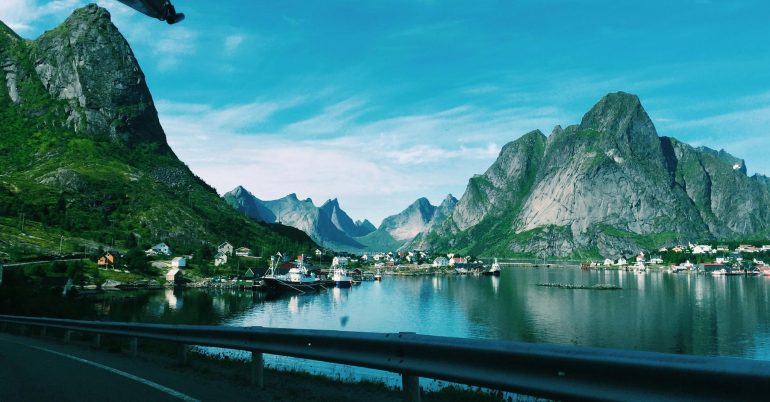
Lofoten, Norway / Photo: Julie Aagaard, Pexels
×
NEWS

Nordic location scouts balance spectacle, budgets and fragile landscapes

Lofoten, Norway / Photo: Julie Aagaard, Pexels

The region remains a magnet for international productions, but scouts say the job now depends as much on negotiation and protection as on discovery.

For international producers, the Nordic region still promises long summer days, snow, forests, lakes, fjords, old cities, and landscapes that can feel untouched or extraterrestrial. But for the scouts who turn them into shootable locations, the work is less about scenic discovery than negotiation, translation and local knowledge.

Across the region, the profession is largely learned on the job. Finland’s Klaus Hedström started in 1990 after assisting on two productions, and says that, in his country, “there are no formal schools for scouting or location management, so people usually learn by doing.” Denmark’s Rasmus Rise moved from receptionist to runner, production assistant and then location scout/manager. Sweden’s Rickard Molin grew up in a film family, whilst Cecilia Minamizen entered through film-work education. In Iceland, Bui Baldvinsson says location work became unavoidable while servicing international shoots, and Birkir F. Einarsson sees guiding as one gateway into the job.

The shared picture is of a craft with few formal gates, but high practical demands. Hedström explains the work “may look easy, but it rarely is”. Molin is more cautious: “To be honest, I would probably not recommend entering location scouting today.” His concern is the economic reality around the business. If someone insists, he says, social competence is essential, along with the ability to understand people and what the creatives are trying to create.

The main challenges vary, but most are tied to access, time and money. In Sweden, Molin points to budget and timeframes, while Per Kjellin names difficult locations such as hospitals, prisons and airplanes. Minamizen says trust has become harder to win, especially with homeowners worried about fake identities. In Denmark, Rise sees a growing bureaucratic layer around offices, schools and hospitals, now mediated by communication departments and lawyers. The result, he says, is a system where “it’s probably easiest for everyone to say no thanks to filming”.

Finland’s problems are equally practical. Hedström notes that urban renewal has made rougher or older metropolitan environments harder to find, while guaranteed snow may require travel far north. In Iceland, weather and distance dominate. Baldvinsson points to short winter days, road closures and remote locations requiring 4x4 convoys, guides and contingency plans. Birkir adds that costs have risen sharply as Iceland’s profile has grown. “The landscape itself is still completely unmatched,” he says, but that uniqueness now comes with a higher price tag.

×
NEWS

Nordic location scouts balance spectacle, budgets and fragile landscapes

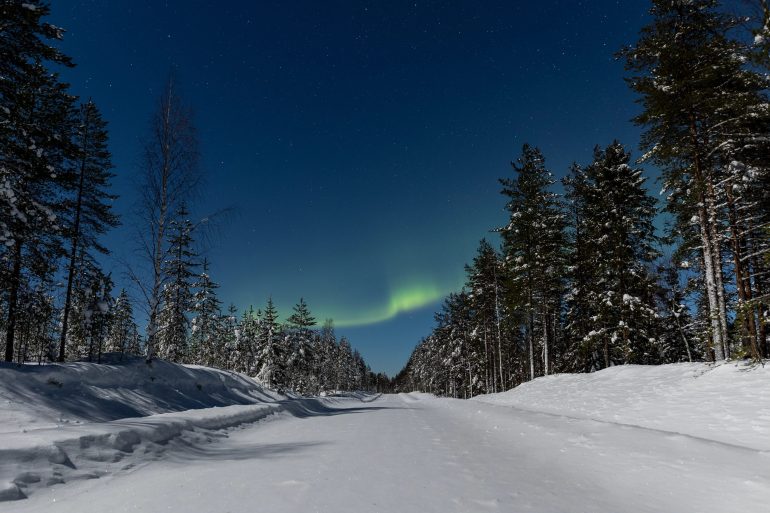
Lapland, Finland / Photo: Jamo Images, Pexels

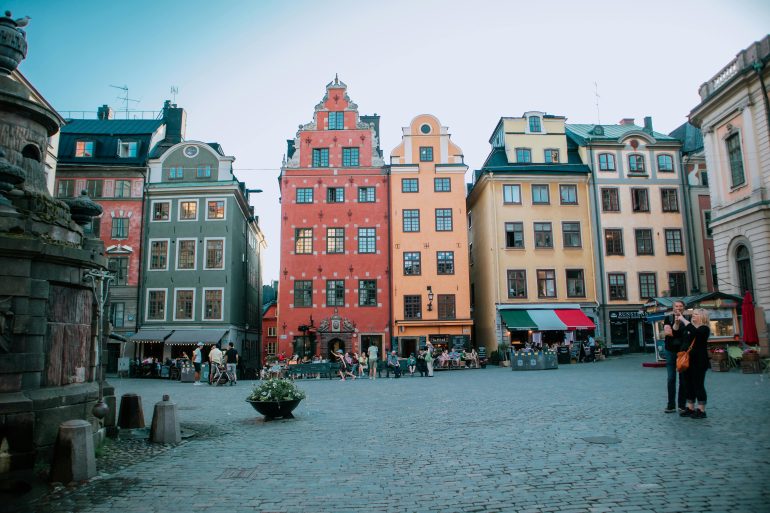
The busiest hubs reflect the balance between looks and infrastructure. Stockholm remains central in Sweden, though the west coast, Skåne and the north are attractive. In Finland, Helsinki and Lapland are the obvious poles. Denmark remains strongly Copenhagen-centred, while FilmFyn has helped develop Funen. Iceland’s main draw remains the South Coast around Vík and Jökulsárlón, Reykjanes, Reykjavík and the Highlands.

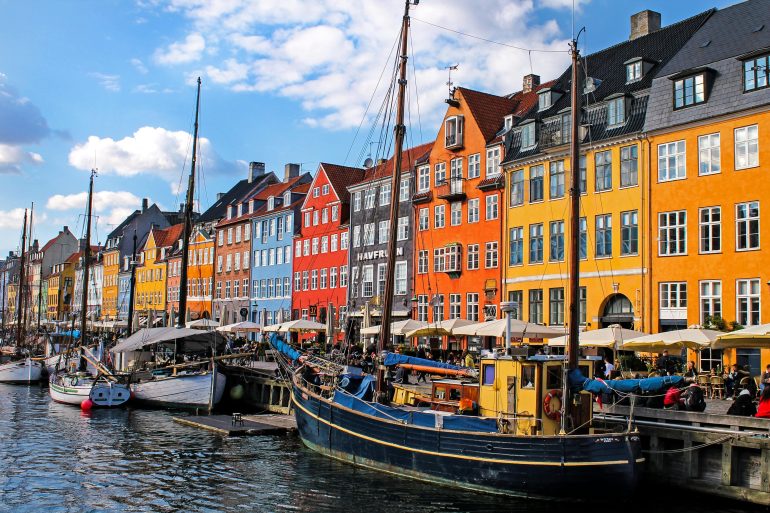
For international productions, the appeal remains considerable. Sweden offers preserved cities, old townscapes and forests. Finland has lakes, archipelagos and sparsely populated areas. Denmark offers short distances, with country, city, modern urban architecture and historic buildings often close together. Iceland offers glaciers, volcanoes, black sand, lava fields, and highland deserts in compact form. Scouts also mention fluent English, strong crews and low-hierarchy work cultures.

Yet the same qualities that attract productions can complicate them. Danish public and semi-public spaces are strongly protected, with residents’ interests highly valued. Iceland’s protected landscapes impose strict limits, and both Baldvinsson and Birkir underline the importance of local partners who understand landowners, permits and environmental rules. Baldvinsson warns against “Fixer” websites that claim to service Iceland without real local knowledge, saying the wrong partner can damage budgets, landowner relations, and the reputation of serious local companies.

×
NEWS

Nordic location scouts balance spectacle, budgets and fragile landscapes

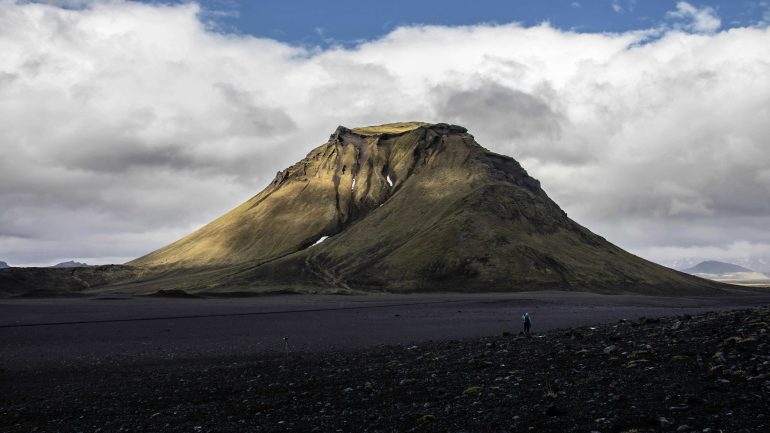
Hattfell, Iceland / Photo: Jedrzej Koralewski, Pexels

Preparation methods differ, but all begin with interpretation. Molin describes briefing, archive searches, live scouting, and presentation. Hedström starts online before confirming what is actually there. Minamizen reads the script, studies mood boards, walks the area, builds local contacts, and presents travel time, access, parking and costs. Birkir says the first task is understanding what a production really needs: “A director will say ‘a remote glacier’, and what they mean might be ‘a place that feels emotionally isolated’.”

Creatively, scouts translate dream into delivery. Rise says a Hollywood reference often has to be converted into something “Danish” rather than copied literally. Hedström puts the image first and solves logistics afterwards, while Molin favours transparency about budget and schedule. Minamizen’s rule is strict: “Never leave/show a proposal if it’s not totally cleared with location owner/owners, even if it matches all they have dreamed of.” Birkir presents a spectrum: the dream location, a less complex alternative, and a weather-proof pivot.

×
NEWS

Nordic location scouts balance spectacle, budgets and fragile landscapes

Copenhagen, Denmark / Photo: C1 Superstar, Pexels

Requests remain broadly similar, though references shift with global hits. Rise remembers periods shaped by Sleepy Hollow, True Detective and now Severance. Hedström reveals directors now arrive with more specific online references, making the job more demanding because obvious places may already have been found. In Iceland, Birkir sees a move away from pure spectacle towards intimate, lived-in places where the human story sits inside the landscape.

All in all, the future looks resilient, but fragile. The Nordics are still visually rich, reliable and internationally legible. But the work increasingly depends on budgets that allow proper scouting, owners who still trust film crews, authorities willing to cooperate, and scouts able to protect the places they reveal.

×
NEWS

Nordic location scouts balance spectacle, budgets and fragile landscapes

Stockholm, Sweden / Photo: Pham Ngoc, Pexels
RELATED POST TO : PRODUCTION / NORDIC INDUSTRY NEWS / NORDICS