
United by a shared philosophy, Nordic broadcasters are rejecting the "rabbit holes" of big tech: Editorial judgment remains supreme.
Across the Nordics, public service broadcasters are quietly redefining their relationship with technology. Faced with the dominance of global streaming giants, organisations like Denmark’s DR and Sweden’s SVT are coalescing around a unified strategy: the rejection of commercial algorithmic logic in favour of a model that serves the citizen, not just the consumer.
The consensus is clear: to remain relevant without losing their soul, public broadcasters must stop renting their relationship with the audience and start building their own infrastructure, one where the algorithm is a tool for democracy, not just retention.
A new metric: "intentional friction"
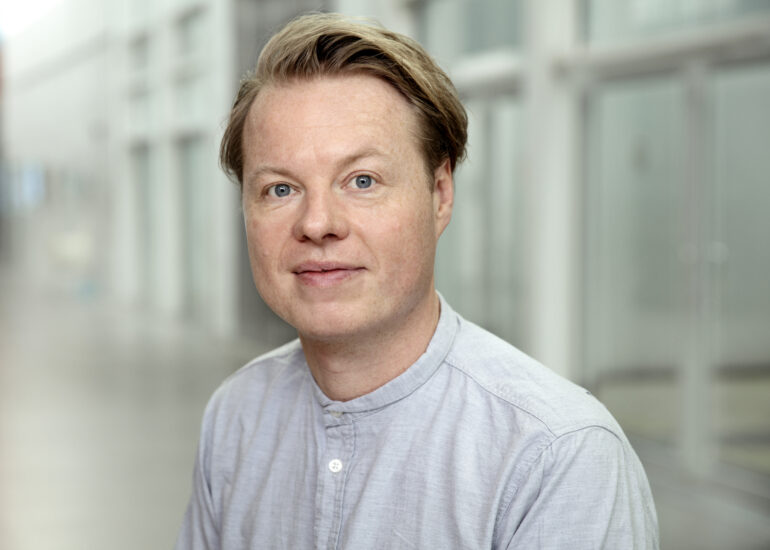
The practical application of this philosophy was recently unveiled by DR. In a presentation detailing their digital future, CEO Bjarne Corydon, alongside Head of Publishing Peter Rosberg, outlined a strategy that deliberately contravenes standard industry metrics.
While commercial platforms optimise for "time spent", keeping users glued to the screen for as long as possible, DR has introduced the concept of "intentional friction”.
The goal is no longer to squeeze every available minute out of a user’s day. Instead, DR’s algorithms are tuned to prioritise genre variation. They aim to challenge users, serving them content they "did not know they would want", mixing lifestyle with history, and culture with current affairs.
This approach ensures that while algorithms manage the scale of the catalogue, editorial judgment remains supreme. The platform’s most valuable real estate, the top carousel, remains strictly under human editorial control, free from personalisation. Similarly, sensitive categories like news are shielded from algorithmic curation to ensure impartiality, a critical safeguard during democratic events like municipal elections.
"Building bridges"
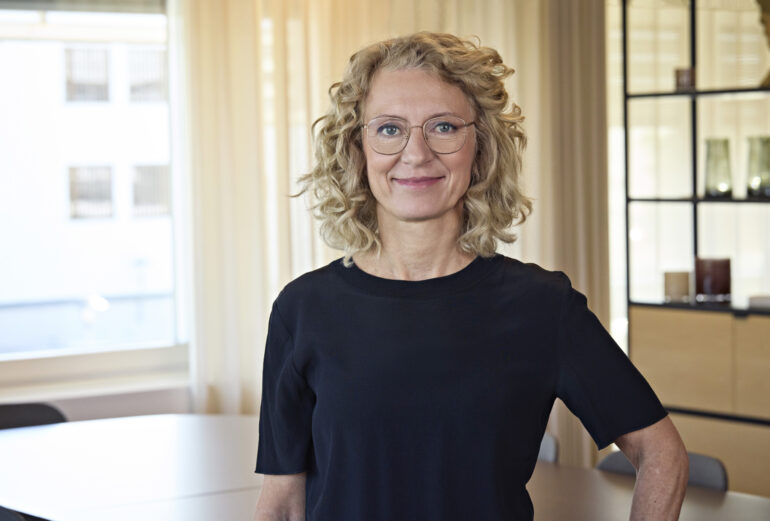
This operational shift in Copenhagen aligns perfectly with the strategic message delivered recently in Aarhus. Speaking at the THIS! Conference, Naja Nielsen, Media Director at SVT, provided the ideological "why" behind this Nordic shift.
Addressing the gathered industry professionals, Nielsen was blunt about the dangers of relying on external platforms. She argued that the design of dominating algorithms is fundamentally commercial, and, by definition, misaligned with public service interests.
"Their algorithms will never, ever, ever think about what is best for Sweden. That is not what they're here to do," Nielsen told the audience in Aarhus.
She contrasted the "hyper-personalised rabbit holes" created by platforms like TikTok and YouTube with the Nordic ambition. Where commercial tech isolates, public service must use technology to "build bridges to get people to meet each other, to have a conversation with each other”.
The imperative of ownership
The strategy both at DR and SVT converge on a single, inescapable truth: innovation requires data independence.
Nielsen emphasised that broadcasters cannot innovate if they cannot learn from their users, something that is impossible without first-party data. This validates the difficult decisions already made by broadcasters, such as DR’s implementation of mandatory logins. It is a move designed not just to gather data, but to "listen" to the entire population rather than just the vocal few.
For Nielsen, this is also a matter of public education. A core task for modern broadcasters, she noted, is to demystify these systems for citizens, especially young people who often do not understand why their feeds look the way they do. By building and explaining their own algorithms, Nordic broadcasters hope to ensure that the digital future remains a public space, not just a commercial marketplace.