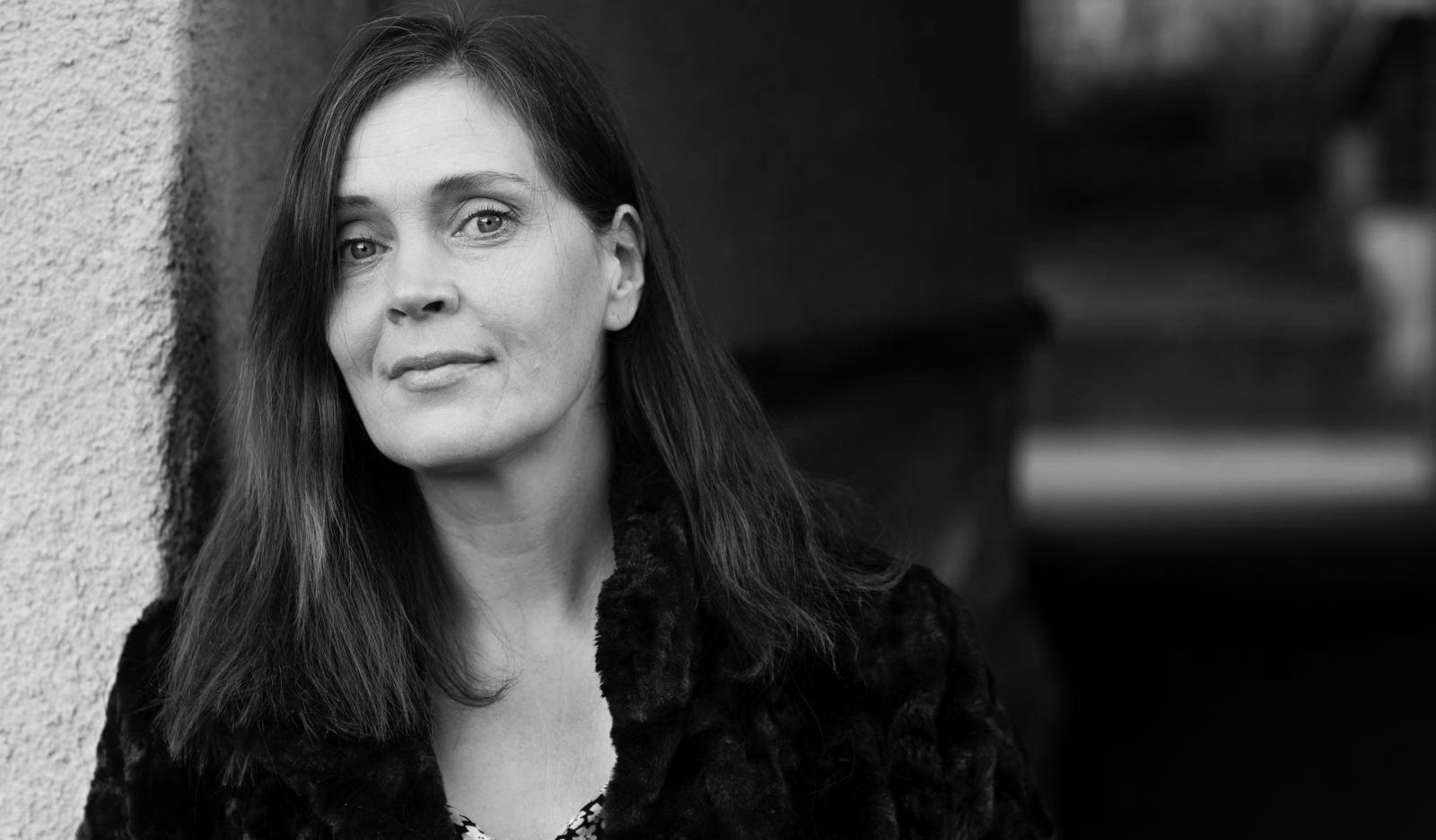
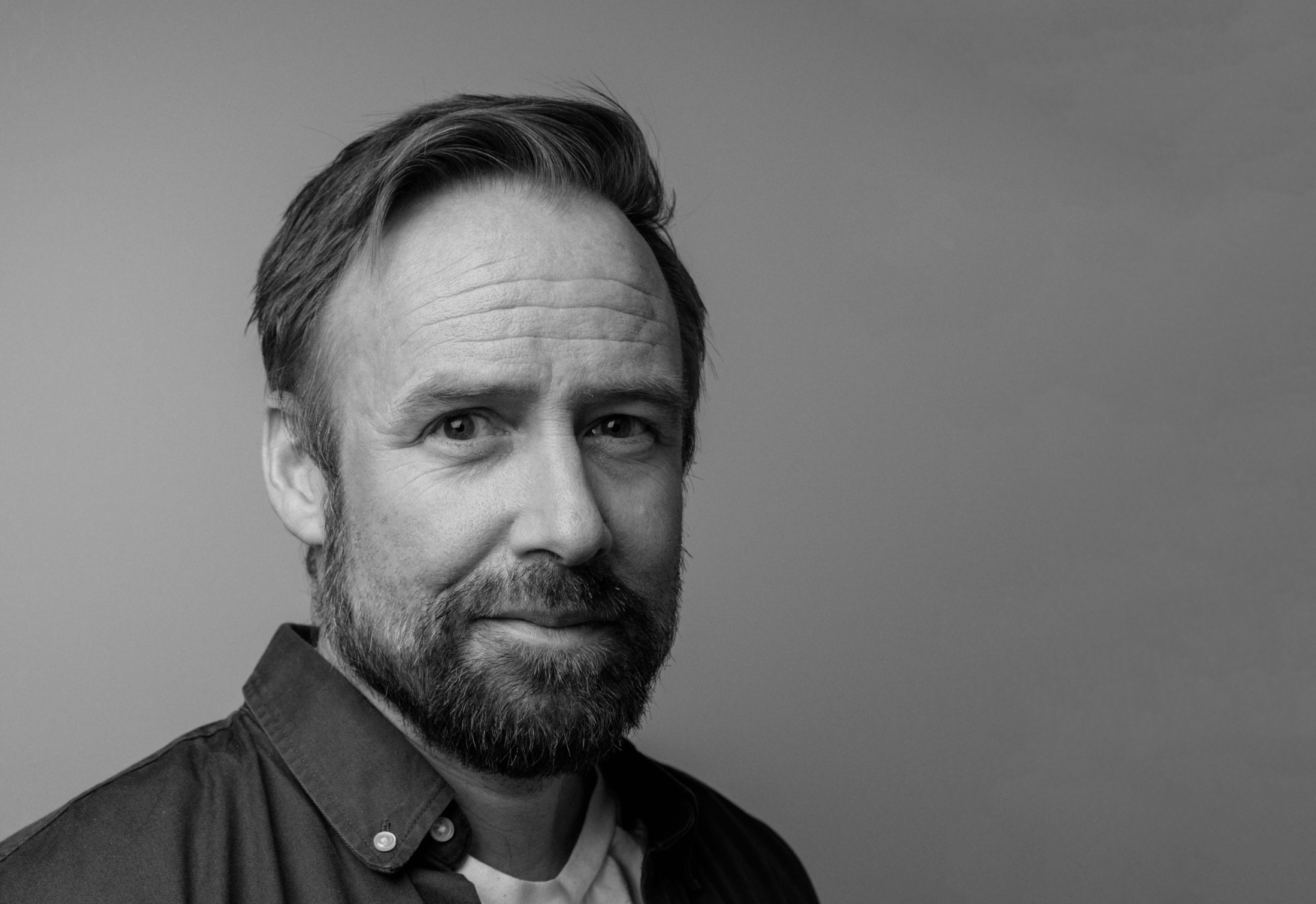
“It’s important for me to have some humour and tenderness in all that I write. No matter what darkness and pain, I will want to sneak light into it. And this is mainly done through the characters.”
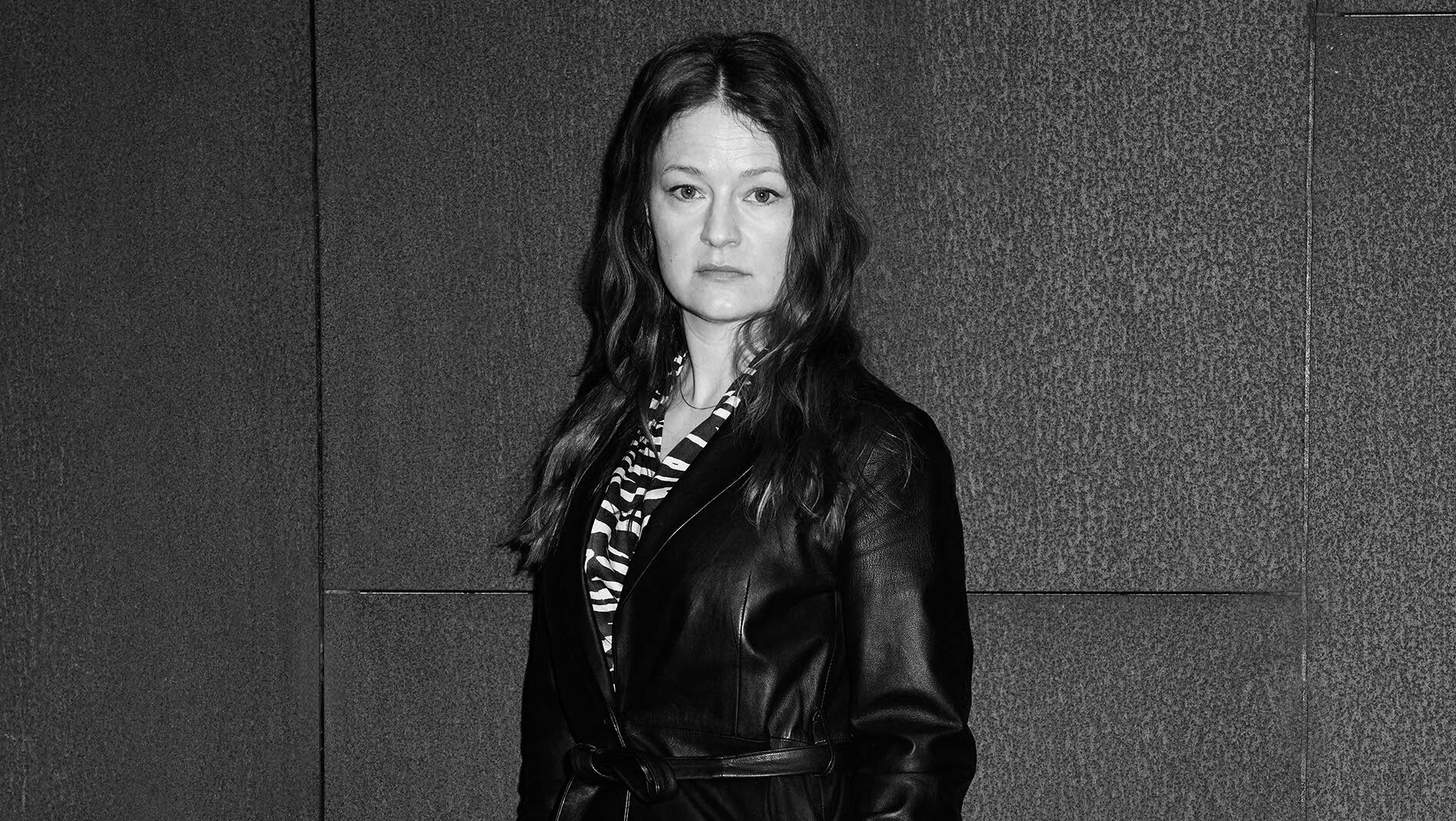
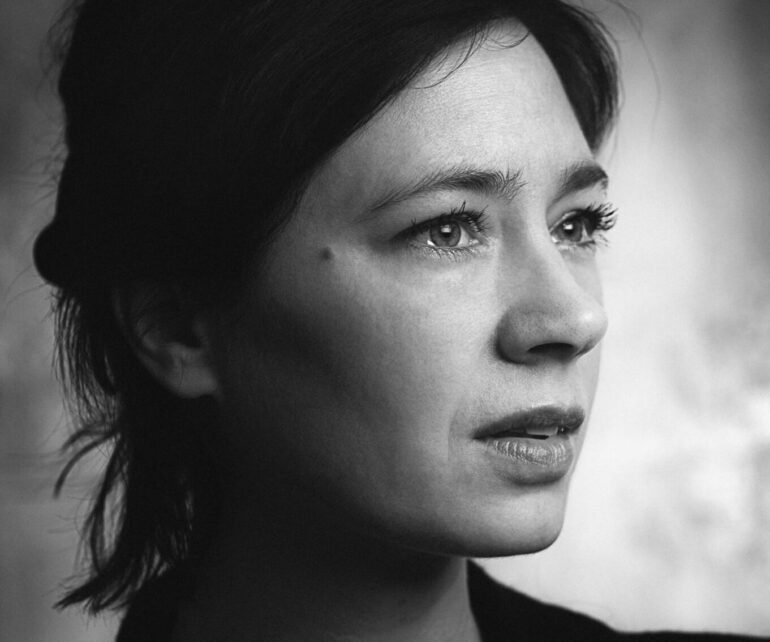
Swedish writer Karin Arrhenius is nominated for the Nordic Series Script Award 2026 for the four-episode drama series My Brother (Jag for ner till bror).
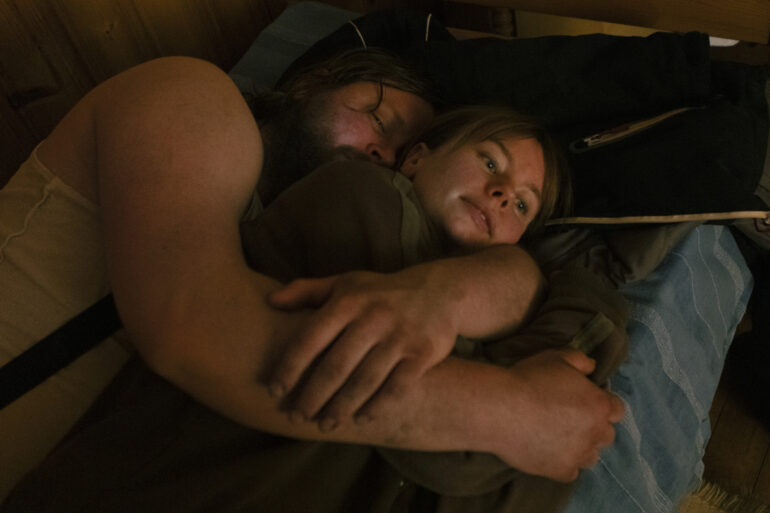
The series follows Jana Kippo, who returns to Smalånger to help her alcoholic brother, only to fall in love with a man suspected of killing his wife – the very woman who was her brother’s great love. As she gets more involved, she needs to confront her own past and memories she has long buried.
My Brother premiered on SVT on December 26, 2025, and is produced by Filmlance International.
When and how did you become a scriptwriter?
I don’t really know how it happened. I was never really a person who planned for things to happen. But there was always some kind of voice or storyteller in me. It’s not so much about making things up, but more about observing and being fascinated by what I meet and what’s around me, and then putting it into stories. I also did a lot of photography when I was young, wanting to capture things around me. After early university studies, travelling and working, I went on to film school, and soon found my way into writing for film. And then I could not stop.
What inspired you to dramatise Karin Smirnoff’s novel and its characters?
I had not read the book when I was asked to dramatise it. So I read it, and I found a lot of drama and intensity in it that I was triggered to work with.
How did you work with the material and the structure of the series?
It was really about reducing. There is a huge amount of darkness and misery in the book, and many incredible relations and stories between and within the characters. These are things that can work well in a book, but I could not have them in the script, it would just have been too much. The structure is based on slowly exposing the memories and mystery around and within Jana, to let it play out as the story unfolds when Jana returns and meets people and places from the past. Of course in combination with the growing drama here and now.
I also made quite a few changes with the characters. But the reductions, changes and additions were not made to change the book. On the contrary, to try to somehow keep the core of it. It may seem contradictory, but moving away from the book can be a means to get into the soul of it. Also, the book contains multiple and contradictory perspectives - which need to be chosen from and given shape. I worked a lot with the dialogue to somehow translate the book’s very specific language into the series. And to be very sparse with dialogue.
What theme became most important to you during the process?
That there is a crack in everything. That’s how the light gets in. Like Leonard Cohen puts it.
When you write suspense stories, how do you balance darkness and hope?
It’s important to me to have some humour and tenderness in all that I write. No matter what darkness and pain, I will want to sneak light into it. And this is mainly done through the characters. In the end, good drama is about characters, about people. And people are funny, weird, longing, wanting, caring, curious. They are always interesting somehow. I want to let that come through, in glimpses at least. I work a lot with characters.
Once the script was greenlit, how did your work continue during production?
There was some more work to be done on the script after greenlight, things that needed adjusting as production, locations, casting etc. proceeded. It’s a moving and changing mechanism. Once shooting started, I watched dailies, and later I followed the editing process. But on the whole, I really leave the ship once the director takes over. To me the director’s job is the great big thing, no matter how hard and long I worked on the script. And I am happy to hand the story over and not interfere. But of course I follow it, and support if wanted or needed.
How did you collaborate with the series’ director Sanna Lenken?
It was quite a long writing process. I first worked with another director that had to move on to film another project, then I worked by myself for the producer, and then Sanna Lenken came on. We hade a creatively very good collaboration. Sanna is clear, smart and smooth. It was constructive and great to work with her in every way.
What was your biggest learning from the project?
Like always, that it takes a lot of work. It takes a lot of work to make it look simple. Also, that you should not underestimate the audience, you can trust that they understand and follow the story even if you don’t explain things so distinctly.
The last few years have been quite tough for the drama series industry. How would you describe the current situation in Sweden?
I understand that the situation is tough for all parts. I hope it will be better soon.