Written by: Ulrik Bolt Jørgensen
12.11.26
A high-level pan-Nordic working group, appointed by Nordisk Film & TV Fond, has delivered five recommendations to Nordic ministers aimed at strengthening the Nordic audiovisual sector.
Following a mandate from the Nordic Council of Ministers, Nordisk Film & TV Fond appointed a high-level expert group to examine the current downturn in audiovisual demand and identify possible joint Nordic responses. The working group was chaired by Arne Helsingen (Secretary General, Nordvision) and comprised Gísli Snær Erlingsson (CEO, Icelandic Film Centre), Katrine Vogelsang (CEO, Nordisk Film Production), Lars Wannebo (EVP Distribution, SF Studios), Laura Kuulasmaa (Executive Director, Audiovisual Producers Finland), and Morten Fisker (Head of External Productions & Rights, TV 2 Denmark).
The group's task was to develop recommendations for discussion with Nordic Ministers of Culture. To provide a robust factual foundation, Nordisk Film & TV Fond commissioned Oslo Economics to map the Nordic audiovisual ecosystem and assess current market developments. The resulting analysis serves as the baseline for the recommendations, which address public funding, incentives, market coordination, European engagement, and distribution.
Ambition and market reality: Responding to the “demand crash”
The project’s central ambition is to preserve and strengthen the quality, linguistic diversity, sustainability, and international reach of Nordic audiovisual works. While Nordic content continues to enjoy strong cultural recognition both domestically and internationally, recent changes in the global market have exposed vulnerabilities in existing production models.
As international streaming services and other commercial commissioners reduced investment in local productions, the Nordic sector experienced a significant decline in demand. This has raised concerns about production volume, employment, talent retention, and the long-term maintenance of technical and creative competence across the region.
The five recommendations
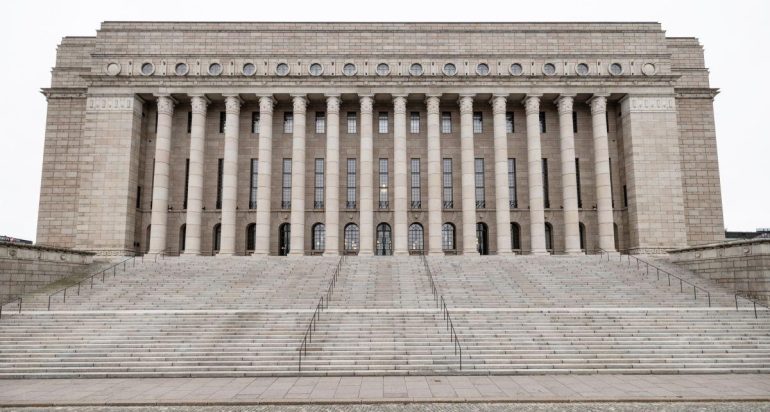
In response, the working group presented five recommendations to the Nordic Ministers of Culture during their meeting in Parliament House, Helsinki on 28 October:
1: Secure stable targeted public funding
2: Harmonise incentive financing
3: Strengthen market coordination
4: Coordinate AVMS policies
5: Form a pan-Nordic EU unit
The working group underscores that stable targeted public funding remains a cornerstone of the Nordic audiovisual ecosystem. The report highlights the important distinction between selective direct grants and broader production incentives, such as tax rebate schemes. Selective grants awarded through professional project assessment are designed to support cultural, linguistic, and societal objectives that market forces alone may not sustain.
Protecting direct grant schemes therefore remains essential to ensuring that culturally significant works continue to be produced alongside commercially driven projects, thereby supporting both diversity and long-term sector stability.
Key findings from the Oslo Economics mapping
The mapping conducted by Oslo Economics identified several structural characteristics of the Nordic audiovisual ecosystem:
- Domestic Focus: Demand for Nordic content remains primarily national. Between 2022 and 2024, approximately two-thirds of cinema attendance for Nordic films occurred within their home markets.
- Concentrated Export Reach: International commercial success is concentrated within a limited number of critically acclaimed feature films, premium drama series, animation projects, and distinctive genre productions.
- Anchor of Public Service: Public service media remain central drivers of Nordic co-production and cross-border circulation, particularly through established frameworks such as Nordvision.
These findings reinforce the conclusion that while commercial markets effectively distribute titles with broad audience appeal, public intervention continues to play an important role in advancing cultural policy objectives and supporting ecosystem sustainability.
Policy coordination and EU engagement among key recommendations
Among the recommendations put forward by the working group is the exploration of a specialised pan-Nordic audiovisual EU function. The report highlights several areas where increased Nordic dialogue and coordination at European level could help strengthen framework conditions for audiovisual production, particularly for smaller-language markets.
The report identifies a number of policy areas where closer Nordic cooperation and engagement at EU level could be beneficial, including:
- AgoraEU (2028-2034) and future budgeting: Ensuring that future European funding frameworks continue to recognise and support the needs of smaller-language audiovisual ecosystems.
- Copyright and AI regulation: Monitoring the implementation and possible future revision of European copyright frameworks, including the Digital Single Market (DSM) Directive, as well as emerging AI-related regulation that may affect rights ownership, remuneration, and the value chain for creators and producers.
- Geo-blocking and territorial exclusivity: The report notes that European audiovisual financing remains closely connected to territorial licensing models and explores how future discussions concerning geo-blocking and territorial exclusivity could affect financing structures, particularly in smaller markets. The working group emphasises the importance of ensuring that any future regulatory developments take these financing realities into account.
- Incentives and market regulation: The working group highlights the potential benefits of greater Nordic alignment regarding financial incentives and platform regulation in order to reduce unintended competitive distortions within the region.
- Incentive schemes and tax rebates: European countries increasingly compete to attract productions through incentive schemes. Within the Nordic region, rebate levels currently vary between approximately 25% and 35%. The report notes that greater coordination may help address unintended consequences, including productions relocating activity primarily for financial reasons rather than creative or cultural considerations.
- AVMS Article 13(2) and streamer levies: The report suggests exploring greater alignment between Nordic approaches to investment obligations and financial contribution schemes under the Audiovisual Media Services (AVMS) Directive. Such cooperation could potentially reduce regulatory complexity and strengthen incentives for investment in local content.
Distribution realities: Existing solutions versus new platforms
The working group also considered proposals for a joint Nordic streaming service, including ideas previously raised in public debate. After reviewing current market conditions, the group concluded that establishing a new pan-Nordic streaming platform is unlikely to represent a realistic or efficient solution.
A new regional streaming service would require substantial public investment and could risk fragmenting audiences while undermining existing rights structures that support international financing and distribution. Unlike services such as BritBox, which operate primarily within a large common-language market, the Nordic region consists of several distinct language areas and relatively small populations.
Instead, the report points to opportunities within existing public and non-commercial distribution structures:
- Public Service Infrastructure: Further development of successful collaborative models such as Nordvision’s N12 drama package and B15 children’s content framework.
- Library and Public Access Services: Increased use and visibility of national library streaming platforms, including Cineasterna (Sweden), Filmstriben (Denmark), Filmoteket and Filmbib (Norway), Cineast (Finland), and non-commercial initiatives such as Kulturbase.no.
- Targeted Niche Distribution Pilots: Testing low-cost distribution models for older catalogue titles and niche content where commercial demand is limited. Examples suggest that advertising-supported distribution can create additional cultural reach even where financial returns remain modest.
Looking ahead
The report ultimately argues that safeguarding targeted public funding, strengthening Nordic cooperation, exploring opportunities for policy coordination, and making better use of existing distribution infrastructure can help ensure the long-term resilience and cultural impact of the Nordic audiovisual sector.
Together, the recommendations seek to provide policymakers with practical tools for addressing current market challenges while preserving the qualities that have made Nordic film and television internationally recognised and culturally significant.
To the to full report: CLICK HERE.
RELATED POST TO :
BUSINESS & SALES
/
NORDIC INDUSTRY NEWS
/
NORDICS