Subscribe to newsletter

Get the latest film & TV news from the Nordics, interviews and industry reports. You will also receive information about our events, funded projects and new initiatives.

Norwegian director Eivind Landsvik has Low Expectations at Cannes

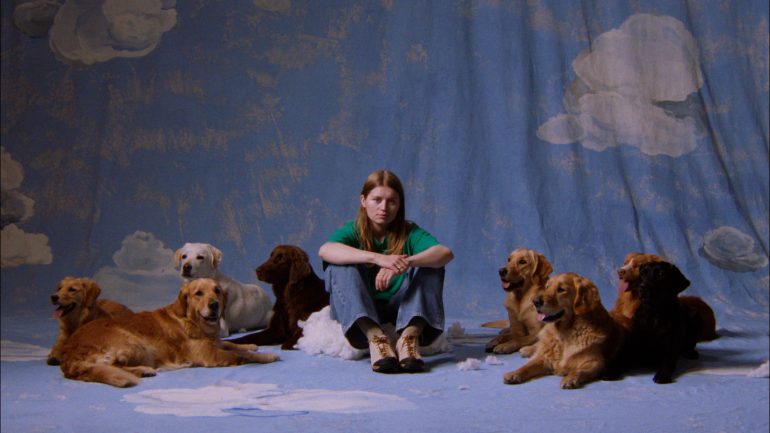
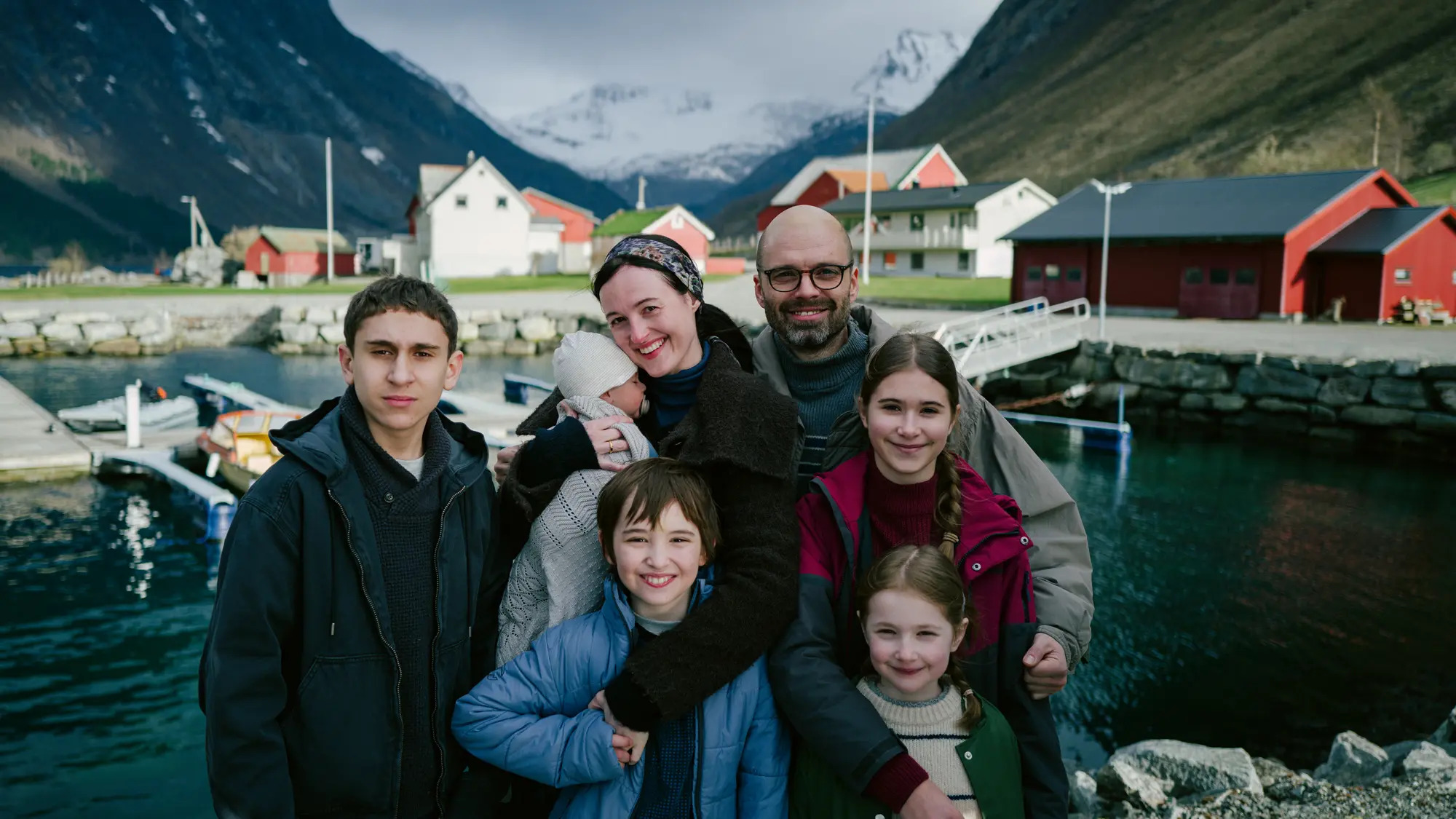
Low Expectations / Photo: Maipo Film
×
NEWS

Norwegian director Eivind Landsvik has Low Expectations at Cannes

Low Expectations / Photo: Maipo Film

With the help of musician Girl in Red, who opened for Taylor Swift on the Eras Tour, Norwegian filmmaker proves that sometimes, failure is exactly what you need.

In this gentle drama – selected for Cannes’ Directors’ Fortnight – Eivind Landsvik enlists the help of singer-songwriter Girl in Red (Marie Ulven Ringheim) to talk about another musician: Maja, who was once famous. Following a breakdown, she’s trying to rebuild her life, working part-time at a local high school. She’s not ready to be seen as a “failure” – nor to accept that her new path has value.

Produced by Maipo Film and co-produced by Snowglobe, it’s sold by Salaud Morisset. It will be distributed by Nordisk Film Distribution, and has been supported by the Norwegian Film Institute, Oslo Filmfond, the Danish Film Institute, Eurimages and Nordisk Film & TV Fond.

Was your film inspired by Girl in Red, or did you simply want to work with a real-life musician?

The script was written before I thought of her, but it felt natural to invite different artists to audition. At first, I thought she might be too young – and probably way too busy. It was the beginning of the pandemic, and then these COVID years just flew by. It’s not based on her life at all, but of course I wanted it to feel authentic. Musicians are performers, too. I thought she had such a strong presence.

You talk about failure, but there’s so much warmth in the story and so much joy to be found in so-called normal life. Why did you want to show this?

I was facing my own fears, and thinking about what would happen if I never got to make a feature film, which was my biggest dream. I wanted to write about an artist who’s forced to realise there’s life outside this dream, too. As you get older and you have already sacrificed so much to achieve this one thing, sometimes you feel you should just start over. We’ve all heard about artists who had that one popular song, everyone said they were going to be the next big thing, and it didn’t happen. It doesn’t happen for most people. Maja had a great opportunity, and now she needs to find out what’s really important.

Do you have any experience from the teaching environment? It’s funny that you bring up that Annie Hall quote: “Those who can’t do, teach. Those who can’t teach, teach gym.”

I did the same job as her (Maja) a few years ago. I was very depressed and needed money, and it was a humbling experience. But it was inspiring, because I had made films with young people before. I got to sit in a room and just watch them trying to get through a test that probably felt like the most important thing in the world to them at that moment. Also, in Norway at least, many people working in the arts end up as teachers when they give up or don’t want to chase their dream anymore.

I’m a big fan of The Breakfast Club. She’s an outsider who just observes these kids and it helps her connect with her own past. It gives her time to reflect and think, forcing her to consider the life she’s been living and what she wants to do. For me, it was just a temporary job for a couple of weeks during the exams. It was a pivotal moment, because it enabled me to make this film. But the opposite could have happened as well. If I hadn’t had this extreme desire to make films, maybe I would have just given up?

×
NEWS

Norwegian director Eivind Landsvik has Low Expectations at Cannes

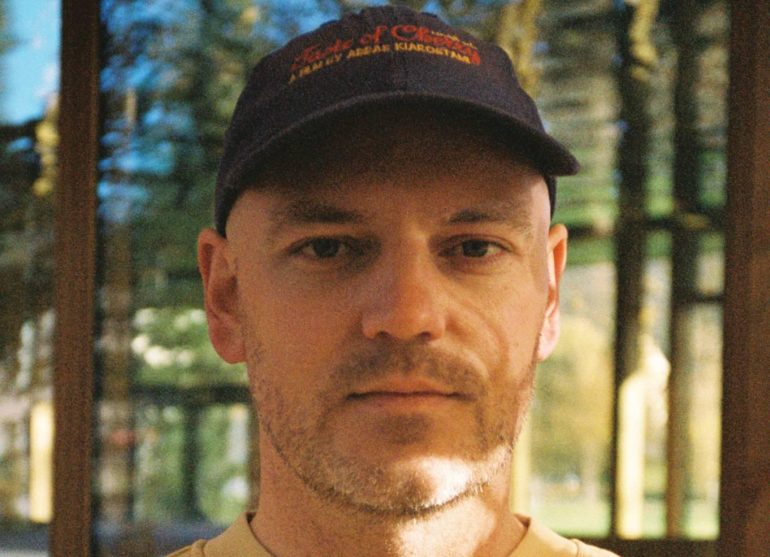
Eivind Landsvik / Photo: Emma Šukalić

You ended up representing the Nordics at Cannes this year. Does that put extra pressure on you?

I feel under pressure just because I’m premiering my debut film at this festival. It has been a longtime dream, so that’s the pressure. I mean, my film is called Low Expectations (Lave forventninger), so I don’t feel under pressure to go big. Marie is a way bigger artist than the artist in the film, so people might assume this film will be different, but these festivals can showcase big films with big stars and smaller ones that not everyone sees. It’s a win-win situation for everyone.

I know you are just warming up as a filmmaker, but you’ve created such a welcoming universe here. Is this your manifesto? So many arthouse films are relentlessly grim.

I think so. The film is about depression, but it’s more heartbreaking to watch someone walking around in beautiful springtime Norway, surrounded by kind people, and not being able to enjoy this beauty and this kindness. It’s somehow more devastating.

I almost see this as a “hangout film”. I love them. When you’re going through a tough time, it can be easier to open up to strangers. She doesn’t really keep in touch with her friends. She doesn’t want to see them – she doesn’t want to meet anyone. But then she’s reminded of how important human interaction can be in everyday life, and I really think most people are kind. You might never see them again, but these exchanges can be very meaningful.

Lost in Translation was a big thing for me. I saw it when I was probably 15 or 16, and it was a real eye-opener. I understood that a story could simply be about the magical meeting of two people, and that would be enough. The conflict can exist within the characters themselves. I’m very inspired by Éric Rohmer and Mia Hansen-Løve, or Hirokazu Koreeda, who has another film in the main competition this year. They tell everyday stories about people living their lives, but their films still have so much atmosphere and sensitivity. Dazed and Confused is, of course, a huge source of inspiration as well. You’d like to live in these films.

Was it difficult to make an artist the main character in a film? It’s always tricky to show them creating.

I think the most difficult part was answering this question: Are we going to hear her music or not? We decided not to focus on that, because it would have been unfair to the character. You might judge her subjectively based on your musical taste, which could prevent you from empathising with her.

Also, this film is not about her career. I don’t think it’s about whether or not she’s going to return to music. It’s about her “making it” in life in general and her relationship with the person closest to her. Still, it also felt important to show that she still gets inspired and creates things, because she has that drive. I don’t think she’s someone who has ever chased fame. In the past, you’d become famous for what you did. Now you can just become famous. Many young people pursue this, and it just seems unhealthy. Maja started making music because she had a desire to create. This can take over your whole identity and make it difficult to remember who you are. A very important scene in the film is when she plays the piano by herself. It feels even more powerful if you haven’t heard any of her songs before. That’s what I love about art: It provides comfort. She needs to find comfort in her art again, rather than succumbing to the pressure of success.

RELATED POSTS