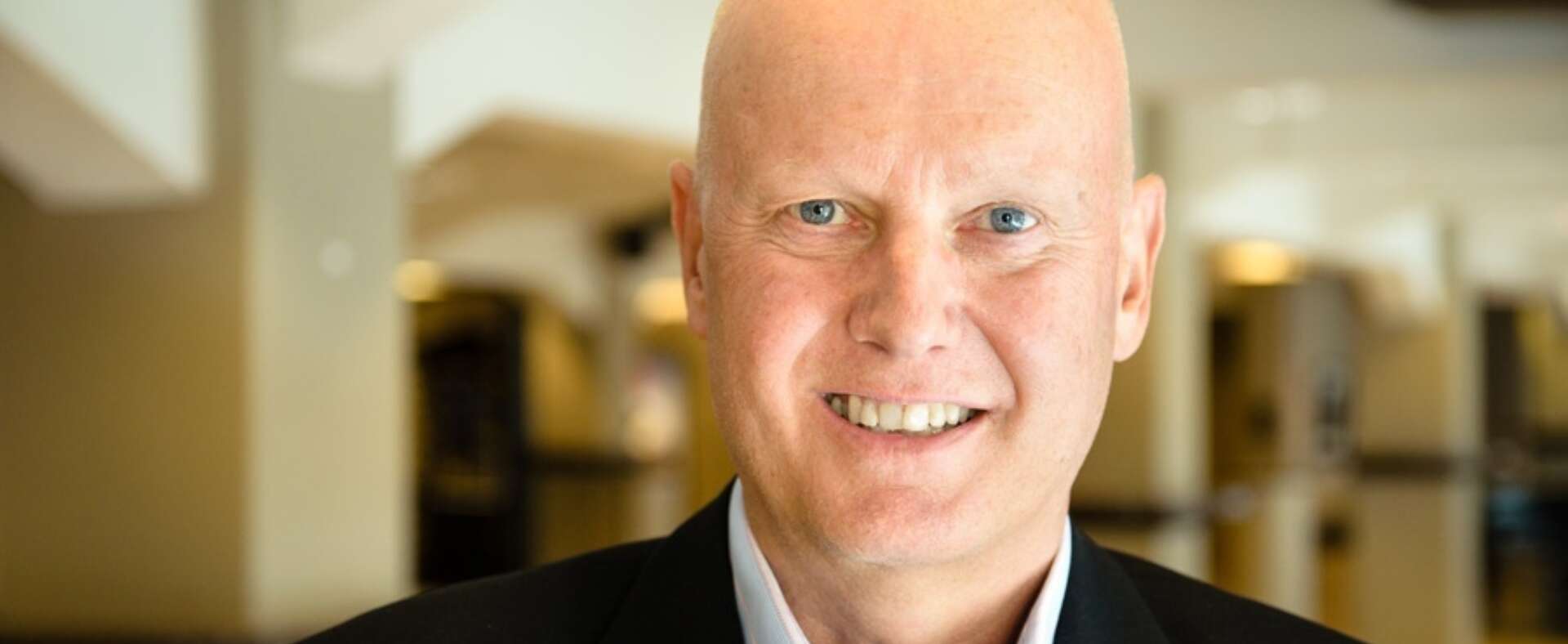
With the White Paper being implemented in 2017, the boss of the NFI reviews the current state of the film industry and outlines upcoming changes.
You are at the head of the Norwegian Film Institute (NFI) since 2013. What has been the most challenging for you as you came from the publishing industry?
Sindre Guldvog: I had been sitting on the board of various film companies, such as SF Norge and SF Kino, and I was familiar with parts of the industry. Getting to know and understanding the overall film industry, as well as the corporate governance of a public company instead of a private company, have nevertheless been a new experience.
I was familiar with management leadership, I have worked within this sphere my whole life. With my experience in publishing, I was already familiar with an activity that combines art and commerce.
2016 had a good kick off with general admissions up 12.5% compared to 2015 and Norwegian films posting a 14% market share against a low 3.4% in 2015. How does the rest of the year look like? Do you expect NO films to reach the 24-25% target set by the government?
SG: First of all, the market share in the spring varies very much from year to year and it is usually much lower than the second part of the year as many film professionals keep the more mainstream films for the autumn.
That said, the figures for Norwegian films for this spring are the second highest in the past 5 years. We have very high expectations for this fall, and cinema managers share our thoughts. We have a good chance to reach 23-24% year-end market share.
What trends have you noticed in the types of films that are made and the way they are financed?
SG: There is an amazing range of films being made for different audiences. Regarding financing, producers are increasingly looking outside for co-financing and on an average budgets are split 35/65 between public and private funding before release. There are more private investors involved in complex financing models, and the industry itself is more professional in raising financing outside the traditional public support system. In addition, the producers can also receive ex post Support, which combined with the production support ads up to an average of approximately 50% public support of the production cost.
The government urges the industry to look for new models of financing to counterbalance the loss of revenues from the DVD market. What is the NFI’s action plan to continue to create the best public framework in a shifting environment?
SG: This is a complex question. Every country in the world is struggling with this situation. What we are trying to do is open up negotiations with new OTT players, so that hopefully they will take part in the exploitation chain of film and inject new cash into local production. This is a slow process as they are quite reluctant to contribute. But we are hopeful.
Could you detail the key changes in the support system that will be introduced within the next few months as part of the White Paper on Film?
SG: The White Paper will be implemented in 2017. There will be three key changes: we will introduce platform neutrality, cut down the red tape to ease the application process, and create a fast track scheme for producers’ and directors with a good track record to achieve sustainability and continuity.
I’ve heard that the NFI wants to cancel slate support. Isn’t this a good way though to maintain continuity?
SD: We have limited funds. Therefore we will close our slate funding for production to focus on producers and directors’’ track records both commercially and artistically. We will keep and strengthen our development slate funding.
Besides Norwegian films and filmmakers that have a greater export potential, TV drama is also enjoying a boom worldwide. What share of the NFI production budget is dedicated to TV drama and will those funds increase in the future?
SG: TV drama represents about 9% of our overall budget [NOK445.7m for production support]. It is very well spent public money as investment from the private sector is high in that area. I can’t give any figures right now, but we firmly believe in the sector and will continue to focus on it.
Internally the NFI is also going through a major facelift as it has taken on new responsibilities that used to be the remit of Film & Kino, the cinema organisation. Could you detail those changes?
SG: Indeed as part of the government’s wish to create an integrated national film policy, we are now responsible for ‘filmformidling’ or film dissemination and have therefore changed our Audience department to accommodate these changes.
We administer a new grant scheme with the funds collected from taxes on cinema tickets that will be earmarked towards the promotion of cinema culture. At the same time, we manage grants to support the dissemination of film culture, such as festivals, the cinémathèques, dubbing and film education for children.
Norway has recently introduced new filming incentives for foreign shoots. But many criticise the small NOK45m envelope available, predicting that the incentive will collapse before it even starts to have an impact on the local economy. What are your views?
SG: We want to focus on the positive sides. We have been able to attract very interesting foreign productions [The Snowman by Tomas Alfredson, Downsizing by Alexander Payne] and the results are promising so far. Of course, people can ask for more money or for an automatic scheme, but this is better than nothing! We will evaluate the results and the government will decide whether to increase or not funding to filming incentives.
Last question: what are your views on the Digital Single Market and the EU Commission’s wish to promote portability of audiovisual content?
SG: It’s a complex issue. Filmmakers need effective new ways to reach audiences, whatever the platform. But the industry relies on territorial exploitation of rights to survive. I think the EU has to make adjustments so that the current system can carry on.
RELATED POST TO :
/
NORDIC INDUSTRY NEWS
/
NORWAY