Canneseries wraps with top awards to Yle’s Guts and SVT’s Summer of 1985
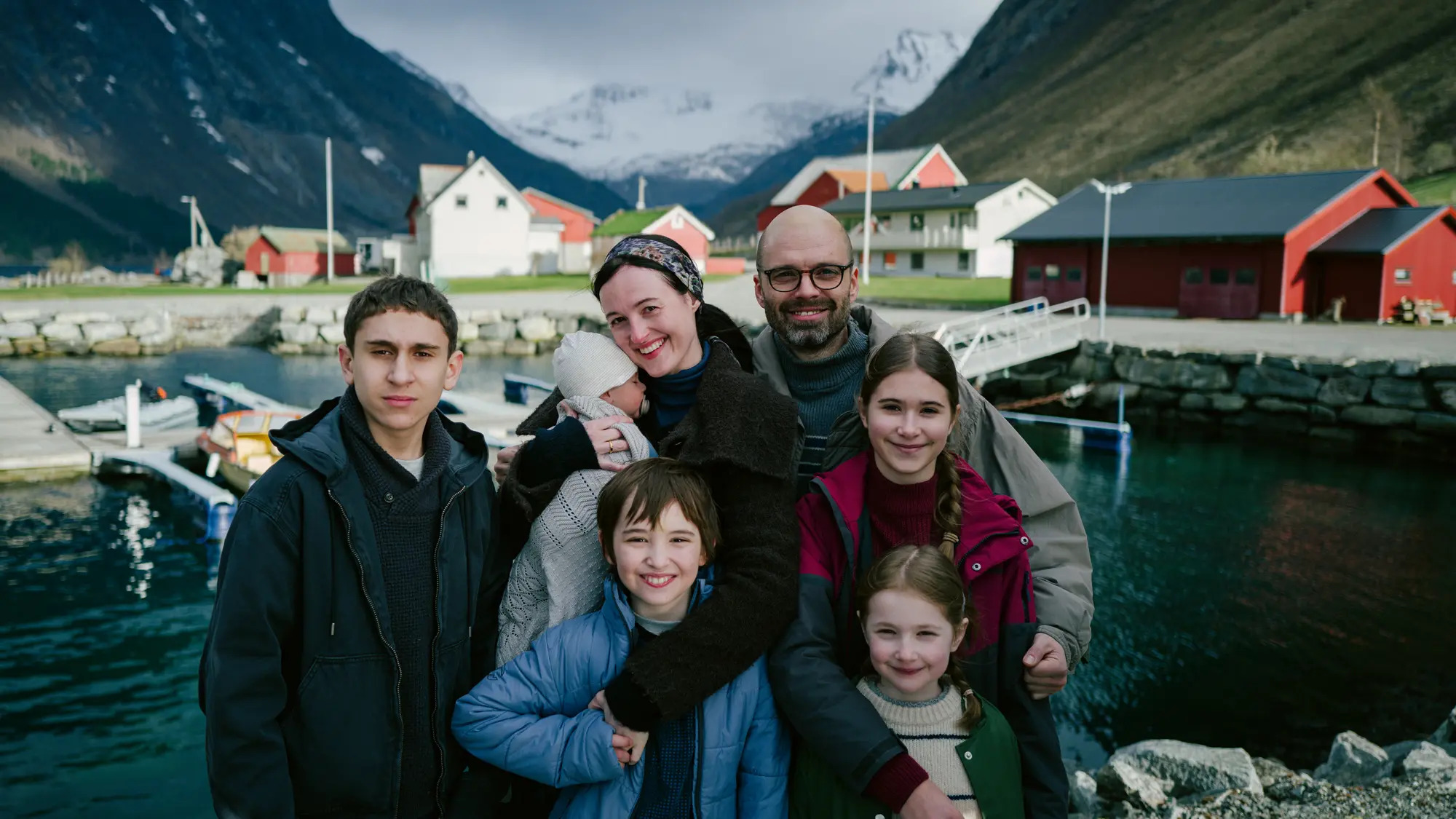
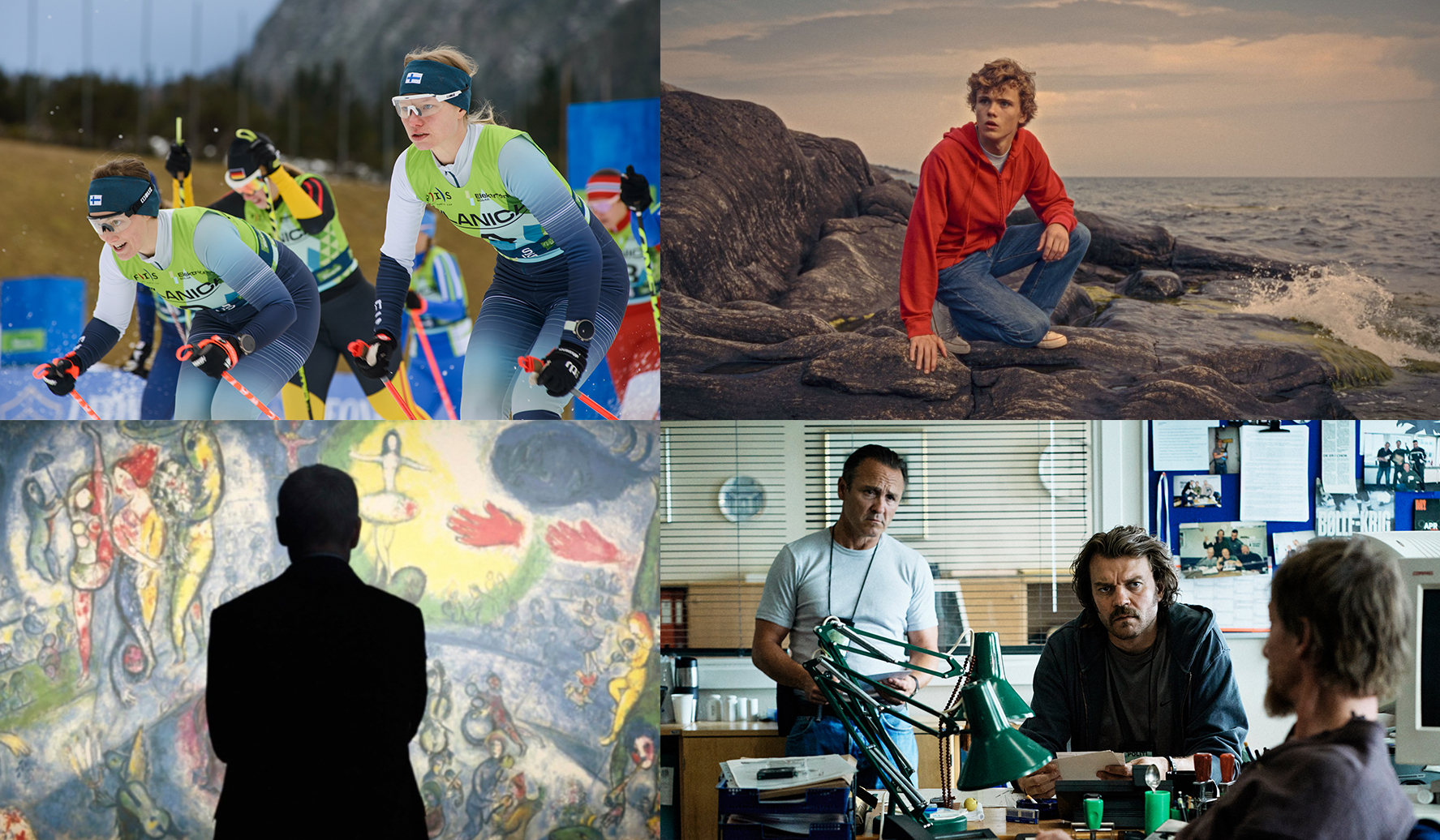
With six series in the official programme, the Nordics confirmed their strong international pulling power and unique relationship with the highly curated series festival.
Finnish actor, awarded for Guts, wants to see bold and brave choices in TV shows.
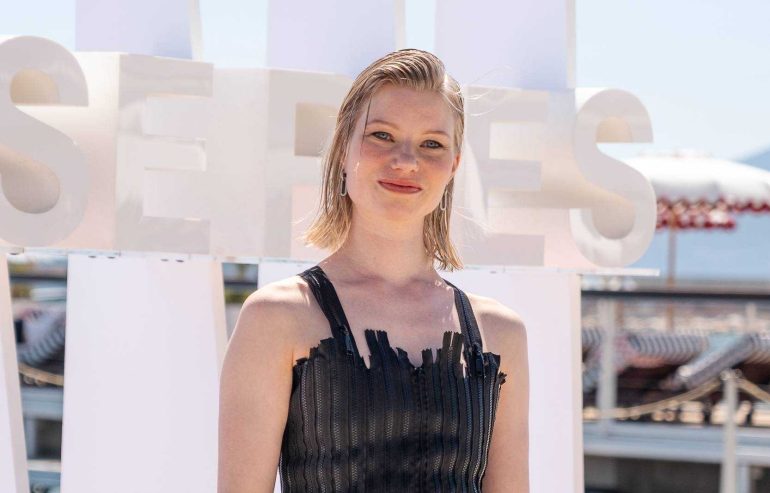
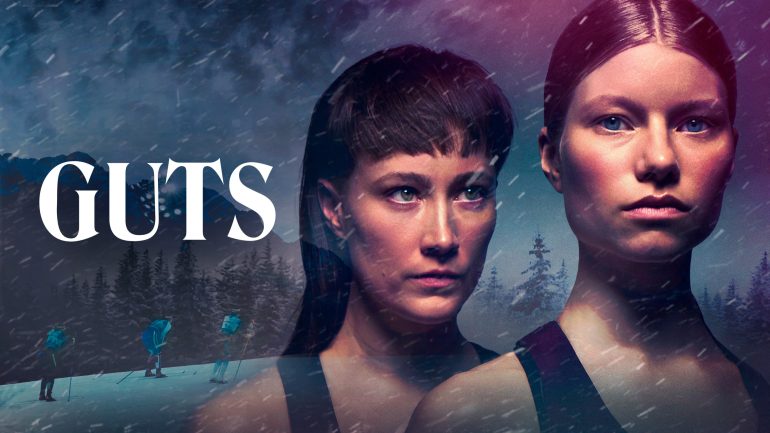
Recently awarded at Canneseries for her role in Guts (Kylmä kausi), Finnish actor Roosa Söderholm discusses Yle’s show, produced by Just Republic. This psychological thriller about a women’s national ski team focuses on two contenders – Anna and Maria – who are willing to sacrifice everything to claim the top spot. Including their sanity.
Söderholm, also known for They Have Escaped (He ovat paenneet) by J.P. Valkeapää and the series Maria Kallio, said she was “confused, grateful and happy” about her win. “It’s really wonderful to receive such recognition for my work, but what makes it special is that I hold the role of Anna very dear.”
Created by Jemina Jokisalo, Guts was written by Jokisalo, Daniela Hakulinen, Fanni Mikkonen and Tua Harno. It stars Sannah Nedergård, Reetta Ylä-Rautio, Edit Williams, Kreeta Salminen and Antti Virmavirta, and is sold by About Premium Content. Guts it top financed by Nordisk Film & Tv Fond.
I remember creator Jemina Jokisalo describing the show as “Black Swan on skis.” Was that something that attracted you too?
Yes! I was attracted to the dark tones and psychological mind games even in the first script versions, and it only got deeper over time. I find it very interesting that, even though Anna and Maria are top athletes competing in skiing, the real competition happens inside their minds.
I wonder how exhausting the process was this time. After all, you play athletes.
I feel quite privileged to have had the chance to learn a new sport so well – and get paid for it [laughter]. I enjoyed the physical challenge, and it was great to see my fitness improve during the process. We trained skiing for over two years before the shoot. At one point, I forgot that I’m an actor, not a professional skier. I can be quite hard on myself, and was disappointed when I couldn’t perform the hardest tricks in difficult conditions. Afterwards, I realised it was ridiculous – we had wonderful, very talented stunt doubles for those situations. After all, my job was to act, not to ski perfectly. However, I’m still proud that we did almost all the skiing scenes ourselves.
There was also quite a lot of running in the story, and I liked that a lot. When we were filming, I felt that I ran faster and better than when I ran alone outside the set. It was weird, almost as if Anna’s character had improved my technique.
Were you trying to find out more about real-life athletes? Or did you all agree that this universe would be a bit heightened?
I read some biographies of Finnish skiers, and I was amazed at how similar reality was to the story. I thought the fictional world would be more dramatic than the real skiing world, but I was wrong.
After reading the biography of [Finnish cross-country skier] Aino-Kaisa Saarinen, I realised that the huge desire to win that the skiers have in Guts is very real. When people play sports at such a high level, everything is amplified. It’s not just written into the story to create drama. I learned that skiers need to make every decision in their life for the good of skiing and competing, and that it can sometimes be a very hard and lonely path. You really need a huge amount of motivation to live that kind of life.
I love the fact that these are women behaving badly, having ambitions and putting their success first. What conversations did you have about these characters and the fact that women don’t have to be “the good guys” in this show?
I love that, too! I remember us talking a lot about how to find the balance between being too mean, too stupid or too tough. Luckily, we had rehearsals before filming started, which gave us a chance to try out different scenes, energies and tensions between the characters. For example, with Anna and Maria, we discussed what the right level of malice was, and what was too much or too little.
In the beginning, it’s clear to Anna that Maria always wins, and she can’t reach her level. The mind game starts when Anna realises that she has a realistic chance of competing with Maria. I think Anna’s problem has probably always been that she doesn’t perform well in competitions. She gets nervous, which affects her performance. But as she starts to challenge Maria, she slowly learns from her. This is how Maria makes Anna a better skier, but she also has the power to destroy Anna’s concentration. It’s an odd kind of two-way power play.
Your character can be difficult to read at times, which makes her so interesting. What did you like about her?
I love how passionate and determined Anna is about skiing. I loved portraying the turmoil that develops inside her head. It’s also great to play a contradictory person who puts everything on the line.
What are you looking for and expecting from TV shows these days?
As an actor, I would like to play complex, interesting and strong characters in well-written stories. I get interested in new things easily, so as soon as a great new idea is introduced, I’m already deep into it. As a viewer, I would like to see bold and brave choices in shows, as well as weird topics and powerful visions.