Written by: Per Laursen
29.04.26
Long-term brand-building for TV series remains uncharted territory in our region. NFTVF examines how strong series can become enduring IP, with Nordic crime leading the way.
In a fragmented media landscape, great TV content alone is no longer enough to stand out — let alone endure. Attention is fleeting, audiences are global, and the winners are no longer just those who create compelling stories, but also those who turn those stories into lasting brands.
In the Nordics, however, TV series are still mostly marketed as standalone titles, while international companies often develop IP universes and brands.
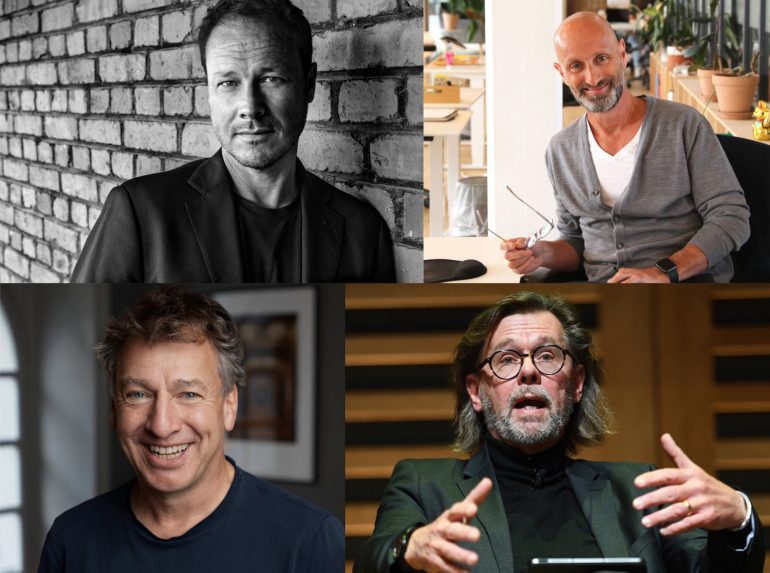
“Brand-building in essence expands the lifespan of a series beyond the commissioned episodes,” Johannes Jensen, Head of Scripted & Business, Banijay Entertainment Sweden, told NFTVF.
“You’re missing out if, as a producer, you neglect to develop and cultivate your programmes’ brand. Today, owning a brand and IP is crucial, and becomes even more vital over time as direct-to-consumer channels like YouTube offer opportunities to reach audiences and generate revenue globally,” Fredrik af Malmborg, an advisor, investor, and Eccho Rights founder, told NFTVF.
“A TV show evolves into a brand when it transcends being just a television programme, has cultural impact, enters pop culture, creates references, and develops an industry around it,” Michael Feder, Head of Have Kommunikation, who specialises in art, culture, and media, explained.
The full lifecycle of a TV series needs attention
In the Nordics, there are fewer straightforward film/TV PR agencies compared to Hollywood or London. Instead, the market usually consists of entertainment PR agencies, culture and film-specialised communications agencies, sales agents, and distributors with in-house publicity.
“Nordic producers have, unfortunately, shown moderate interest in international sales and brand development. They have entrusted their series to an international distributor abroad who paid an advance and then lost interest," Malmborg told NFTVF.
“Historically, producers in the Nordics have focused on financing, production, and meeting broadcaster and streamer expectations, rather than the full lifecycle of a series or shaping it into a franchise,” Jensen told NFTVF.
A TV show that grows into a brand has visuals, tone and voice, catchphrases – and expands its universe (spin-offs, sequels), while exploring merchandising and licensing. It may also create and engage fan communities.
Many TV series have evolved into great global brands, such as Game of Thrones, Stranger Things, and The Walking Dead. Or more recently, from Peaky Blinders to Black Mirror. Other shows demonstrate surprising potential as cultural brands; for example, The Simpsons, Friends, and The Office.
The road to brand-building: Nordic crime?
The next question is which shows are relevant for brand-building in the Nordics, and which methods and strategies are applicable.
“TV branding on an impromptu level is already happening in the Nordic countries. Our ‘Nordic Noir’ brand is very established and well-known,” Senior Commissioning Executive and Chair of Sweden’s Professional Board for Film & TV, Christian Wikander, said.
Banijay’s Johannes Jensen seconds that thought: “The Nordic region enjoys a global reputation for drama with a distinctive creative voice. In fact, most of the major successes, like The Killing (Forbrydelsen), became global brands organically, rather than through intentional, long-term planning,” Jensen told NFTVF.
“Crime” is an undisputed Nordic stronghold for brand-building. There is a substantial track record of crime narratives to draw on, beginning with The Killing, The Bridge (Broen), and Wallander, then moving to Bordertown (Sorjonen), Deadwind (Karppi), The Chestnut Man (Kastanjemanden), Wisting, and, more recently, The Åre Murders (Åremorden) and Detective Hole (Jo Nesbøs Harry Hole). Add more “blue-sky” titles such as The Sandhamn Murders (Morden i Sandhamn), The Sommerdahl Murders (Sommerdahl), Dicte, and Rebecka Martinsson.
Branding Nordic crime stories should be grounded in societal values and expressed through realism or a distinctive sense of place. With a creative marketing approach, these themes can resonate broadly, Jensen said, returning to crime as the obvious stepping stone.
“For example, with titles like Wallander launching this year, there is a genuine opportunity to make a deliberate, strategic approach to use marketing and communications in new ways to build a recognisable, enduring brand from the outset. That work should begin when the project is in development, by identifying what the series wants to say, why it matters now, and what kind of audience conversation it aims to spark.”
Advertising and SoMe
Promoting a crime TV series brand via trade media that reaches industry stakeholders isn’t a groundbreaking approach, but it's relevant, and ads aren't necessarily expensive.
“For example, with $5,000–10,000, you can make a significant impact,” Malmborg suggests.
“TV show branding is similar to nurturing a film franchise. In the Nordics, I suggest that TV shows commit to sustained effort, focusing their creative energy on engaging social media content. A show can build SoMe conversations with fans and other stakeholders – including influencers - over months and years,” Feder said.
What’s the first step?
From a PR professional’s perspective, Feder suggests Nordic producers and communications teams sit down and develop a long-term plan of activities once the initial publicity surrounding the premiere has subsided.
“You can't develop series branding solely from the producer's or production company's perspective. You need to include the connection to the commissioner. TV show branding doesn't happen without a streamer or channel," Wikander said, and Jensen agrees:
“The most important step is to start thinking about the brand strategy during development, not after. The creative team should ask: ‘Why does this story need to exist, what is it really trying to say, and what kind of conversation do we want it to create with audiences?’”
Jensen also suggests that producers take an active role in developing the identity of the drama they’ve created, and work closely with broadcasters or platforms to ensure that the messaging captures the essence of the series.
“Creators and producers should also remain closely involved in how the series is positioned and communicated; they understand the show’s tone, intent, and audience promise,” Jensen said, with a final note:
“Marketing works best when it grows directly from the creative vision, rather than being treated as something separate at the end.”
RELATED POST TO :
DISTRIBUTION
/
NORDIC INDUSTRY NEWS
/
NORDICS