Written by: Per Laursen
21.10.26
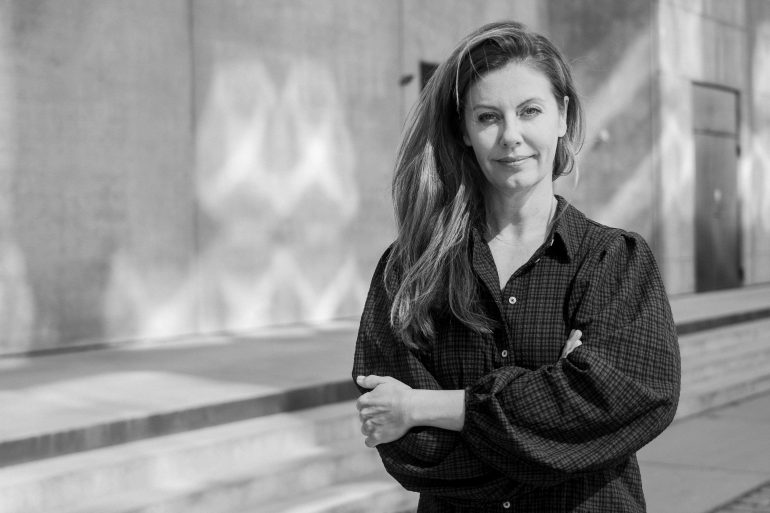
Aarhus brings its film and series festivals together under one brand, creating a stronger platform for both audiences and the Nordic production community, Festival Manager Theresa Valbæk shared new goals and ambitions with NFTVF.
Danish city Aarhus is bringing its film and series festivals together under one roof, creating a new platform aimed at both audiences and the audiovisual industry.
The Aarhus Series & Film Festival (1-8. Nov.) builds on the experience of THIS, Aarhus Series and Aarhus Film Days, which previously operated as separate events. The new format brings their activities together under one brand, with a stronger focus on public engagement and the development of the regional production industry.
“By combining all activities under one umbrella, we create a stronger brand and greater impact,” says Theresa Valbæk, Team Lead for Industry Development and new Festival Manager, in an interview with Nordisk Film & TV Fond.
The festival now runs over several days to establish a more visible presence in Aarhus and give audiences more opportunities to take part in screenings and events throughout the week.
“Aarhus is a young city, with 50,000 students and a large number of culturally engaged residents. We want to do more for them. At the same time, we have a fantastic pool of emerging talents and established professionals working in film and series, whom we want to involve more closely and support. That is why we have chosen to make many public events, and all industry events free of charge, so that more people can participate,” Valbæk says.
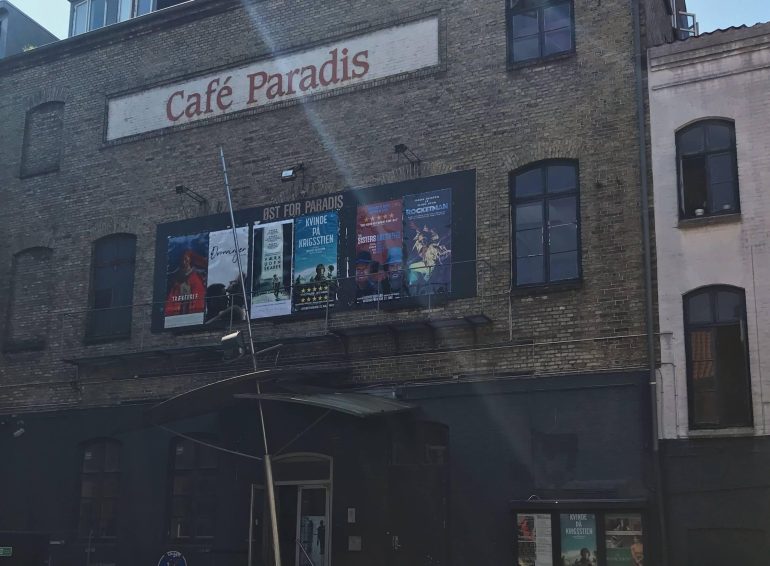
The festival is organised through close collaboration between Filmby Aarhus and the cinema Øst for Paradis, led by cinema director Line Bjørn Daugbjerg. Together, they aim to establish an increasingly significant festival for both audiences and the audiovisual industry in Aarhus.
The initiative reflects the cultural importance of film and series as reference points that capture contemporary life in Denmark and the wider Nordic region. Through screenings accompanied by talks and debates, the festival places screen stories in a broader context, bringing together experts, creators, and people with first-hand experience of the issues explored. The ambition is also to strengthen Aarhus as a vibrant centre for film and series culture and for the media and production industries in western Denmark.
“That’s why we invite filmmakers and series creators from across the Nordic region,” Valbæk says.
This year’s new format places greater emphasis on public events, introducing audiences beyond the film and television industries to the stories being created. It also seeks to strengthen the regional production community by expanding its national and international networks and raising awareness of western Denmark's film and series industry.
“We are already seeing a good turnout from the national industry. The festival remains highly relevant to people across the Nordic region who are interested in films and series. In 2025, our festival attracted just over 6,000 participants. We hope to welcome a few more this year,” Valbæk says.
Among the industry events, Valbæk highlights the Mini Market for Film and Television Producers and Buyers, designed to facilitate industry connections; Stories in Development from Western Denmark, which aims to raise the profile of regional productions; and DOGME 25: Filmmaking Under New Conditions, which opens up a broader discussion of the challenges facing the film industry.
Masterclasses with director Charlotte Brodthagen and filmmaker and series creator Anna Emma Haudal will offer further insight into the creative process behind film and series production.
The established Series Awards will remain part of the festival, celebrating the best Danish and Nordic series for both industry professionals and audiences.
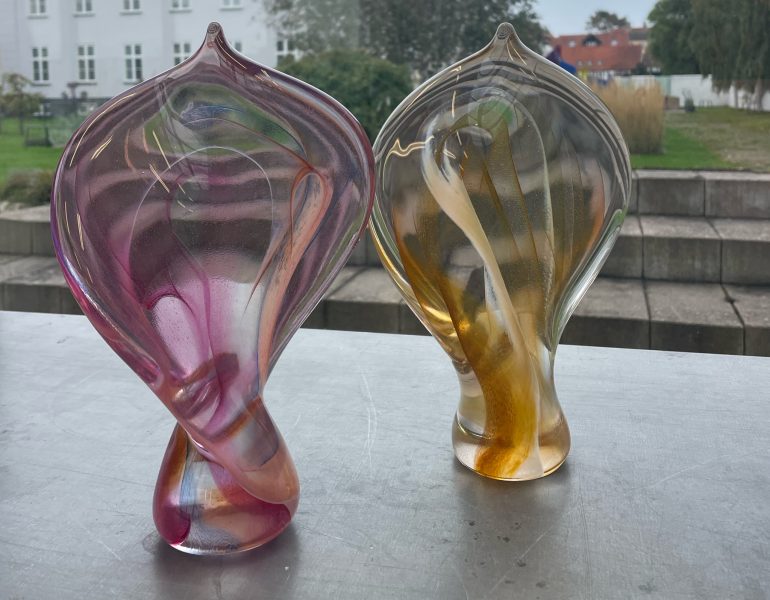
This year, the ceremony will take place on Thursday 5 November, for the first time at Aarhus City Hall, with a capacity of up to five hundred guests from across the Nordic region.
A new award, Best Score, will recognise music produced for Danish series. A dedicated music jury has been introduced alongside the existing jury for series, giving the awards two separate juries.
The Aarhus Series & Film Festival runs from 1 to 8 November, with public events taking place throughout the eight-day schedule. All series events are free, while film screenings carry a modest admission fee. Meanwhile, industry events run from 2 to 6 November. All industry events are free and open to the public.
Fact box: Festival organisation
Organised by Filmby Aarhus in collaboration with Øst for Paradis, the festival aims to strengthen Aarhus's position as a centre for film and series culture and as a meeting point for the audiovisual industry in western Denmark.
In 2026, responsibility for developing the new unified festival format was assigned to Filmby Aarhus's Industry Development team, led by Theresa Valbæk. Project manager Sofie Klindrup Sloth, who previously worked on THIS, was appointed to lead the development and production of the Aarhus Series & Film Festival, alongside production manager Ditte Brunø. A dedicated festival director is expected to be appointed at a later stage.
Aarhus Series & Film Festival is supported by NFTVF.
RELATED POST TO :
FESTIVALS
/
NORDIC INDUSTRY NEWS
/
DENMARK