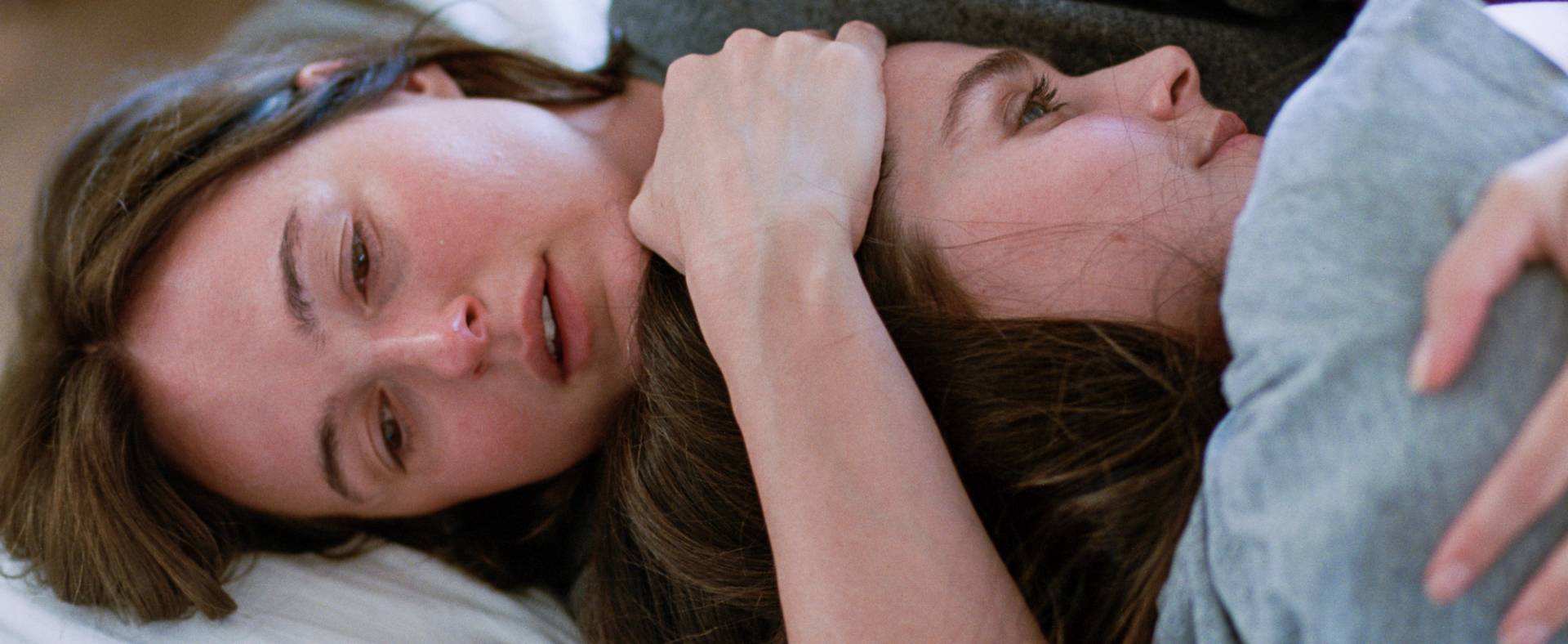
The Norwegian feature film Sentimental Value (Affeksjonsverdi) is the winner of the 2026 Nordic Council Film Prize. The winners are director and writer Joachim Trier, writer Eskil Vogt, and producers Maria Ekerhovd and Andrea Berentsen Ottmar.
The Nordic jury motivation, from October 2026:
This year’s winner of the Nordic Council Film Prize is a rich, mature, and complex film that explores broad themes, including family, history, the meaning of home, and the possibilities of art. The film draws inspiration from the European film tradition of the 1960s and 1970s without ever feeling old-fashioned. Director Joachim Trier has created a film characterised by a cinematic musicality, employing a range of narrative choices and visual ideas that ultimately come together to form a meaningful whole. Sentimental Value is a film with many narrative layers, in which every second feels charged with meaning, and which continues to grow with every watch. Through a strong screenplay, beautiful cinematography, and powerful performances from all of its central cast, the film succeeds both in casting a satirical eye on filmmaking and in offering a subtle portrayal of complex family relationships. Together with his long-standing collaborators, Trier has created his most mature work to date with Sentimental Value, developing a cinematic language which allows a story to be told that feels both personal and universal.
The national jury motivation, from August 2026:
With Sentimental Value director Joachim Trier has utilised an exciting culmination of motifs that he has explored throughout his career: an ambitious yet confined tale exploring family relationships, memories, and the wonders and pitfalls of creativity. Fittingly, he has done so by amplifying his filmmaking as a collective effort, developing and expanding relationships with his creative collaborators, among them his longtime screenwriter companion Eskil Vogt, and adding new ones both in front of and behind the camera.
While many of the excellent actors will be familiar faces, it has been a delight to get to know Inga Ibsdotter Lilleaas’s acting; an astonishing performance that helps elevate the film from a straightforward tale about a difficult father into something more complex and nuanced about sisterhood and negotiating the care of others alongside one’s own self-care.
Trier’s collaborations suggest a way of making Nordic cinema without losing the specificity and verisimilitude of his story being a Norwegian one: by credibly incorporating other nationalities into the fabric of film’s universe and by calling on key collaborators such as cinematographer Kasper Tuxen Andersen and editor Olivier Bugge Coutté. Together, they have found a cinematic way to tell a story that feels both intimate and personal, but also grand and universal.